

What's inside
What's inside
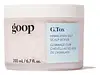 Key Ingredients
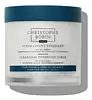
Benefits
Concerns
Ingredients Side-by-side
Sodium Chloride
MaskingWater
Skin ConditioningSodium Methyl Cocoyl Taurate
Cleansing
Sodium Cocoyl Isethionate
Cleansing
Coconut Acid
Cleansing

Moringa Oleifera Seed Oil
Emollient




Rosa Canina Fruit Oil
Emollient

Moringa Oleifera Seed Extract
Skin Conditioning
Canarium Luzonicum Gum Nonvolatiles
MaskingCitrus Aurantium Dulcis Peel Oil
Masking
Eucalyptus Globulus Leaf Oil
Perfuming


Mentha Piperita Oil
Masking
Mentha Viridis Leaf Oil
Astringent
Pelargonium Graveolens Flower Oil
Masking
Rosmarinus Officinalis Leaf Oil
Masking
Schinus Terebinthifolia Fruit Extract
MaskingTocopherol
Antioxidant





Glyceryl Caprylate
EmollientSodium Isostearate
CleansingGlycerin
Humectant
Caprylhydroxamic Acid
ChelatingMaltodextrin
Absorbent
Triethyl Citrate
Masking
Dimethylheptenal
Perfuming
Linalool
Perfuming
Geraniol
Perfuming
Citronellol
Perfuming
Limonene
Perfuming
Sodium Chloride, Water, Sodium Methyl Cocoyl Taurate, Sodium Cocoyl Isethionate, Coconut Acid, Moringa Oleifera Seed Oil, Rosa Canina Fruit Oil, Moringa Oleifera Seed Extract, Canarium Luzonicum Gum Nonvolatiles, Citrus Aurantium Dulcis Peel Oil, Eucalyptus Globulus Leaf Oil, Mentha Piperita Oil, Mentha Viridis Leaf Oil, Pelargonium Graveolens Flower Oil, Rosmarinus Officinalis Leaf Oil, Schinus Terebinthifolia Fruit Extract, Tocopherol, Glyceryl Caprylate, Sodium Isostearate, Glycerin, Caprylhydroxamic Acid, Maltodextrin, Triethyl Citrate, Dimethylheptenal, Linalool, Geraniol, Citronellol, Limonene
Sodium Chloride
MaskingSodium Laureth Sulfate
Cleansing
Water
Skin ConditioningButylene Glycol
Humectant
Cocamide Mea
Emulsifying
Glyceryl Stearate
Emollient
Parfum
Masking
Hydrated Silica
Abrasive
PEG-100 Stearate
Surfactant
Phenoxyethanol
Preservative
Saccharide Isomerate
Humectant
Bisabolol
Antioxidant
Menthyl Lactate
Masking
Benzyl Salicylate
Perfuming
Linalool
Perfuming
Limonene
Perfuming
Prunus Amygdalus Dulcis Oil
Skin Conditioning
Citronellol
Perfuming
Hexyl Cinnamal
Perfuming
Farnesol
Perfuming
Citric Acid
Buffering
Sodium Citrate
BufferingSodium Chloride, Sodium Laureth Sulfate, Water, Butylene Glycol, Cocamide Mea, Glyceryl Stearate, Parfum, Hydrated Silica, PEG-100 Stearate, Phenoxyethanol, Saccharide Isomerate, Bisabolol, Menthyl Lactate, Benzyl Salicylate, Linalool, Limonene, Prunus Amygdalus Dulcis Oil, Citronellol, Hexyl Cinnamal, Farnesol, Citric Acid, Sodium Citrate
Reviews
Ingredients Explained
These ingredients are found in both products.
Ingredients higher up in an ingredient list are typically present in a larger amount.
Citronellol is used to add fragrance/parfum to a product. It is often derived from plants such as roses. In fact, it can be found in many essential oils including geranium, lavender, neroli, and more. The scent of Citronellol is often described as "fresh, grassy, and citrus-like".
Since the Citronellol molecule is already unstable, Citronellol becomes irritating on the skin when exposed to air.
Citronellol is a modified terpene. Terpenes are unsaturated hydrocarbons found in plants. They make up the primary part of essential oils.
Citronellol is not able to be absorbed into deeper layers of the skin. It has low permeability,
Citronellol is also a natural insect repellent.
Learn more about CitronellolLimonene is the compound that gives citrus peel its smell.
In skincare, it shows up as a standalone fragrance ingredient or as a natural compound of citrus and other essential oils.
You'll typically see this ingredient used in very small amounts; anything above 0.001% in a leave-on product or 0.01% in a rinse-off has to be named on the label in the EU. The citrus oils that carry it sit around 0.5-1% in a finished formula.
Fresh limonene is a weak allergen; the real issue is that it slowly reacts with air and then breaks down from oxidation to create hydroperoxides (which are strong sensitizers). This is why suppliers are required to keep the peroxide value below 20 mmol.
Positive reactions in people being investigated for eczema vary:
It's worth skipping if you have a known fragrance allergy or a compromised barrier, but the risk is low for most people.
Older or long-opened products are also more likely to bother you than fresh ones due to oxidation.
Learn more about LimoneneLinalool is a small, naturally occurring scent molecule found in plants like lavender, coriander, bergamot, and more.
It is one of the two most-used fragrance ingredients in cosmetics and added purely for smell. Since it's not used for a skin benefit, there's no "effective dose". Concentration depends on the fragrance load of the product.
The EU requires it to be named on the label above 0.001% in leave-on and 0.01% in rinse-off products.
Fresh linalool is a weak sensitizer but air exposure turns some of it into hydroperoxides, which are strong sensitizers. Those oxidation products are the actual allergy concern.
Patch-test clinics see positive reactions to linalool hydroperoxides in about 4% to 12% of dermatitis patients depending on country and test concentration.
Resassuringly, one analytical study found hydroperoxide levels in real fragranced products to be orders of magnitude below what induced sensitization in animal studies with no evidence of oxidation building up during normal storage.
The practical takeaway is that linalool is fine for most people but worth avoiding if you have a confirmed fragrance contact allergy or a badly compromised barrier.
Products stored a long time after opening are also the high-risk scenario since that is when oxidation happens.
The scent of linalool is described as floral, spicy tropical, and citrus-like.
Learn more about LinaloolChances are, you eat sodium chloride every day. Sodium Chloride is also known as table salt. This ingredient has many purposes in skincare: thickener, emulsifier, and exfoliator.
You'll most likely find this ingredient in cleansers where it is used to create a gel-like texture. As an emulsifier, it also prevents ingredients from separating.
You might see people debate whether Sodium Chloride is comedogenic, but there actually haven't been any comedogenic tests done on it. Either way, the overall formulation of a product matters a lot more than any single ingredient.
You might see this ingredient used in scrubs as a primary exfoliating ingredient.
Learn more about Sodium ChlorideWater. It's the most common cosmetic ingredient of all. You'll usually see it at the top of ingredient lists, meaning that it makes up the largest part of the product.
So why is it so popular? Water most often acts as a solvent - this means that it helps dissolve other ingredients into the formulation.
You'll also recognize water as that liquid we all need to stay alive. If you see this, drink a glass of water. Remember to stay hydrated!
Learn more about Water

