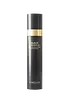
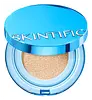
Gmeelan Black Truffle Zinc PCA Antioxidant Setting Spray Versus Skintific Perfect Stay Velvet Matte Cushion


What's inside
What's inside
 Key Ingredients
Benefits
Concerns
Ingredients Side-by-side
Water
Skin ConditioningMethylpropanediol
SolventGlycerin
Humectant


Polyester-5
Phenoxyethanol
Preservative
Dimethicone
Emollient
Hydroxyacetophenone
Antioxidant
PEG-40 Hydrogenated Castor Oil
Emulsifying


Tuber Melanosporum Extract
HumectantZinc PCA
Humectant




Cordyceps Sinensis Extract
Antioxidant
Centella Asiatica Extract
Cleansing


Camellia Japonica Flower Extract
EmollientLespedeza Capitata Leaf/Stem Extract
Skin ConditioningPolygonum Tinctorium Leaf/Stem Extract
Skin ConditioningScutellaria Baicalensis Root Extract
Astringent
Camellia Sinensis Leaf Extract
Antimicrobial
Collybia Mushroom Extract
Sodium Ascorbyl Phosphate
Antioxidant
Water, Methylpropanediol, Glycerin, Polyester-5, Phenoxyethanol, Dimethicone, Hydroxyacetophenone, PEG-40 Hydrogenated Castor Oil, Tuber Melanosporum Extract, Zinc PCA, Cordyceps Sinensis Extract, Centella Asiatica Extract, Camellia Japonica Flower Extract, Lespedeza Capitata Leaf/Stem Extract, Polygonum Tinctorium Leaf/Stem Extract, Scutellaria Baicalensis Root Extract, Camellia Sinensis Leaf Extract, Collybia Mushroom Extract, Sodium Ascorbyl Phosphate
Water
Skin ConditioningCyclopentasiloxane
Emollient
CI 77891
Cosmetic ColorantTrimethylsiloxysilicate
Emollient
Butylene Glycol
Humectant
Cyclohexasiloxane
Emollient
Polyglyceryl-3 Diisostearate
Emulsifying


Synthetic Fluorphlogopite
PEG-10 Dimethicone
Skin Conditioning
Isododecane
EmollientNiacinamide
Smoothing

Copper Tripeptide-1
Skin Conditioning
Disteardimonium Hectorite
StabilisingAstaxanthin
Skin Conditioning
Tocopherol
Antioxidant
PEG/PPG-18/18 Dimethicone
Emulsifying
Triethoxycaprylylsilane
CI 77492
Cosmetic ColorantPolymethylsilsesquioxane
Ergothioneine
Antioxidant
Betaine
Humectant
Propylene Carbonate
SolventCaprylyl Glycol
Emollient
CI 77491
Cosmetic ColorantGlutathione
CI 77499
Cosmetic ColorantEthylhexylglycerin
Skin ConditioningMagnesium Sulfate
Phenoxyethanol
Preservative
Tribehenin
Emollient
Aluminum Hydroxide
EmollientTricholoma Matsutake Extract
Skin ConditioningPentylene Glycol
Skin Conditioning
Water, Cyclopentasiloxane, CI 77891, Trimethylsiloxysilicate, Butylene Glycol, Cyclohexasiloxane, Polyglyceryl-3 Diisostearate, Synthetic Fluorphlogopite, PEG-10 Dimethicone, Isododecane, Niacinamide, Copper Tripeptide-1, Disteardimonium Hectorite, Astaxanthin, Tocopherol, PEG/PPG-18/18 Dimethicone, Triethoxycaprylylsilane, CI 77492, Polymethylsilsesquioxane, Ergothioneine, Betaine, Propylene Carbonate, Caprylyl Glycol, CI 77491, Glutathione, CI 77499, Ethylhexylglycerin, Magnesium Sulfate, Phenoxyethanol, Tribehenin, Aluminum Hydroxide, Tricholoma Matsutake Extract, Pentylene Glycol
Reviews
Ingredients Explained
These ingredients are found in both products.
Ingredients higher up in an ingredient list are typically present in a larger amount.
Phenoxyethanol is one of the most widely used preservatives in skincare (and for good reason!).
It has a large spectrum of antimicrobial activity and especially effective bacteria, yeast, and mold while only having a weak effect on your skin's natural microbiome.
On a cellular level, it disrupts the cell membranes of microbes by poking holes that make the cell leak. This shuts down the chemical reactions the microbe needs to make energy so it can no longer survive.
Another perk of this ingredient is that it stays functional across a wide pH range (3-10).
You'll often see it paired with boosters like Ethylhexylglycerin; one study showed that a 1:9 ratio of Ethylhexylglycerin to Phenoxyethanol damages bacterial membranes as effectively as doubling the Phenoxyethanol concentration on its own.
Typical use concentrations range from 0.3-1% depending on the formula, and this ingredient is capped at 1% int the EU.
Safety-wise, the fear mongering does not hold up to the evidence. The EU's Scientific Committee on Consumer Safety and FDA consider it safe as a preservative at up to 1%, including for children of all ages.
Adverse systemic effects only showed up in animal studies at exposures roughly 200x higher than what people get from cosmetics. And despite its very widespread use, this ingredient is a rare sensitizer and allergic reactions are uncommon.
Learn more about PhenoxyethanolWater. It's the most common cosmetic ingredient of all. You'll usually see it at the top of ingredient lists, meaning that it makes up the largest part of the product.
So why is it so popular? Water most often acts as a solvent - this means that it helps dissolve other ingredients into the formulation.
You'll also recognize water as that liquid we all need to stay alive. If you see this, drink a glass of water. Remember to stay hydrated!
Learn more about Water

