

What's inside
What's inside
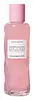 Key Ingredients
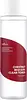
Benefits
Concerns
Ingredients Side-by-side
Opuntia Ficus-Indica Extract
Skin Conditioning
Citrullus Lanatus Fruit Extract
Skin Conditioning
Glycerin
Humectant

Hyaluronic Acid
Humectant

Gluconolactone
Skin Conditioning





Sodium Polyglutamate
HumectantBetaine Salicylate
Antimicrobial

Salix Alba Bark Extract
Astringent
Melaleuca Alternifolia Leaf Extract
Perfuming
Hibiscus Sabdariffa Flower Extract
Skin ConditioningLactobacillus/Watermelon Fruit Ferment Extract
Skin ConditioningCucumis Sativus Fruit Extract
Emollient
Saccharum Officinarum Extract
MoisturisingGlycyrrhiza Glabra Root Extract
Bleaching
Scutellaria Baicalensis Root Extract
Astringent
Paeonia Suffruticosa Root Extract
Skin ProtectingBrassica Oleracea Capitata Leaf Extract
Skin ConditioningIpomoea Batatas Root Extract
Skin ConditioningSorbitan Oleate
Emulsifying

Levulinic Acid
Perfuming
Sodium Levulinate
Skin ConditioningParfum
Masking

Opuntia Ficus-Indica Extract, Citrullus Lanatus Fruit Extract, Glycerin, Hyaluronic Acid, Gluconolactone, Sodium Polyglutamate, Betaine Salicylate, Salix Alba Bark Extract, Melaleuca Alternifolia Leaf Extract, Hibiscus Sabdariffa Flower Extract, Lactobacillus/Watermelon Fruit Ferment Extract, Cucumis Sativus Fruit Extract, Saccharum Officinarum Extract, Glycyrrhiza Glabra Root Extract, Scutellaria Baicalensis Root Extract, Paeonia Suffruticosa Root Extract, Brassica Oleracea Capitata Leaf Extract, Ipomoea Batatas Root Extract, Sorbitan Oleate, Levulinic Acid, Sodium Levulinate, Parfum
Water
Skin ConditioningButylene Glycol
Humectant
Glycerin
Humectant
Panthenol
Skin Conditioning
Sodium Hyaluronate
Humectant
Portulaca Oleracea Extract
Skin Conditioning
Xanthan Gum
EmulsifyingBetaine Salicylate 0.9%
Antimicrobial
Glycyrrhiza Glabra Root Extract
Bleaching
Trehalose
Humectant
Allantoin
Skin Conditioning
1,2-Hexanediol
Skin Conditioning
Hizikia Fusiforme Extract
Skin ConditioningBorago Officinalis Extract
Emollient
Salix Alba Bark Extract
Astringent
Salvia Sclarea Extract
AntiseborrhoeicEthylhexylglycerin
Skin ConditioningCentaurea Cyanus Flower Extract
Astringent
Aloe Barbadensis Leaf Juice Powder
Skin Conditioning
Soy Isoflavones
Skin ConditioningCastanea Crenata Shell Extract
Skin ConditioningChamomilla Recutita Flower Extract
Masking
Codium Fragile Extract
Skin ConditioningGelidium Cartilagineum Extract
Skin ProtectingHyacinthus Orientalis Extract
Skin ConditioningCentella Asiatica Extract
Cleansing
Lavandula Angustifolia Flower Extract
Cleansing

Disodium EDTA
Dipotassium Glycyrrhizate
Humectant
Sodium Hydroxide
BufferingSea Salt Extract
Skin Conditioning
Tromethamine
BufferingWater, Butylene Glycol, Glycerin, Panthenol, Sodium Hyaluronate, Portulaca Oleracea Extract, Xanthan Gum, Betaine Salicylate 0.9%, Glycyrrhiza Glabra Root Extract, Trehalose, Allantoin, 1,2-Hexanediol, Hizikia Fusiforme Extract, Borago Officinalis Extract, Salix Alba Bark Extract, Salvia Sclarea Extract, Ethylhexylglycerin, Centaurea Cyanus Flower Extract, Aloe Barbadensis Leaf Juice Powder, Soy Isoflavones, Castanea Crenata Shell Extract, Chamomilla Recutita Flower Extract, Codium Fragile Extract, Gelidium Cartilagineum Extract, Hyacinthus Orientalis Extract, Centella Asiatica Extract, Lavandula Angustifolia Flower Extract, Disodium EDTA, Dipotassium Glycyrrhizate, Sodium Hydroxide, Sea Salt Extract, Tromethamine
Reviews
Ingredients Explained
These ingredients are found in both products.
Ingredients higher up in an ingredient list are typically present in a larger amount.
Betaine Salicylate is considered a salicylic acid alternative.
Limited studies exist proving this ingredient to be a complete alternative to salicylic acid. Based on existing research, this ingredient does not penetrate as deeply and is not shown to be as effective.
However, this makes it a great choice for those with sensitive skin or need gentle BHA action.
This ingredient is created using betaine and salicylic acid.
This ingredient is oil-soluble and is most effective at a pH range of 3.8-4.2.
Learn more about Betaine SalicylateGlycerin (or glycerol) is a compound naturally found in your skin. It's a powerhouse humectant that pulls water into the stratum corneum.
Topically, glycerin does several things at once:
Your skin makes glycerin on its own (mostly from sebaceous oil breakdown) and shuttles it to your outermost layer of skin, or your epidermis, via aquaporin-3.
Aquaporin-3 is a transporter that is essential for normal skin hydration, elasticity, and repair. Interestingly, mice lacking in AQP3 have dry and less elastic skin that can be fully corrected with glycerin.
This ingredient is non-irritating, plays well with almost every ingredient, and works across all skin types. Typical use is anywhere between 3-10% but can go up to 79% in some leave-on products.
Just know very high concentrations (>40%) can feel tacky in low humidity.
Glycerin is the name for this ingredient in American English. British English uses Glycerol/Glycerine.
Learn more about GlycerinGlycyrrhiza Glabra Root Extract is an extract of the roots of Licorice. It has been found to have several benefits such as skin hydrating, conditioning, and soothing.
One component, glabridin, has extra potent antioxidant and soothing properties. It has also been found to block pigmentation from UVB rays in guinea pigs.
Licorice Root also contains a flavonoid. Flavonoids are a natural substance from in plants. Flavonoids also have antioxidant properties.
Another component, glycyrrhizin, has been found to have anti-inflammatory and antimicrobial benefits. This may make licorice root extract effective at treating acne. However, more research is needed to support this.
Liquiritin is one of the flavone compounds found in licorice. It has been found to help lighten skin by preventing tyrosinase from reacting with tyrosine. When the two react, protein is converted to melanin. Melanin is the substance in your body that gives your features pigmentation.
Learn more about Glycyrrhiza Glabra Root ExtractSalix Alba Bark Extract comes from the bark of the white willow tree. The official CosIng listing states this ingredient to have astringent, skin conditioning, soothing, and tonic properties.
Its star compound is salicin, a natural glucoside that is chemically related to salicylic acid. That's why you'll often see it marketed as a "natural BHA alternative" but that's a bit of a stretch.
Your skin can't convert salicin to salicylic acid because it needs specific enzymes that aren't present on the skin's surface. It won't behave like true salicylic acid, especially at the concentrations used in cosmetics.
However, this ingredient has its own perks. It contains flavonoids, polyphenols, and tannins that give it proven antioxidant and soothing properties.
An 8-week clinical study found a cream with 2% of this extract improved skin microcirculation, elasticity, and dark circles. This is most likely due to its role in increasing hyaluronic acid synthesis in fibroblasts and improved vascular integrity.
Another study found a topical serum with 0.5% salicin showed improvements in visible signs of aging, hyperpigmentation, and texture.
Just be careful if you have a known aspirin/salicylate allergy and be sure to consult with a medical professional about using this ingredient if you do.
Fun fact: Willow Bark extract has been used for thousands of years and ancient civilizations used white willow to help treat pain and fevers.
Learn more about Salix Alba Bark Extract
