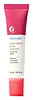
This lip moisturizer is formulated around Petrolatum and Ricinus Communis Seed Oil to hydrate lips.
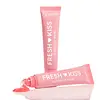
This barrier-repair lip moisturizer is formulated around Caprylic/Capric Triglyceride and Sodium Hyaluronate to strengthen the lip barrier and hydrate lips.

What's inside
What's inside
 Key Ingredients
Benefits
Concerns
Ingredients Side-by-side
Petrolatum
Emollient



Ricinus Communis Seed Oil
Masking


Beeswax
Emulsion Stabilising

Lanolin
Emollient
Aroma

Theobroma Grandiflorum Seed Butter
Skin Conditioning
Oryza Sativa Bran Extract
Skin Conditioning
Helianthus Annuus Extract
Emollient
Rosmarinus Officinalis Leaf Extract
AntimicrobialTocopheryl Acetate
Antioxidant


Tocopherol
Antioxidant



BHT
Antioxidant
Stevia Rebaudiana Leaf/Stem Extract
MaskingCI 77491
Cosmetic ColorantCI 15850
Cosmetic ColorantCI 45410
Cosmetic ColorantCI 73360
Cosmetic ColorantCI 42090
Cosmetic ColorantPetrolatum, Ricinus Communis Seed Oil, Beeswax, Lanolin, Aroma, Theobroma Grandiflorum Seed Butter, Oryza Sativa Bran Extract, Helianthus Annuus Extract, Rosmarinus Officinalis Leaf Extract, Tocopheryl Acetate, Tocopherol, BHT, Stevia Rebaudiana Leaf/Stem Extract, CI 77491, CI 15850, CI 45410, CI 73360, CI 42090
Bis-Behenyl/Isostearyl/Phytosteryl Dimer Dilinoleyl Dimer Dilinoleate
EmollientDiisostearyl Malate
EmollientPolyisobutene
Hydrogenated Polyisobutene
EmollientOctyldodecanol
Emollient
Caprylic/Capric Triglyceride
Masking
Polyglyceryl-2 Triisostearate
Emulsifying
Paraffin
Skin Conditioning
Silica Dimethyl Silylate
EmollientMicrocrystalline Wax
Emulsion StabilisingStearalkonium Hectorite
Gel FormingAroma
Propylene Carbonate
SolventTocopheryl Acetate
Antioxidant
Isohexadecane
EmollientAspartame
Pentaerythrityl Tetra-Di-T-Butyl Hydroxyhydrocinnamate
Antioxidant
Tocopherol
Antioxidant
Ethylene/Propylene/Styrene Copolymer
Butylene/Ethylene/Styrene Copolymer
Phenoxyethanol
Preservative
Sodium Hyaluronate
Humectant
Xanthan Gum
EmulsifyingAluminum Hydroxide
EmollientTripeptide-1
Skin Conditioning
CI 77891
Cosmetic ColorantCI 19140
Cosmetic ColorantCI 15850
Cosmetic ColorantIron Oxides
Bis-Behenyl/Isostearyl/Phytosteryl Dimer Dilinoleyl Dimer Dilinoleate, Diisostearyl Malate, Polyisobutene, Hydrogenated Polyisobutene, Octyldodecanol, Caprylic/Capric Triglyceride, Polyglyceryl-2 Triisostearate, Paraffin, Silica Dimethyl Silylate, Microcrystalline Wax, Stearalkonium Hectorite, Aroma, Propylene Carbonate, Tocopheryl Acetate, Isohexadecane, Aspartame, Pentaerythrityl Tetra-Di-T-Butyl Hydroxyhydrocinnamate, Tocopherol, Ethylene/Propylene/Styrene Copolymer, Butylene/Ethylene/Styrene Copolymer, Phenoxyethanol, Sodium Hyaluronate, Xanthan Gum, Aluminum Hydroxide, Tripeptide-1, CI 77891, CI 19140, CI 15850, Iron Oxides
Reviews
Ingredients Explained
These ingredients are found in both products.
Ingredients higher up in an ingredient list are typically present in a larger amount.
Aroma refers to an ingredient, or mixture of ingredients, that impart or mask a flavor.
The name is slightly confusing. This is because INCI associates aroma with flavor instead of smell.
Here is the official definition from the The International Cosmetic Ingredient Dictionary and Handbook:
“Aroma is a term for ingredient labeling used to identify that a product contains a material or combination of materials normally added to a cosmetic to produce or to mask a particular flavor.”
INCI shows the only purpose of aroma to be "flavouring".
However, due to regulation differences, some companies may use aroma in place of parfum.
In Canada, this ingredient only has to be listed in concentrations above 1%.
Learn more about AromaCi 15850 is the pigment color red. It is an azo dye and created synthetically.
Azo dyes need to be thoroughly purified before use. This allows them to be more stable and longer-lasting.
This ingredient is common in foundations, lipsticks, and blushes. This color is described as brown/orangey red.
It has many secondary names such as Red 6 and Red 7. According to a manufacturer, Red 6 usually contains aluminum.
Learn more about CI 15850Tocopherol is a fat-soluble antioxidant known as Vitamin E.
You'll find this ingredient in the vast majority of skincare (for good reason). It works to neutralize free radicals, or unstable molecules generated by UV exposure, pollution, and other environmental stressors, before they can cause oxidative damage to your skin cells.
Topically applied tocopherol has been shown to protect against UV damage by ramping up the skin's own natural defense enzymes.
It also acts as a skin conditioning agent; some studies show that regular topical use can improve the skin's water-binding capacity over 2-4 weeks.
This ingredient is especially loved for being a team player. When combined with Vitamin C, the photoprotective effect of both ingredients roughly doubles and the combo also helps reduce UV-induced DNA damage.
This ingredient has some brightening potential but it's more of a prevention ingredient than spot-fader. Cell studies show it can slow down melanin production but it's worth noting that it's not the most powerful brightener out there.
In formulations, it also serves as a stabilizer that helps protect other oxidation-prone ingredients from degrading.
Concentrations usually range from 0.1-1% in most leave-on products.
Learn more about TocopherolTocopheryl Acetate is a stable, shelf-friendly form of vitamin E.
Formulators love it because plain vitamin E oxidizes quickly once it hits air. This acetate version stays stable and resists going off, helping to extend a product's shelf life.
It's actually inactive on its own and works like a slow-release "storage" form; the enzymes in your skin called esterases gradually convert it into active vitamin E over time.
One in vivo study showed 5% of the acetate in the living layer of the epidermis converted to vitamin E after 5 days of application. This study also found the skin gained protection against UV damage even though the conversion was slow and small.
Once converted, vitamin E acts as a skin's main fat-soluble antioxidant that fights free radicals to protect skin from damage.
Topical vitamin E generally boosts the skin's photoprotection, and it reduced UV-damage in animal models.
This ingredient has some brightening potential but it's more of a prevention ingredient than spot-fader. Cell studies show it can slow down melanin production but it's worth noting that it's not the most powerful brightener out there.
Overall, it has a pretty solid safety profile and has been found to be non-irritating and non-comedogenic. Allergic reactions may happen but stay rare due to how widely the ingredient gets used.
The concentration will vary depending on the formula; industry data shows 0.1% in baby lotions, 3% in lipsticks, and 5% in foot powders. You can also find this ingredient at 100% in a pure vitamin E oil.
Most leave-on skincare keeps it at the lower end, often between 0.5-1%.
Learn more about Tocopheryl Acetate

