This barrier-repair lip moisturizer is formulated around Caprylic/Capric Triglyceride and Sodium Hyaluronate to strengthen the lip barrier and hydrate lips.
This barrier-repair lip moisturizer is formulated around Petrolatum and Butyrospermum Parkii Butter to strengthen the lip barrier and hydrate lips.

What's inside
What's inside
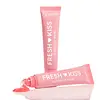 Key Ingredients
No key ingredients
Benefits
Concerns
Ingredients Side-by-side
Bis-Behenyl/Isostearyl/Phytosteryl Dimer Dilinoleyl Dimer Dilinoleate
EmollientDiisostearyl Malate
EmollientPolyisobutene
Hydrogenated Polyisobutene
EmollientOctyldodecanol
Emollient
Caprylic/Capric Triglyceride
Masking


Polyglyceryl-2 Triisostearate
Emulsifying

Paraffin
Skin Conditioning
Silica Dimethyl Silylate
EmollientMicrocrystalline Wax
Emulsion StabilisingStearalkonium Hectorite
Gel FormingAroma


Propylene Carbonate
SolventTocopheryl Acetate
Antioxidant


Isohexadecane
EmollientAspartame
Pentaerythrityl Tetra-Di-T-Butyl Hydroxyhydrocinnamate
Antioxidant
Tocopherol
Antioxidant


Ethylene/Propylene/Styrene Copolymer
Butylene/Ethylene/Styrene Copolymer
Phenoxyethanol
Preservative
Sodium Hyaluronate
Humectant
Xanthan Gum
EmulsifyingAluminum Hydroxide
EmollientTripeptide-1
Skin Conditioning
CI 77891
Cosmetic ColorantCI 19140
Cosmetic ColorantCI 15850
Cosmetic ColorantIron Oxides
Bis-Behenyl/Isostearyl/Phytosteryl Dimer Dilinoleyl Dimer Dilinoleate, Diisostearyl Malate, Polyisobutene, Hydrogenated Polyisobutene, Octyldodecanol, Caprylic/Capric Triglyceride, Polyglyceryl-2 Triisostearate, Paraffin, Silica Dimethyl Silylate, Microcrystalline Wax, Stearalkonium Hectorite, Aroma, Propylene Carbonate, Tocopheryl Acetate, Isohexadecane, Aspartame, Pentaerythrityl Tetra-Di-T-Butyl Hydroxyhydrocinnamate, Tocopherol, Ethylene/Propylene/Styrene Copolymer, Butylene/Ethylene/Styrene Copolymer, Phenoxyethanol, Sodium Hyaluronate, Xanthan Gum, Aluminum Hydroxide, Tripeptide-1, CI 77891, CI 19140, CI 15850, Iron Oxides
Hydrogenated Polyisobutene
EmollientPetrolatum
Emollient

Butyrospermum Parkii Butter
Skin Conditioning

Bis-Diglyceryl Polyacyladipate-2
Emollient
Bis-Diglyceryl Polyacyladipate-1
Emollient
Paraffinum Liquidum
Emollient
Synthetic Beeswax
Emulsion Stabilising
Microcrystalline Wax
Emulsion StabilisingLanolin Oil
Emollient
Diisostearyl Malate
EmollientEthylene/Propylene/Styrene Copolymer
Euphorbia Cerifera Cera
Astringent
Paraffin
Skin Conditioning
Caprylic/Capric Triglyceride
Masking
Silica Silylate
Emollient
Butylene/Ethylene/Styrene Copolymer
Vanilla Planifolia Fruit Extract
Skin Conditioning
Sodium Saccharin
MaskingHydrogenated Polyisobutene, Petrolatum, Butyrospermum Parkii Butter, Bis-Diglyceryl Polyacyladipate-2, Bis-Diglyceryl Polyacyladipate-1, Paraffinum Liquidum, Synthetic Beeswax, Microcrystalline Wax, Lanolin Oil, Diisostearyl Malate, Ethylene/Propylene/Styrene Copolymer, Euphorbia Cerifera Cera, Paraffin, Caprylic/Capric Triglyceride, Silica Silylate, Butylene/Ethylene/Styrene Copolymer, Vanilla Planifolia Fruit Extract, Sodium Saccharin
Reviews
Ingredients Explained
These ingredients are found in both products.
Ingredients higher up in an ingredient list are typically present in a larger amount.
This ingredient is a high-molecular weight synthetic polymer. It is used to modify the viscosity of a formula, improve slip, and create a more "cushiony" texture.
Due to its large molecular size, this ingredient is not absorbed into the skin.
Caprylic/Capric Triglyceride (aka MCT Oil) is a lightweight emollient, solvent, and texture enhancer. It is considered a skin-softener by helping to prevent moisture loss.
Though it behaves like an oil, it is not technically one due to its chemical composition. One perk of this ingredient is that it is very stable, resistant to oxidation, and unlikely to go rancid.
In practice, that translates to a long shelf life and a consistently elegant skin feel.
While there is an assumption Caprylic Triglyceride can clog pores due to it being derived from coconut oil, there is no research supporting this. Just patch test if you have concerns.
Fractionated coconut oil and MCT Oil are both listed as Caprylic/Capric Triglyceride according to INCI. This is because INCI names are based on the ingredient’s final chemical composition and not its marketing name or source.
This ingredient is treated as the gold standard fungal acne safe oil. Even though it is coconut derived, the problematic lauric acid is stripped out.
This leaves just caprylic (C8) and capric (C10) acid. These chain lengths actually trend antifungal; a 2020 study found caprylic acid was enough to disrupt Malassezia furfur cell membrane, with a caprylic acid derivative damaging membrane structures at concentrations as low as 0.2%.
Learn more about Caprylic/Capric TriglycerideDiisostearyl Malate is an emollient and most often used in lip products. It comes from isostearyl alcohol, a fatty acid, and malic acid, an AHA.
As an emollient, Diisostearyl Malate helps create a thin film on your skin to trap moisture in. This helps keep your skin soft and smooth.
This is a synthetic polymer used to thicken formulas, improve texture, and enhance spreadability.
Due to its large molecule size, this ingredient does not penetrate the skin and is considered well-tolerated.
Hydrogenated Polyisobutene is a synthetic polymer. Polymers are compounds with high molecular weight. Hydrogenated Polyisobutene is an emollient and texture enhancer.
In one study, Hydrogenated Polyisobutene showed better skin hydration levels than Caprylic/Capric Triglyceride. As an emollient, it helps keep your skin soft and hydrated by trapping moisture in.
Hydrogenated Polyisobutene is often used as a mineral oil replacement.
Learn more about Hydrogenated PolyisobuteneMicrocrystalline Wax is derived from petroleum through a de-oiling process, then highly refined and purified before use in cosmetics.
In skincare formulations, it is used to improve texture and create a smooth, even consistency. It also helps stabilize products by preventing ingredients from separating.
Paraffin is a solid wax that pulls its weight as an emollient, occlusive, and consistency-booster.
It softens skin and lays down a protective film to slow water loss and gives products a stable body and structure.
The cosmetic grade stuff is highly refined with a solid safety record. The CIR Expert Panel has repeatedly reaffirmed this ingredient to be safe in current practices of use and concentration.
The worry about carcinogenic compounds only applies to industrial grades, not the purified version used in skincare.
Despite its reputation, the highly reformed form is non-comedogenic and doesn't penetrate deeply into skin.
The good news for fungal-acne prone folks: the Malassezia yeast feeds on fatty acids and lipids and paraffin doesn't contain any of these (so there's nothing for the yeast to metabolize). This ingredient is considered fungal acne safe.
Learn more about Paraffin

