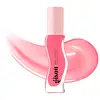
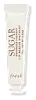
This barrier-repair lip moisturizer is formulated around Ricinus Communis Seed Oil and Simmondsia Chinensis Seed Oil to strengthen the lip barrier and hydrate lips.


What's inside
What's inside
 Key Ingredients
Benefits
Concerns
Ingredients Side-by-side
Polyglyceryl-2 Isostearate/Dimer Dilinoleate Copolymer
EmollientDilinoleic Acid/Propanediol Copolymer
EmollientVitis Vinifera Seed Oil
Emollient




Carthamus Tinctorius Seed Oil
Masking
Honey
Humectant
Simmondsia Chinensis Seed Oil
Emollient

Limnanthes Alba Seed Oil
Skin Conditioning
Calendula Officinalis Flower Extract
Masking

Oenothera Biennis Oil
Emollient

Rosa Canina Fruit Oil
Emollient
Hydrogenated Castor Oil/Sebacic Acid Copolymer
Emollient
Propolis Wax
EmollientHelianthus Annuus Seed Oil
Emollient
Tocopheryl Acetate
Antioxidant


Tocopherol
Antioxidant

Sodium Hyaluronate
Humectant
Citrus Aurantium Bergamia Fruit Extract
Skin ConditioningDaucus Carota Sativa Root Extract
Skin Conditioning
Mauritia Flexuosa Fruit Oil
Skin Conditioning
Vaccinium Myrtillus Seed Oil
Skin Conditioning
Glucomannan
Skin ConditioningEthylhexyl Palmitate
Emollient
Aroma

Calcium Sodium Borosilicate
Trihydroxystearin
Skin Conditioning
Tin Oxide
Abrasive
Citral
Perfuming

Linalool
Perfuming
Limonene
Perfuming
CI 77891
Cosmetic ColorantCI 15850
Cosmetic ColorantPolyglyceryl-2 Isostearate/Dimer Dilinoleate Copolymer, Dilinoleic Acid/Propanediol Copolymer, Vitis Vinifera Seed Oil, Carthamus Tinctorius Seed Oil, Honey, Simmondsia Chinensis Seed Oil, Limnanthes Alba Seed Oil, Calendula Officinalis Flower Extract, Oenothera Biennis Oil, Rosa Canina Fruit Oil, Hydrogenated Castor Oil/Sebacic Acid Copolymer, Propolis Wax, Helianthus Annuus Seed Oil, Tocopheryl Acetate, Tocopherol, Sodium Hyaluronate, Citrus Aurantium Bergamia Fruit Extract, Daucus Carota Sativa Root Extract, Mauritia Flexuosa Fruit Oil, Vaccinium Myrtillus Seed Oil, Glucomannan, Ethylhexyl Palmitate, Aroma, Calcium Sodium Borosilicate, Trihydroxystearin, Tin Oxide, Citral, Linalool, Limonene, CI 77891, CI 15850
Ricinus Communis Seed Oil
Masking
Simmondsia Chinensis Seed Oil
Emollient
Bis-Diglyceryl Polyacyladipate-2
Emollient
Hydroxystearic Acid
Cleansing
Vitis Vinifera Seed Oil
Emollient
Stearic Acid
Cleansing
Glyceryl Behenate/Eicosadioate
Emollient
Stearalkonium Hectorite
Gel FormingRibes Nigrum Seed Oil
Emollient
Carthamus Tinctorius Seed Oil
Masking
Tocopherol
Antioxidant
Triethyl Citrate
Masking
Parfum
Masking
Pentaerythrityl Tetra-Di-T-Butyl Hydroxyhydrocinnamate
Antioxidant
Propylene Carbonate
SolventCeramide NP
Skin Conditioning
Squalane
Emollient
Sucrose Tetrastearate Triacetate
Emollient
Candida Bombicola/Glucose/Methyl Rapeseedate Ferment
AntimicrobialAscorbyl Palmitate
Antioxidant
Linalool
Perfuming
Limonene
Perfuming
Geraniol
Perfuming
Ricinus Communis Seed Oil, Simmondsia Chinensis Seed Oil, Bis-Diglyceryl Polyacyladipate-2, Hydroxystearic Acid, Vitis Vinifera Seed Oil, Stearic Acid, Glyceryl Behenate/Eicosadioate, Stearalkonium Hectorite, Ribes Nigrum Seed Oil, Carthamus Tinctorius Seed Oil, Tocopherol, Triethyl Citrate, Parfum, Pentaerythrityl Tetra-Di-T-Butyl Hydroxyhydrocinnamate, Propylene Carbonate, Ceramide NP, Squalane, Sucrose Tetrastearate Triacetate, Candida Bombicola/Glucose/Methyl Rapeseedate Ferment, Ascorbyl Palmitate, Linalool, Limonene, Geraniol
Reviews
Alternatives
Ingredients Explained
These ingredients are found in both products.
Ingredients higher up in an ingredient list are typically present in a larger amount.
Carthamus Tinctorius Seed Oil comes from the seeds of the safflower plant. It is a skin conditioning agent that helps soften skin and keep it hydrated.
This seed oil has an unusual fatty acid profile: it is one of the highest linoleic acid plant oils out there (~55-77%). It also has low amounts of oleic acid, and this high-linoleic/low-oleic ratio gets people excited.
Linoleic acid helps maintain skin barrier integrity and is a building block for the ceramides in your stratum corneum. Notably, people with acne tend to have lower linoleic acid in their skin lipids as well (and this gets worse as acne gets more severe).
Overall, it's a lightweight, fast-absorbing oil that has a long safety track record. Lab testing has found it to be non-irritating for skin or eyes.
The Malassezia yeast can metabolize the fatty acids in this oil to grow; therefore this ingredient may not be fungal acne safe.
Learn more about Carthamus Tinctorius Seed OilLimonene is the compound that gives citrus peel its smell.
In skincare, it shows up as a standalone fragrance ingredient or as a natural compound of citrus and other essential oils.
You'll typically see this ingredient used in very small amounts; anything above 0.001% in a leave-on product or 0.01% in a rinse-off has to be named on the label in the EU. The citrus oils that carry it sit around 0.5-1% in a finished formula.
Fresh limonene is a weak allergen; the real issue is that it slowly reacts with air and then breaks down from oxidation to create hydroperoxides (which are strong sensitizers). This is why suppliers are required to keep the peroxide value below 20 mmol.
Positive reactions in people being investigated for eczema vary:
It's worth skipping if you have a known fragrance allergy or a compromised barrier, but the risk is low for most people.
Older or long-opened products are also more likely to bother you than fresh ones due to oxidation.
Learn more about LimoneneLinalool is a small, naturally occurring scent molecule found in plants like lavender, coriander, bergamot, and more.
It is one of the two most-used fragrance ingredients in cosmetics and added purely for smell. Since it's not used for a skin benefit, there's no "effective dose". Concentration depends on the fragrance load of the product.
The EU requires it to be named on the label above 0.001% in leave-on and 0.01% in rinse-off products.
Fresh linalool is a weak sensitizer but air exposure turns some of it into hydroperoxides, which are strong sensitizers. Those oxidation products are the actual allergy concern.
Patch-test clinics see positive reactions to linalool hydroperoxides in about 4% to 12% of dermatitis patients depending on country and test concentration.
Resassuringly, one analytical study found hydroperoxide levels in real fragranced products to be orders of magnitude below what induced sensitization in animal studies with no evidence of oxidation building up during normal storage.
The practical takeaway is that linalool is fine for most people but worth avoiding if you have a confirmed fragrance contact allergy or a badly compromised barrier.
Products stored a long time after opening are also the high-risk scenario since that is when oxidation happens.
The scent of linalool is described as floral, spicy tropical, and citrus-like.
Learn more about LinaloolJojoba oil is one of the most well-studied plant-derived ingredients in cosmetics. It is an emollient with a special structure.
Because it is made up of 97-98% wax esters, it closely mirrors the linear monoesters found in human sebum. This makes it skin compatible, non-greasy, and lightweight.
Unlike other plant oils, jojoba wax doesn't easily penetrate skin. It mostly works in the uppermost layers as an emollient. This just means it forms a light barrier on the skin to help retain moisture.
Formulations with jojoba esters up to 90% reduced transepidermal water loss (TEWL) and increased barrier recovery by 81% (outperforming bisabolol at 47%).
Besides barrier support, the science also suggests jojoba to have anti-inflammatory effects and potential applications for skin infections, aging, and wound healing.
Fun fact: Indigenous cultures have used jojoba as a moisturizer and to help treat burns for centuries.
Fungal acne: The Malassezia yeast is known to metabolize fatty acids in the C11-24 range and jojoba's dominant fatty acid components fall into this range. This ingredient may not be fungal acne safe.
Learn more about Simmondsia Chinensis Seed OilTocopherol is a fat-soluble antioxidant known as Vitamin E.
You'll find this ingredient in the vast majority of skincare (for good reason). It works to neutralize free radicals, or unstable molecules generated by UV exposure, pollution, and other environmental stressors, before they can cause oxidative damage to your skin cells.
Topically applied tocopherol has been shown to protect against UV damage by ramping up the skin's own natural defense enzymes.
It also acts as a skin conditioning agent; some studies show that regular topical use can improve the skin's water-binding capacity over 2-4 weeks.
This ingredient is especially loved for being a team player. When combined with Vitamin C, the photoprotective effect of both ingredients roughly doubles and the combo also helps reduce UV-induced DNA damage.
This ingredient has some brightening potential but it's more of a prevention ingredient than spot-fader. Cell studies show it can slow down melanin production but it's worth noting that it's not the most powerful brightener out there.
In formulations, it also serves as a stabilizer that helps protect other oxidation-prone ingredients from degrading.
Concentrations usually range from 0.1-1% in most leave-on products.
Learn more about TocopherolVitis Vinifera Seed Oil comes from the grape vine. Grape seeds are a byproduct of creating grape juice or wine.
The components of grape seeds have many skin benefits. Research has found it to be antimicrobial and anti-inflammatory. It also contains many potent antioxidants such as Vitamin E , Vitamin C, proanthocyanidins, polyphenols, flavonoids, and anthocyanins. Proanthocyanidin has been shown to help even out skin tone.
Antioxidants help fight free-radical molecules. Free-radical molecules are capable of damaging our cells and other genetic material. Antioxidants help stabilize free-radicals by donating extra electrons. Grape seed extract may help reduce the signs of aging.
The antimicrobial properties of grape seed may help treat acne. However, more research is needed to support this claim.
Grape seed has also been found to help absorb UV rays. Grape seed extract should not replace your sunscreen.
The fatty acids of grape seed oil give it emollient properties. Emollients help soothe and soften your skin by creating a film. This film traps moisture within, keeping your skin hydrated.
Learn more about Vitis Vinifera Seed Oil

