

What's inside
What's inside
 Key Ingredients
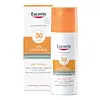
Benefits
Concerns
Ingredients Side-by-side
Isododecane
EmollientOctocrylene
UV Absorber


Dimethicone
Emollient
Ethylhexyl Methoxycinnamate
UV Absorber
Diethylamino Hydroxybenzoyl Hexyl Benzoate
UV Filter
Dibutyl Adipate
EmollientEthylhexyl Salicylate
UV Absorber
Bisabolol
Masking



Helianthus Annuus Seed Oil
Emollient


Rosmarinus Officinalis Leaf Extract
AntimicrobialDisodium Uridine Phosphate
Skin ConditioningEthyl Ferulate
Antioxidant
Dimethicone/Vinyl Dimethicone Crosspolymer
Skin Conditioning
Caprylyl Glycol
Emollient
Glass Beads
Abrasive
Polyglyceryl-5 Trioleate
Emollient
Silica
Abrasive
Isododecane, Octocrylene, Dimethicone, Ethylhexyl Methoxycinnamate, Diethylamino Hydroxybenzoyl Hexyl Benzoate, Dibutyl Adipate, Ethylhexyl Salicylate, Bisabolol, Helianthus Annuus Seed Oil, Rosmarinus Officinalis Leaf Extract, Disodium Uridine Phosphate, Ethyl Ferulate, Dimethicone/Vinyl Dimethicone Crosspolymer, Caprylyl Glycol, Glass Beads, Polyglyceryl-5 Trioleate, Silica
Water
Skin ConditioningAlcohol Denat.
Antimicrobial


Butylene Glycol Dicaprylate/Dicaprate
EmollientC12-15 Alkyl Benzoate
AntimicrobialButyl Methoxydibenzoylmethane
UV Absorber
Dibutyl Adipate
EmollientBis-Ethylhexyloxyphenol Methoxyphenyl Triazine
Skin Conditioning
Silica
Abrasive
Ethylhexyl Triazone
UV Absorber
Phenylbenzimidazole Sulfonic Acid
UV Absorber
Diethylamino Hydroxybenzoyl Hexyl Benzoate
UV Filter
Cetearyl Alcohol
Emollient
Behenyl Alcohol
Emollient
Silica Dimethyl Silylate
EmollientCopernicia Cerifera Cera
Emollient
Glycyrrhetinic Acid
Skin ConditioningGlycyrrhiza Inflata Root Extract
Skin ConditioningCarnitine
CleansingGlycerin
Humectant

Dimethicone
Emollient
Xanthan Gum
EmulsifyingCarrageenan
Sodium Chloride
Masking
Sodium Stearoyl Glutamate
CleansingHydroxypropyl Methylcellulose
Emulsion StabilisingSodium Hydroxide
BufferingTrisodium EDTA
Phenoxyethanol
Preservative
Decylene Glycol
Skin ConditioningEthylhexylglycerin
Skin ConditioningHydroxyacetophenone
Antioxidant
Water, Alcohol Denat., Butylene Glycol Dicaprylate/Dicaprate, C12-15 Alkyl Benzoate, Butyl Methoxydibenzoylmethane, Dibutyl Adipate, Bis-Ethylhexyloxyphenol Methoxyphenyl Triazine, Silica, Ethylhexyl Triazone, Phenylbenzimidazole Sulfonic Acid, Diethylamino Hydroxybenzoyl Hexyl Benzoate, Cetearyl Alcohol, Behenyl Alcohol, Silica Dimethyl Silylate, Copernicia Cerifera Cera, Glycyrrhetinic Acid, Glycyrrhiza Inflata Root Extract, Carnitine, Glycerin, Dimethicone, Xanthan Gum, Carrageenan, Sodium Chloride, Sodium Stearoyl Glutamate, Hydroxypropyl Methylcellulose, Sodium Hydroxide, Trisodium EDTA, Phenoxyethanol, Decylene Glycol, Ethylhexylglycerin, Hydroxyacetophenone
Ingredients Explained
These ingredients are found in both products.
Ingredients higher up in an ingredient list are typically present in a larger amount.
Dibutyl Adipate is an emollient and solvent. It is created from butyl alcohol and adipic acid.
As a solvent, Dibutyl Adipate helps mix and disperse ingredients evenly.
Dibutyl Adipate is soluble in water and organic solvents. It does not absorb UV rays.
Learn more about Dibutyl AdipateDiethylamino Hydroxybenzoyl Hexyl Benzoate (DHHB) is a chemical UV-A absorber. It is formulated for high UVA protection (320-400 nm).
DHHB is well-liked for:
DHHB has been approved by the EU, Japan, Taiwan, and South America for use up to 10%. Unfortunately, it has not been approved for use in the US or Canada due to slow regulatory processes.
This ingredient is soluble in oils, fats, and lipids.
Learn more about Diethylamino Hydroxybenzoyl Hexyl BenzoateDimethicone is a type of synthetic silicone created from natural materials such as quartz.
What it does:
Dimethicone comes in different viscosities:
Depending on the viscosity, dimethicone has different properties.
Ingredients lists don't always show which type is used, so we recommend reaching out to the brand if you have questions about the viscosity.
This ingredient is unlikely to cause irritation because it does not get absorbed into skin. However, people with silicone allergies should be careful about using this ingredient.
Note: Dimethicone may contribute to pilling. This is because it is not oil or water soluble, so pilling may occur when layered with products. When mixed with heavy oils in a formula, the outcome is also quite greasy.
Learn more about DimethiconeSilica, also known as silicon dioxide, is a naturally occurring mineral. It is used as a fine, spherical, and porous powder in cosmetics.
Though it has exfoliant properties, the function of silica varies depending on the product.
The unique structure of silica enhances the spreadability and adds smoothness, making it a great texture enhancer.
It is also used as an active carrier, emulsifier, and mattifier due to its ability to absorb excess oil.
In some products, tiny microneedles called spicules are made from silica or hydrolyzed sponge. When you rub them in, they lightly polish away dead skin layers and enhance the penetration of active ingredients.
Learn more about Silica
