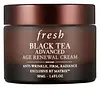
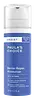
Fresh Black Tea Anti-Aging Ceramide Moisturizer Versus Paula's Choice Resist Barrier Repair Moisturizer with Retinol
This anti-aging moisturizer is formulated around Squalane and Camellia Sinensis Leaf Extract to soften the look of wrinkles and strengthen the skin barrier.
This barrier-repair moisturizer is formulated around Retinol and Ceramide NP to strengthen the skin barrier and soften the look of wrinkles.

What's inside
What's inside
 Key Ingredients
Benefits
Concerns
Ingredients Side-by-side
Water
Skin ConditioningGlycerin
Humectant


Pentylene Glycol
Skin Conditioning
Cocoglycerides
Emollient


Squalane
Emollient
Glyceryl Stearate Citrate
Emollient
Hydrogenated Coco-Glycerides
Emollient
Jojoba Esters
Emollient
Propanediol
Solvent
Polyglycerin-3
Humectant
Camellia Sinensis Leaf Extract
Antimicrobial





Nephelium Lappaceum Leaf Extract
Skin ConditioningAlpinia Speciosa Leaf Extract
Skin ConditioningTocopherol
Antioxidant

Tocopheryl Acetate
Antioxidant
Ceramide NP
Skin Conditioning
Carbomer
Emulsion StabilisingAdenosine
Skin Conditioning
Hydroxyacetophenone
Antioxidant
Chlorphenesin
Antimicrobial
Sodium Hydroxide
BufferingSodium Polyacrylate
Absorbent
Maltodextrin
Absorbent
Parfum
Masking



Linalool
Perfuming
Citronellol
Perfuming
Geraniol
Perfuming
Water, Glycerin, Pentylene Glycol, Cocoglycerides, Squalane, Glyceryl Stearate Citrate, Hydrogenated Coco-Glycerides, Jojoba Esters, Propanediol, Polyglycerin-3, Camellia Sinensis Leaf Extract, Nephelium Lappaceum Leaf Extract, Alpinia Speciosa Leaf Extract, Tocopherol, Tocopheryl Acetate, Ceramide NP, Carbomer, Adenosine, Hydroxyacetophenone, Chlorphenesin, Sodium Hydroxide, Sodium Polyacrylate, Maltodextrin, Parfum, Linalool, Citronellol, Geraniol
Water
Skin ConditioningDicaprylyl Carbonate
EmollientGlycerin
Humectant
Ethylhexyl Stearate
Emollient

Cocoglycerides
Emollient
Butyrospermum Parkii Butter
Skin Conditioning
Squalane
Emollient
Sodium Polyacrylate
Absorbent
Lecithin
Emollient
Adenosine
Skin Conditioning
Palmitoyl Tripeptide-1
Skin Conditioning

Ceramide NP
Skin Conditioning
Retinol
Skin Conditioning

Punica Granatum Extract
AstringentCamellia Oleifera Leaf Extract
AstringentGlycyrrhiza Glabra Root Extract
Bleaching
Tetrahydrodiferuloylmethane
Antioxidant
Tetrahydrodemethoxydiferuloylmethane
Antioxidant
Tetrahydrobisdemethoxydiferuloylmethane
Antioxidant
Tocopheryl Acetate
Antioxidant
Chamomilla Recutita Flower Extract
Masking
Glycine Soja Seed Extract
Skin Conditioning
Glycine Soja Oil
Emollient
Butylene Glycol
Humectant
Propylene Glycol
Humectant
Glyceryl Polymethacrylate
Xanthan Gum
EmulsifyingPhenoxyethanol
Preservative
Water, Dicaprylyl Carbonate, Glycerin, Ethylhexyl Stearate, Cocoglycerides, Butyrospermum Parkii Butter, Squalane, Sodium Polyacrylate, Lecithin, Adenosine, Palmitoyl Tripeptide-1, Ceramide NP, Retinol, Punica Granatum Extract, Camellia Oleifera Leaf Extract, Glycyrrhiza Glabra Root Extract, Tetrahydrodiferuloylmethane, Tetrahydrodemethoxydiferuloylmethane, Tetrahydrobisdemethoxydiferuloylmethane, Tocopheryl Acetate, Chamomilla Recutita Flower Extract, Glycine Soja Seed Extract, Glycine Soja Oil, Butylene Glycol, Propylene Glycol, Glyceryl Polymethacrylate, Xanthan Gum, Phenoxyethanol
Reviews
Ingredients Explained
These ingredients are found in both products.
Ingredients higher up in an ingredient list are typically present in a larger amount.
Adenosine is a purine nucleoside that your body already makes in every cell. In skincare, it acts mainly as a skin conditioning and anti-aging agent.
The way it works is fairly well mapped out:
Your skin has cells called fibroblasts that build collagen (the stuff that keeps skin firm and smooth). Adenosine basically flips a switch on these cells that tells them to get to work making more collagen and other proteins. These cells slow down on their own as skin ages, so Adenosine helps give them a little nudge to keep going.
The clinical backing is pretty solid too.
A blind, randomized, placebo-controlled trial of 126 women aged 45-65 tested a 0.1% cream twice daily and found real improvements in crow's feet and frown lines using a precise 3D skin-mapping technique; these changes showed up by week 3 and held at 2 months.
A later study using Adenosine-loaded dissolving microneedle patches reported gains in wrinkle depth, dermal density, elasticity, and hydration.
On concentrations, South Korea's Ministry of Food and Drug Safety has set 0.04% as the approved functional anti-wrinkle level. You'll typically see this ingredient used somewhere in the 0.04-0.1% range since it works at low doses.
This ingredient has been found safe for cosmetics with the data showing no irritation or sensitization.
Overall, this is a great ingredient for any anti-aging routine and has no photosensitizing effect, so it suits both AM and PM use.
Learn more about AdenosineCeramide NP (formerly known as Ceramide 3) is one of the skin's naturally occurring lipids.
Since ceramides are the major lipid components of the skin, they are crucial for maintaining skin barrier and hydration. Ceramide NP most closely mirrors the dominant kind in human skin amongst ceramide subtypes.
This ceramide works by slotting into gaps within the stratum corneum's lipid matrix to limit trans-epidermal water loss (TEWL) and shield the skin against external irritants.
A study with 312 patients found that using a ceramide-containing routine for 4 weeks reduced the severity of atopic dermatitis by over 61%.
Another clinical study in subjects aged 60 and older found that a ceramide body wash and moisturizer improved skin dryness and itchy skin in 15 days.
Overall, ceramides are considered non-irritating and safety tests have found little to no observable adverse effects from using this ingredient.
Ceramide NP is usually sourced from plants (like soybean or rice bran), or produced synthetically.
Learn more about Ceramide NPCocoglycerides is made from the mono, di and triglycerides of coconut oil. It is an emollient and emulsifer.
Emollients are a type of moisturizer. They create a thin film on top of the skin. This film prevents moisture from escaping, keeping the skin hydrated.
Emulsifiers prevent ingredients from separating. Examples of this include oils and water, which naturally do not mix. Emulsifiers helps elongate the shelf life of a product. They also help the product stay consistent in texture.
Learn more about CocoglyceridesGlycerin (or glycerol) is a compound naturally found in your skin. It's a powerhouse humectant that pulls water into the stratum corneum.
Topically, glycerin does several things at once:
Your skin makes glycerin on its own (mostly from sebaceous oil breakdown) and shuttles it to your outermost layer of skin, or your epidermis, via aquaporin-3.
Aquaporin-3 is a transporter that is essential for normal skin hydration, elasticity, and repair. Interestingly, mice lacking in AQP3 have dry and less elastic skin that can be fully corrected with glycerin.
This ingredient is non-irritating, plays well with almost every ingredient, and works across all skin types. Typical use is anywhere between 3-10% but can go up to 79% in some leave-on products.
Just know very high concentrations (>40%) can feel tacky in low humidity.
Glycerin is the name for this ingredient in American English. British English uses Glycerol/Glycerine.
Learn more about GlycerinSodium Polyacrylate is the sodium salt of polyacrylic acid. It is used as an absorber, emollient, and stabilizer.
This ingredient is a super-absorbent polymer - meaning it can absorb 100 to 1000 times its mass in water. As an emollient, Sodium Polyacrylate helps soften and soothe skin. Emollients work by creating a barrier to trap moisture in. This helps keep your skin hydrated.
Squalane is the hydrogenated and shelf-stable form of squalene (a lipid that naturally occurs in human sebum).
It is an emollient and skin conditioning agent that is able to integrate seamlessly into the skin's lipid barrier without clogging pores.
This is due to how structurally similar it is to what your skin already produces.
Though it is mostly an emollient that helps soften and hydrate skin, it also has some humectant and occlusive action. Humectants help the skin retain moisture while occlusives seal it in, making squalane a triple-threat moisturizer.
Research shows it has antioxidant capabilities that help protect against stressors like UV exposure, specifically UVA induced oxidative stress. This study also found that it supports collagen biosynthesis in human dermal fibroblasts.
No clinical study has reported significant adverse effects and irritation reactions are very rare from this ingredient (even at 100% concentration).
Overall, it's a fantastic ingredient for hydration and is suitable for all skin types.
This depends on the source. Squalane can be derived from both plants and animals. Most squalane used in skincare comes from plants.
Please note: the source of squalane is only known if disclosed by the brand. We recommend reaching out to the brand if you have any questions about their squalane.
Read more about squalene with an "e".
Though squalane is often called an oil, it’s technically not one. It is a hydrocarbon, meaning it is only made of carbon and hydrogen. True oils are triglycerides and made of fatty acids and glycerol.
The term “oil-free” isn’t regulated so companies can define it however they want. Some exclude all oils, while others just avoid mineral oil or comedogenic oils.
Squalane has a comedogenic rating of 1 from the original 1972 study that tested raw ingredients under occlusion on rabbit ears. This system is not standardized or peer-reviewed, and using the raw ingredients is very different from how diluted cosmetic formulations are used on human skin.
A comedogenic rating of 1 means it is "unlikely to clog pores" according to the original rating system.
The overall formula of a product matters more than the individual ingredients on whether or not it will cause clogged pores.
Learn more about SqualaneTocopheryl Acetate is a stable, shelf-friendly form of vitamin E.
Formulators love it because plain vitamin E oxidizes quickly once it hits air. This acetate version stays stable and resists going off, helping to extend a product's shelf life.
It's actually inactive on its own and works like a slow-release "storage" form; the enzymes in your skin called esterases gradually convert it into active vitamin E over time.
One in vivo study showed 5% of the acetate in the living layer of the epidermis converted to vitamin E after 5 days of application. This study also found the skin gained protection against UV damage even though the conversion was slow and small.
Once converted, vitamin E acts as a skin's main fat-soluble antioxidant that fights free radicals to protect skin from damage.
Topical vitamin E generally boosts the skin's photoprotection, and it reduced UV-damage in animal models.
This ingredient has some brightening potential but it's more of a prevention ingredient than spot-fader. Cell studies show it can slow down melanin production but it's worth noting that it's not the most powerful brightener out there.
Overall, it has a pretty solid safety profile and has been found to be non-irritating and non-comedogenic. Allergic reactions may happen but stay rare due to how widely the ingredient gets used.
The concentration will vary depending on the formula; industry data shows 0.1% in baby lotions, 3% in lipsticks, and 5% in foot powders. You can also find this ingredient at 100% in a pure vitamin E oil.
Most leave-on skincare keeps it at the lower end, often between 0.5-1%.
Learn more about Tocopheryl AcetateWater. It's the most common cosmetic ingredient of all. You'll usually see it at the top of ingredient lists, meaning that it makes up the largest part of the product.
So why is it so popular? Water most often acts as a solvent - this means that it helps dissolve other ingredients into the formulation.
You'll also recognize water as that liquid we all need to stay alive. If you see this, drink a glass of water. Remember to stay hydrated!
Learn more about Water

