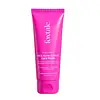
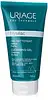
This salicylic acid gel cleanser is formulated around Salicylic Acid to clear breakouts and unclog pores.


What's inside
What's inside
 Key Ingredients
Benefits
Concerns
Ingredients Side-by-side
Water
Skin ConditioningSodium Methyl Cocoyl Taurate
Cleansing
Cocamidopropyl Hydroxysultaine
Cleansing
Cocamidopropyl Betaine
Cleansing


Acrylates Copolymer
Coco-Glucoside
Cleansing
Glyceryl Oleate
Emollient


PEG-7 Glyceryl Cocoate
Emulsifying
Propanediol
Solvent

Glycerin
Humectant
Salicylic Acid
Masking






Betaine
Humectant
Sodium Cocoyl Isethionate
Cleansing
Disodium Cocoyl Glutamate
Cleansing
Phenoxyethanol
Preservative
Ethylhexylglycerin
Skin ConditioningNiacinamide
Smoothing



Castoryl Maleate
Skin ConditioningCentella Asiatica Extract
Cleansing
Sodium Hyaluronate Crosspolymer
Humectant
Sodium Hyaluronate
Humectant
Sodium Acetylated Hyaluronate
Humectant
Hydrolyzed Sodium Hyaluronate
Skin Conditioning
Pentylene Glycol
Skin Conditioning
Acrylates/C10-30 Alkyl Acrylate Crosspolymer
Emulsion StabilisingDisodium EDTA
Parfum
Masking
Sodium Hydroxide
BufferingCI 14720
Cosmetic ColorantWater, Sodium Methyl Cocoyl Taurate, Cocamidopropyl Hydroxysultaine, Cocamidopropyl Betaine, Acrylates Copolymer, Coco-Glucoside, Glyceryl Oleate, PEG-7 Glyceryl Cocoate, Propanediol, Glycerin, Salicylic Acid, Betaine, Sodium Cocoyl Isethionate, Disodium Cocoyl Glutamate, Phenoxyethanol, Ethylhexylglycerin, Niacinamide, Castoryl Maleate, Centella Asiatica Extract, Sodium Hyaluronate Crosspolymer, Sodium Hyaluronate, Sodium Acetylated Hyaluronate, Hydrolyzed Sodium Hyaluronate, Pentylene Glycol, Acrylates/C10-30 Alkyl Acrylate Crosspolymer, Disodium EDTA, Parfum, Sodium Hydroxide, CI 14720
Water
Skin ConditioningSodium Laureth Sulfate
Cleansing
PEG-80 Glyceryl Cocoate
Emulsifying
Sodium Cocoamphoacetate
CleansingPPG-2 Hydroxyethyl Cocamide
Emulsifying
Sodium Laureth-8 Sulfate
Cleansing
Sodium Methyl Cocoyl Taurate
Cleansing
Coco-Glucoside
Cleansing
Glyceryl Oleate
Emollient
Glycine
Buffering
Citric Acid
Buffering
PPG-2 Hydroxyethyl Coco/Isostearamide
Surfactant
Piroctone Olamine
Preservative
Magnesium Laureth Sulfate
Cleansing
Sodium Oleth Sulfate
Cleansing
Epilobium Angustifolium Flower/Leaf/Stem Extract
Skin ConditioningPhenoxyethanol
Preservative
Sodium Metabisulfite
Antioxidant
Tocopherol
Antioxidant
Hydrogenated Vegetable Glycerides Citrate
EmollientWater, Sodium Laureth Sulfate, PEG-80 Glyceryl Cocoate, Sodium Cocoamphoacetate, PPG-2 Hydroxyethyl Cocamide, Sodium Laureth-8 Sulfate, Sodium Methyl Cocoyl Taurate, Coco-Glucoside, Glyceryl Oleate, Glycine, Citric Acid, PPG-2 Hydroxyethyl Coco/Isostearamide, Piroctone Olamine, Magnesium Laureth Sulfate, Sodium Oleth Sulfate, Epilobium Angustifolium Flower/Leaf/Stem Extract, Phenoxyethanol, Sodium Metabisulfite, Tocopherol, Hydrogenated Vegetable Glycerides Citrate
Reviews
Ingredients Explained
These ingredients are found in both products.
Ingredients higher up in an ingredient list are typically present in a larger amount.
Coco-Glucoside is a surfactant, or a cleansing ingredient. It is made from glucose and coconut oil.
Surfactants help gather dirt, oil, and other pollutants from your skin to be rinsed away.
This ingredient is considered gentle and non-comedogenic. However, it may still be irritating for some.
Learn more about Coco-GlucosideGlyceryl Oleate is the monoester of glycerin and oleic acid. It is a skin-conditioning emollient that also helps form emulsions.
What makes glyceryl oleate special is its "re-fatting" effect.
When you wash your hair and skin with a surfactant-based cleanser, the surfactants grab onto everything. This includes your skin's natural lipids, or the fats that live in your skin barrier and sebum. Once you rinse these surfactants away, it leaves your skin feeling tight, dry, and clean (in a not-good way).
Re-fatting is essentially putting some of these lipids back. Glyceryl oleate deposits a thin layer of emollient lipids back on the skin or hair surface reduce some of the barrier damage.
Also, glyceryl oleate isn't a foreign molecule to your skin. It's chemically identical to something your skin already produces and manages naturally. This is why it tends to be well-tolerated with low risk of irritation.
Typical use levels range from 0.5-5%.
Glyceryl Oleate has a function of "perfuming" in the CosIng database. This just means that the ingredient has some scent character that can contribute to the product's overall smell.
The scent of this ingredient is described as "waxy".
As an ester of oleic acid, this ingredient may not be fungal acne safe. This is because oleic acid falls into the carbon-chain length that Malassezia can use as a substrate.
Learn more about Glyceryl OleatePhenoxyethanol is one of the most widely used preservatives in skincare (and for good reason!).
It has a large spectrum of antimicrobial activity and especially effective bacteria, yeast, and mold while only having a weak effect on your skin's natural microbiome.
On a cellular level, it disrupts the cell membranes of microbes by poking holes that make the cell leak. This shuts down the chemical reactions the microbe needs to make energy so it can no longer survive.
Another perk of this ingredient is that it stays functional across a wide pH range (3-10).
You'll often see it paired with boosters like Ethylhexylglycerin; one study showed that a 1:9 ratio of Ethylhexylglycerin to Phenoxyethanol damages bacterial membranes as effectively as doubling the Phenoxyethanol concentration on its own.
Typical use concentrations range from 0.3-1% depending on the formula, and this ingredient is capped at 1% int the EU.
Safety-wise, the fear mongering does not hold up to the evidence. The EU's Scientific Committee on Consumer Safety and FDA consider it safe as a preservative at up to 1%, including for children of all ages.
Adverse systemic effects only showed up in animal studies at exposures roughly 200x higher than what people get from cosmetics. And despite its very widespread use, this ingredient is a rare sensitizer and allergic reactions are uncommon.
Learn more about PhenoxyethanolSodium Methyl Cocoyl Taurate is a gentle, coconut-derived cleansing surfactant. It's most commonly found in "sulfate-free" cleansers.
As a taurate, it belongs to a class of anionic surfactants prized for being efficient at cleansing without harshness, good performance in hard water, stability across a wide pH range, and easily biodegradable.
It is able to lift away oil and grime and make a nice lather without stripping your skin, so it's a good pick for sensitive skin.
Safety-wise, it has a good record. The CIR Expert Panel has concluded this ingredient to be safe in cosmetics and concentrations go up to 11% in leave-on products or 13% in rinse-off products.
Despite being derived from coconut oil, this ingredient is fungal acne safe. It's a water-soluble surfactant with no fatty oils or esters left intact on skin for the Malassezia yeast to feed.
Learn more about Sodium Methyl Cocoyl TaurateWater. It's the most common cosmetic ingredient of all. You'll usually see it at the top of ingredient lists, meaning that it makes up the largest part of the product.
So why is it so popular? Water most often acts as a solvent - this means that it helps dissolve other ingredients into the formulation.
You'll also recognize water as that liquid we all need to stay alive. If you see this, drink a glass of water. Remember to stay hydrated!
Learn more about Water

