Flower Knows Strawberry Cupid Pressed Powder Versus Flower Knows The Sweetie Bear 4-Color Concealer Palette

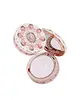
What's inside
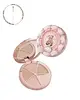
What's inside
 Key Ingredients
Benefits
Concerns
Ingredients Side-by-side
Talc
Abrasive
Polymethyl Methacrylate

Mica
Cosmetic ColorantSilica
Abrasive
Dimethicone
Emollient

Pentaerythrityl Tetraisostearate
Emollient

Zinc Stearate
Cosmetic ColorantCetearyl Ethylhexanoate
Emollient
Zea Mays Starch
Absorbent
Caprylyl Glycol
Emollient
Phenoxyethanol
Preservative
Ethylhexylglycerin
Skin ConditioningTocopheryl Acetate
Antioxidant


Dimethiconol
Emollient
Triethoxycaprylylsilane
CI 77007
Cosmetic ColorantCI 15850
Cosmetic ColorantCI 77499
Cosmetic ColorantCI 73360
Cosmetic ColorantCI 77891
Cosmetic ColorantCI 77120
Cosmetic ColorantCI 77492
Cosmetic ColorantTocopherol
Antioxidant




Aluminum Hydroxide
EmollientTalc, Polymethyl Methacrylate, Mica, Silica, Dimethicone, Pentaerythrityl Tetraisostearate, Zinc Stearate, Cetearyl Ethylhexanoate, Zea Mays Starch, Caprylyl Glycol, Phenoxyethanol, Ethylhexylglycerin, Tocopheryl Acetate, Dimethiconol, Triethoxycaprylylsilane, CI 77007, CI 15850, CI 77499, CI 73360, CI 77891, CI 77120, CI 77492, Tocopherol, Aluminum Hydroxide
CI 77891
Cosmetic ColorantTriethylhexanoin
MaskingDipentaerythrityl Hexahydroxystearate/Hexastearate/Hexarosinate
Skin ConditioningDiisostearyl Malate
EmollientPhenyl Trimethicone
Skin Conditioning
Microcrystalline Wax
Emulsion StabilisingPhytosteryl/Isostearyl/Cetyl/Stearyl/Behenyl Dimer Dilinoleate
Skin Conditioning
Pentaerythrityl Tetraisostearate
Emollient
Bis-Diglyceryl Polyacyladipate-2
Emollient
Paraffin
Skin Conditioning
Synthetic Fluorphlogopite
CI 77492
Cosmetic ColorantCaprylic/Capric Triglyceride
Masking
CI 77491
Cosmetic ColorantPolyglyceryl-6 Polyricinoleate
Emulsifying
Trihydroxystearin
Skin Conditioning
Disteardimonium Hectorite
StabilisingSilica Silylate
Emollient
Aluminum Hydroxide
EmollientPropylene Carbonate
SolventParfum
Masking


Dehydroacetic Acid
Preservative
CI 77499
Cosmetic ColorantDistearyldimonium Chloride
Tridecyl Trimellitate
EmollientSynthetic Wax
Abrasive
Boron Nitride
Absorbent
Petrolatum
Emollient
Trioctyldodecyl Citrate
EmollientBis-Behenyl/Isostearyl/Phytosteryl Dimer Dilinoleyl Dimer Dilinoleate
EmollientAcrylates/Stearyl Acrylate/Dimethicone Methacrylate Copolymer
Vinyl Dimethicone/Methicone Silsesquioxane Crosspolymer
C30-45 Alkyl Methicone
Emollient
Sorbitan Sesquioleate
Emulsifying
Hydrogenated Polycyclopentadiene
C30-45 Olefin
Skin ConditioningLauryl PEG-10 Tris(Trimethylsiloxy)Silylethyl Dimethicone
Emulsifying
Stearalkonium Hectorite
Gel FormingTriethoxycaprylylsilane
BHT
Antioxidant
Tocopheryl Acetate
Antioxidant
Tocopherol
Antioxidant
CI 77891, Triethylhexanoin, Dipentaerythrityl Hexahydroxystearate/Hexastearate/Hexarosinate, Diisostearyl Malate, Phenyl Trimethicone, Microcrystalline Wax, Phytosteryl/Isostearyl/Cetyl/Stearyl/Behenyl Dimer Dilinoleate, Pentaerythrityl Tetraisostearate, Bis-Diglyceryl Polyacyladipate-2, Paraffin, Synthetic Fluorphlogopite, CI 77492, Caprylic/Capric Triglyceride, CI 77491, Polyglyceryl-6 Polyricinoleate, Trihydroxystearin, Disteardimonium Hectorite, Silica Silylate, Aluminum Hydroxide, Propylene Carbonate, Parfum, Dehydroacetic Acid, CI 77499, Distearyldimonium Chloride, Tridecyl Trimellitate, Synthetic Wax, Boron Nitride, Petrolatum, Trioctyldodecyl Citrate, Bis-Behenyl/Isostearyl/Phytosteryl Dimer Dilinoleyl Dimer Dilinoleate, Acrylates/Stearyl Acrylate/Dimethicone Methacrylate Copolymer, Vinyl Dimethicone/Methicone Silsesquioxane Crosspolymer, C30-45 Alkyl Methicone, Sorbitan Sesquioleate, Hydrogenated Polycyclopentadiene, C30-45 Olefin, Lauryl PEG-10 Tris(Trimethylsiloxy)Silylethyl Dimethicone, Stearalkonium Hectorite, Triethoxycaprylylsilane, BHT, Tocopheryl Acetate, Tocopherol
Reviews
Ingredients Explained
These ingredients are found in both products.
Ingredients higher up in an ingredient list are typically present in a larger amount.
Aluminum Hydroxide is a form of aluminum. It can be naturally found in nature as the mineral gibbsite. In cosmetics, Aluminum Hydroxide is used as a colorant, pH adjuster, and absorbent.
As a colorant, Aluminum Hydroxide may add opacity, or reduce the transparency. Aluminum hydroxide is contains both basic and acidic properties.
According to manufacturers, this ingredient is an emollient and humectant. This means it helps hydrate the skin.
In medicine, this ingredient is used to help relieve heartburn and help heal ulcers.
There is currently no credible scientific evidence linking aluminum hydroxide in cosmetics to increased cancer risk.
Major health organizations allow the use of aluminum hydroxide in personal care products and have not flagged it as a carcinogenic risk at typical usage levels.
Learn more about Aluminum HydroxideCI 77492 is also hydrated iron III oxide. It's sole purpose is to give a yellow hue to products.
Iron III oxides are classified as inorganic chemicals for coloring.
Synthetically created CI 77492 is considered safer than those naturally found. This is because the synthetically created version may contain less impurities. Iron oxides are generally non-toxic and non-allergenic.
Learn more about CI 77492Ci 77499 is also hydrated iron III oxide. It is created from mixing red and black iron oxides. This helps give shades of darkness to a product.
Iron III oxides are classified as inorganic chemicals for coloring.
Ci 77891 is a white pigment from Titanium dioxide. It is naturally found in minerals such as rutile and ilmenite.
It's main function is to add a white color to cosmetics. It can also be mixed with other colors to create different shades.
Ci 77891 is commonly found in sunscreens due to its ability to block UV rays.
Learn more about CI 77891Pentaerythrityl Tetraisostearate is a synthetic emollient and "skin-feel" ingredient that spreads well and leaves a non-sticky finish with high gloss.
In makeup, it also doubles as a pigment-wetting agent for better color payoff.
It's a well-vetted ingredient for safety and does not penetrate into skin due to its large molecule size.
Because it's a long-chain fatty acid ester, this ingredient may not be fungal acne or Malassezia safe.
Learn more about Pentaerythrityl TetraisostearateTocopherol is a fat-soluble antioxidant known as Vitamin E.
You'll find this ingredient in the vast majority of skincare (for good reason). It works to neutralize free radicals, or unstable molecules generated by UV exposure, pollution, and other environmental stressors, before they can cause oxidative damage to your skin cells.
Topically applied tocopherol has been shown to protect against UV damage by ramping up the skin's own natural defense enzymes.
It also acts as a skin conditioning agent; some studies show that regular topical use can improve the skin's water-binding capacity over 2-4 weeks.
This ingredient is especially loved for being a team player. When combined with Vitamin C, the photoprotective effect of both ingredients roughly doubles and the combo also helps reduce UV-induced DNA damage.
This ingredient has some brightening potential but it's more of a prevention ingredient than spot-fader. Cell studies show it can slow down melanin production but it's worth noting that it's not the most powerful brightener out there.
In formulations, it also serves as a stabilizer that helps protect other oxidation-prone ingredients from degrading.
Concentrations usually range from 0.1-1% in most leave-on products.
Learn more about TocopherolTocopheryl Acetate is a stable, shelf-friendly form of vitamin E.
Formulators love it because plain vitamin E oxidizes quickly once it hits air. This acetate version stays stable and resists going off, helping to extend a product's shelf life.
It's actually inactive on its own and works like a slow-release "storage" form; the enzymes in your skin called esterases gradually convert it into active vitamin E over time.
One in vivo study showed 5% of the acetate in the living layer of the epidermis converted to vitamin E after 5 days of application. This study also found the skin gained protection against UV damage even though the conversion was slow and small.
Once converted, vitamin E acts as a skin's main fat-soluble antioxidant that fights free radicals to protect skin from damage.
Topical vitamin E generally boosts the skin's photoprotection, and it reduced UV-damage in animal models.
This ingredient has some brightening potential but it's more of a prevention ingredient than spot-fader. Cell studies show it can slow down melanin production but it's worth noting that it's not the most powerful brightener out there.
Overall, it has a pretty solid safety profile and has been found to be non-irritating and non-comedogenic. Allergic reactions may happen but stay rare due to how widely the ingredient gets used.
The concentration will vary depending on the formula; industry data shows 0.1% in baby lotions, 3% in lipsticks, and 5% in foot powders. You can also find this ingredient at 100% in a pure vitamin E oil.
Most leave-on skincare keeps it at the lower end, often between 0.5-1%.
Learn more about Tocopheryl AcetateTriethoxycaprylylsilane is a silicon-based surface modifier that makes sunscreens feel silky and makeup stay put.
Its main job is to coat mineral particles like titanium dioxide, zinc oxide, and color pigments in a thin, oily layer so they spread smoothly, don't clump, and stick to skin better.
This ingredient is typically used at low levels (up to 2.5% in eyeshadow and 1% in lipstick).
Learn more about Triethoxycaprylylsilane


