
What's inside
What's inside
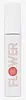 Key Ingredients
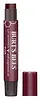
Benefits
Concerns
Ingredients Side-by-side
Water
Skin ConditioningGlycerin
Humectant


Sorbitol
Humectant
Ethylhexyl Hydroxystearate
Emollient

Squalane
Emollient
Hydroxyethyl Acrylate/Sodium Acryloyldimethyl Taurate Copolymer
Emulsion StabilisingPhenoxyethanol
Preservative
Diisostearyl Malate
EmollientPEG-60 Hydrogenated Castor Oil
Emulsifying
Polyglyceryl-2 Triisostearate
Emulsifying
Polysorbate 60
Emulsifying
Ethylhexylglycerin
Skin ConditioningSorbitan Isostearate
Emulsifying
Alumina
Abrasive
CI 77891
Cosmetic ColorantIron Oxides
CI 15850
Cosmetic ColorantCI 45410
Cosmetic ColorantCI 17200
Cosmetic ColorantCI 19140
Cosmetic ColorantCI 15985
Cosmetic ColorantCI 42090
Cosmetic ColorantWater, Glycerin, Sorbitol, Ethylhexyl Hydroxystearate, Squalane, Hydroxyethyl Acrylate/Sodium Acryloyldimethyl Taurate Copolymer, Phenoxyethanol, Diisostearyl Malate, PEG-60 Hydrogenated Castor Oil, Polyglyceryl-2 Triisostearate, Polysorbate 60, Ethylhexylglycerin, Sorbitan Isostearate, Alumina, CI 77891, Iron Oxides, CI 15850, CI 45410, CI 17200, CI 19140, CI 15985, CI 42090
Ricinus Communis Seed Oil
Masking
Helianthus Annuus Seed Oil
Emollient
Beeswax
Emulsion Stabilising


Euphorbia Cerifera Wax
Mentha Piperita Oil
Masking



Lanolin
Emollient
Theobroma Cacao Seed Butter
Emollient
Copernicia Cerifera Wax
Butyrospermum Parkii Butter
Skin Conditioning
Fragaria Ananassa Seed Oil
Antioxidant
Prunus Armeniaca Kernel Oil
Masking
Ribes Nigrum Seed Oil
Emollient
Rosmarinus Officinalis Leaf Extract
AntimicrobialSambucus Nigra Seed Oil
Tocopherol
Antioxidant



Canola Oil
Emollient
Glycine Soja Oil
Emollient
Tin Oxide
Abrasive
Mica
Cosmetic ColorantIron Oxides
CI 75470
Cosmetic ColorantAlumina
Abrasive
Titanium Dioxide
Cosmetic Colorant

Ricinus Communis Seed Oil, Helianthus Annuus Seed Oil, Beeswax, Euphorbia Cerifera Wax, Mentha Piperita Oil, Lanolin, Theobroma Cacao Seed Butter, Copernicia Cerifera Wax, Butyrospermum Parkii Butter, Fragaria Ananassa Seed Oil, Prunus Armeniaca Kernel Oil, Ribes Nigrum Seed Oil, Rosmarinus Officinalis Leaf Extract, Sambucus Nigra Seed Oil, Tocopherol, Canola Oil, Glycine Soja Oil, Tin Oxide, Mica, Iron Oxides, CI 75470, Alumina, Titanium Dioxide
Ingredients Explained
These ingredients are found in both products.
Ingredients higher up in an ingredient list are typically present in a larger amount.
Alumina (aka aluminum oxide) is an inorganic mineral powder refined from bauxite that works as a quiet workhorse in a formula.
It shows up often as an abrasive, absorbent, anticaking, bulking, and viscosity-controlling agent.
One of its most common jobs is acting as a pigment carrier and dispersant.
Alumina platelets are often blended with inorganic sunscreens like Titanium Dioxide (or with colorants) and then coated with a silicone such as Triethoxycaprylylsilane so the pigment spreads evenly and smoothly.
In makeup, it can also double as a light-diffusing powder or oil absorber to keep formulas from looking greasy.
The Cosmetic Ingredient Review Expert Panel has concluded alumina to be safe in present practices of use and concentration.
They note it's a stable, oxidized compound and scientific research has failed to establish links to health issues.
Concentrations vary depending on the product:
Learn more about AluminaThis ingredient is a combination of red, black, and yellow iron oxide pigments. This combination of colors is usually found in foundation, because it results in a "skin" color.
The EU typically uses CI numbers for colorants when applicable, such as CI 77489. In the US, iron oxides are regulated as color additives and "iron oxides" is the most commonly used name in US cosmetic practice.
A 2021 paper looked at skincare formulations containing iron oxides and found that they reduced transmission of blue light when measured optically. In simple terms, the pigment particles helped block or scatter part of the visible light spectrum in lab testing and the authors suggest this could translate into better protection against blue-light-related skin effects.
There is also clinical and experimental research showing that tinted products containing iron oxides can reduce visible light-induced pigmentation:
Please note, whether a product reduces visible or blue light depends on things like:
In the EU's CosIng database, iron oxides are only listed as a colorant. CosIng groups ingredients by their main cosmetic role, such as colorant, preservative, or UV filter.
Though studies say iron oxides can "attenuate blue light", they're describing an optical property and not an officially recognized cosmetic function.
So CosIng isn’t contradicting the research. It’s just classifying iron oxides by what they officially are: pigments that add color.
Learn more about Iron Oxides

