

What's inside
What's inside
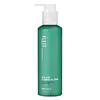 Key Ingredients
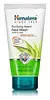
Benefits
Concerns
Ingredients Side-by-side
Water
Skin ConditioningPotassium Laureth Phosphate
EmulsifyingGlycerin
Humectant


Lauryl Hydroxysultaine
CleansingCoco-Glucoside
Cleansing
Sodium Cocoyl Glutamate
Cleansing
Citric Acid
Buffering


Centella Asiatica Extract
Cleansing



Aloe Barbadensis Leaf Extract
Emollient
Artemisia Princeps Extract
Skin Conditioning
Kaolin
Abrasive



Asiaticoside
Antioxidant
Madecassoside
Antioxidant
4-Terpineol
Masking
Potassium Cocoyl Glycinate
Surfactant
1,2-Hexanediol
Skin Conditioning
Salicylic Acid
Masking




Acrylates/C10-30 Alkyl Acrylate Crosspolymer
Emulsion StabilisingCitrus Limon Fruit Oil
Astringent
Citrus Aurantium Dulcis Peel Oil
Masking
Citrus Aurantium Bergamia Fruit Oil
Masking

Ethylhexylglycerin
Skin ConditioningCaprylyl Glycol
Emollient
Limonene
Perfuming
Linalool
Perfuming
Water, Potassium Laureth Phosphate, Glycerin, Lauryl Hydroxysultaine, Coco-Glucoside, Sodium Cocoyl Glutamate, Citric Acid, Centella Asiatica Extract, Aloe Barbadensis Leaf Extract, Artemisia Princeps Extract, Kaolin, Asiaticoside, Madecassoside, 4-Terpineol, Potassium Cocoyl Glycinate, 1,2-Hexanediol, Salicylic Acid, Acrylates/C10-30 Alkyl Acrylate Crosspolymer, Citrus Limon Fruit Oil, Citrus Aurantium Dulcis Peel Oil, Citrus Aurantium Bergamia Fruit Oil, Ethylhexylglycerin, Caprylyl Glycol, Limonene, Linalool
Water
Skin ConditioningAmmonium Lauryl Sulfate
Cleansing
Melia Azadirachta Leaf Extract
Skin ConditioningCocamidopropyl Betaine
Cleansing
Sodium Cocoyl Glutamate
Cleansing
Disodium Cocoyl Glutamate
Cleansing
Glycerin
Humectant
Acrylates/C10-30 Alkyl Acrylate Crosspolymer
Emulsion StabilisingCurcuma Longa Root Extract
Antioxidant
Sodium Hydroxide
BufferingPhenoxyethanol
Preservative
Parfum
Masking
Methylchloroisothiazolinone
Preservative
Methylisothiazolinone
Preservative
Sodium Metabisulfite
Antioxidant
Citric Acid
Buffering
Disodium EDTA
ChelatingTocopheryl Acetate
Antioxidant
CI 19140
Cosmetic ColorantBlue 1 Lake
Cosmetic ColorantWater, Ammonium Lauryl Sulfate, Melia Azadirachta Leaf Extract, Cocamidopropyl Betaine, Sodium Cocoyl Glutamate, Disodium Cocoyl Glutamate, Glycerin, Acrylates/C10-30 Alkyl Acrylate Crosspolymer, Curcuma Longa Root Extract, Sodium Hydroxide, Phenoxyethanol, Parfum, Methylchloroisothiazolinone, Methylisothiazolinone, Sodium Metabisulfite, Citric Acid, Disodium EDTA, Tocopheryl Acetate, CI 19140, Blue 1 Lake
Reviews
Ingredients Explained
These ingredients are found in both products.
Ingredients higher up in an ingredient list are typically present in a larger amount.
Acrylates/C10-30 Alkyl Acrylate Crosspolymer is a synthetic polymer. It is used to thicken, emulsify, and improve the texture of products.
As an emulsifier, it helps stabilize oil-in-water emulsions to give products an elegant feel when applied.
It can also form a thin protective film on skin. One study found that a formula using this polymer helped slow down how quickly other ingredients (like DEET) were absorbed through skin.
A 2024 study of over 1,300 patients confirmed that sensitization to this ingredient is rare. It is also non-mutagenic and has a clean track record.
Learn more about Acrylates/C10-30 Alkyl Acrylate CrosspolymerCitric Acid is an alpha hydroxy acid (AHA) naturally found in citrus fruits like oranges, lemons, and limes.
Like other AHAs, citric acid can exfoliate skin by breaking down the bonds that hold dead skin cells together. This helps reveal smoother and brighter skin underneath.
However, this exfoliating effect only happens at high concentrations (20%) which can be hard to find in cosmetic products.
Due to this, citric acid is usually included in small amounts as a pH adjuster. This helps keep products slightly more acidic and compatible with skin's natural pH.
In skincare formulas, citric acid can:
While it can provide some skin benefits, research shows lactic acid and glycolic acid are generally more effective and less irritating exfoliants.
Most citric acid used in skincare today is made by fermenting sugars (usually from molasses). This synthetic version is identical to the natural citrus form but easier to stabilize and use in formulations.
Rosacea skin has a lower threshold for acids generally, with 62.5% of rosacea subjects in one study reacting to lactic acid in a sting test. This is why we mark citric acid as a potential rosacea trigger.
However, this ingredient shows up as a pH adjuster or chelator at roughly 0.1-1% in many products. These low levels are unlikely to be an issue for rosacea skin and becomes a potential trigger at exfoliating concentrations (20%). Because everybody's skin is unique, we recommend a patch test if you are unsure.
Learn more about Citric AcidGlycerin (or glycerol) is a compound naturally found in your skin. It's a powerhouse humectant that pulls water into the stratum corneum.
Topically, glycerin does several things at once:
Your skin makes glycerin on its own (mostly from sebaceous oil breakdown) and shuttles it to your outermost layer of skin, or your epidermis, via aquaporin-3.
Aquaporin-3 is a transporter that is essential for normal skin hydration, elasticity, and repair. Interestingly, mice lacking in AQP3 have dry and less elastic skin that can be fully corrected with glycerin.
This ingredient is non-irritating, plays well with almost every ingredient, and works across all skin types. Typical use is anywhere between 3-10% but can go up to 79% in some leave-on products.
Just know very high concentrations (>40%) can feel tacky in low humidity.
Glycerin is the name for this ingredient in American English. British English uses Glycerol/Glycerine.
Learn more about GlycerinSodium Cocoyl Glutamate is a gentle cleanser and surfactant. It is the sodium salt of the Cocoyl Glutamic Acid and comes from coconut oil. As a surfactant, it helps lift dirt and oil to be washed away.
Sodium Cocoyl Glutamate also has an emolliating effect and can help leave the skin feeling soft.
Water. It's the most common cosmetic ingredient of all. You'll usually see it at the top of ingredient lists, meaning that it makes up the largest part of the product.
So why is it so popular? Water most often acts as a solvent - this means that it helps dissolve other ingredients into the formulation.
You'll also recognize water as that liquid we all need to stay alive. If you see this, drink a glass of water. Remember to stay hydrated!
Learn more about Water

