Fenty Beauty Pro Filtr Soft Matte Powder Foundation Versus Clinique Beyond Perfecting Foundation + Concealer

What's inside
What's inside
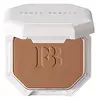 Key Ingredients
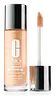
Benefits
Concerns
Ingredients Side-by-side
Talc
Abrasive
Nylon-12


Synthetic Fluorphlogopite
Kaolin
Abrasive

Isoamyl Laurate
Emollient

Dimethicone
Emollient

Zinc Stearate
Cosmetic ColorantPhenyl Trimethicone
Skin Conditioning
1,2-Hexanediol
Skin Conditioning
Caprylyl Glycol
Emollient
Magnesium Myristate
Polyester-4
Skin ConditioningBoron Nitride
Absorbent
CI 77120
Cosmetic ColorantPhenoxyethanol
Preservative
Dimethiconol
Emollient
Decylene Glycol
Skin ConditioningHydrated Silica
Abrasive
Methyl Methacrylate Crosspolymer
Alumina
Abrasive
Magnesium Oxide
AbsorbentTitanium Dioxide
Cosmetic Colorant
Iron Oxides
CI 19140
Cosmetic ColorantTalc, Nylon-12, Synthetic Fluorphlogopite, Kaolin, Isoamyl Laurate, Dimethicone, Zinc Stearate, Phenyl Trimethicone, 1,2-Hexanediol, Caprylyl Glycol, Magnesium Myristate, Polyester-4, Boron Nitride, CI 77120, Phenoxyethanol, Dimethiconol, Decylene Glycol, Hydrated Silica, Methyl Methacrylate Crosspolymer, Alumina, Magnesium Oxide, Titanium Dioxide, Iron Oxides, CI 19140
Water
Skin ConditioningIsostearyl Neopentanoate
Emollient

Dimethicone
Emollient
Isohexadecane
EmollientTrimethylsiloxysilicate
Emollient
Butylene Glycol
Humectant
Glycerin
Humectant
Lauryl PEG-9 Polydimethylsiloxyethyl Dimethicone
Skin Conditioning
Disteardimonium Hectorite
StabilisingTrehalose
Humectant
PEG-10 Dimethicone
Skin Conditioning
Hdi/Trimethylol Hexyllactone Crosspolymer
Dimethicone/PEG-10/15 Crosspolymer
Triethoxycaprylylsilane
Sodium Hyaluronate
Humectant

Hydrolyzed Soy Protein
Humectant
Tocopheryl Acetate
Antioxidant


Polymethyl Methacrylate
Propylene Carbonate
SolventLecithin
Emollient
Laureth-7
EmulsifyingHydrogenated Lecithin
Emulsifying
Dimethicone Silylate
Xanthan Gum
EmulsifyingDipropylene Glycol
HumectantSodium Chloride
MaskingMagnesium Aluminum Silicate
Absorbent
Silica
Abrasive
Coconut Acid
Cleansing
Disodium EDTA
Phenoxyethanol
Preservative
Mica
Cosmetic ColorantCI 77491
Cosmetic ColorantCI 77492
Cosmetic ColorantCI 77499
Cosmetic ColorantCI 77891
Cosmetic ColorantZinc Oxide
Cosmetic Colorant
CI 77163
Cosmetic Colorant
Water, Isostearyl Neopentanoate, Dimethicone, Isohexadecane, Trimethylsiloxysilicate, Butylene Glycol, Glycerin, Lauryl PEG-9 Polydimethylsiloxyethyl Dimethicone, Disteardimonium Hectorite, Trehalose, PEG-10 Dimethicone, Hdi/Trimethylol Hexyllactone Crosspolymer, Dimethicone/PEG-10/15 Crosspolymer, Triethoxycaprylylsilane, Sodium Hyaluronate, Hydrolyzed Soy Protein, Tocopheryl Acetate, Polymethyl Methacrylate, Propylene Carbonate, Lecithin, Laureth-7, Hydrogenated Lecithin, Dimethicone Silylate, Xanthan Gum, Dipropylene Glycol, Sodium Chloride, Magnesium Aluminum Silicate, Silica, Coconut Acid, Disodium EDTA, Phenoxyethanol, Mica, CI 77491, CI 77492, CI 77499, CI 77891, Zinc Oxide, CI 77163
Reviews
Ingredients Explained
These ingredients are found in both products.
Ingredients higher up in an ingredient list are typically present in a larger amount.
Dimethicone is a type of synthetic silicone created from natural materials such as quartz. It is also known as polydimethylsiloxane.
What it does:
Dimethicone comes in different viscosities:
Depending on the viscosity, dimethicone has different properties.
Ingredients lists don't always show which type is used, so we recommend reaching out to the brand if you have questions about the viscosity.
This ingredient is unlikely to cause irritation because it does not get absorbed into skin. However, people with silicone allergies should be careful about using this ingredient.
Note: Dimethicone may contribute to pilling. This is because it is not oil or water soluble, so pilling may occur when layered with products. When mixed with heavy oils in a formula, the outcome is also quite greasy.
Learn more about DimethiconePhenoxyethanol is one of the most widely used preservatives in skincare (and for good reason!).
It has a large spectrum of antimicrobial activity and especially effective bacteria, yeast, and mold while only having a weak effect on your skin's natural microbiome.
On a cellular level, it disrupts the cell membranes of microbes by poking holes that make the cell leak. This shuts down the chemical reactions the microbe needs to make energy so it can no longer survive.
Another perk of this ingredient is that it stays functional across a wide pH range (3-10).
You'll often see it paired with boosters like Ethylhexylglycerin; one study showed that a 1:9 ratio of Ethylhexylglycerin to Phenoxyethanol damages bacterial membranes as effectively as doubling the Phenoxyethanol concentration on its own.
Typical use concentrations range from 0.3-1% depending on the formula, and this ingredient is capped at 1% int the EU.
Safety-wise, the fear mongering does not hold up to the evidence. The EU's Scientific Committee on Consumer Safety and FDA consider it safe as a preservative at up to 1%, including for children of all ages.
Adverse systemic effects only showed up in animal studies at exposures roughly 200x higher than what people get from cosmetics. And despite its very widespread use, this ingredient is a rare sensitizer and allergic reactions are uncommon.
Learn more about Phenoxyethanol

