Fenty Beauty Gloss Bomb Universal Lip Luminizer Versus Lawless Forget The Filler Lip Plumping Line Smoothing Gloss

What's inside
What's inside
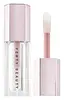 Key Ingredients
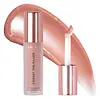
Benefits
Concerns
Ingredients Side-by-side
Polybutene
Hydrogenated Polyisobutene
EmollientOctyldodecanol
Emollient
Simmondsia Chinensis Seed Oil
Emollient




Ethylene/Propylene/Styrene Copolymer
Phenoxyethanol
Preservative
Aroma

Parfum
Masking


Tocopheryl Acetate
Antioxidant


Butylene/Ethylene/Styrene Copolymer
Tetrahexyldecyl Ascorbate
Antioxidant



Butyrospermum Parkii Butter
Skin Conditioning

Butyrospermum Parkii Butter Unsaponifiables
Skin Conditioning
BHT
Antioxidant
Benzyl Benzoate
Antimicrobial

Limonene
Perfuming
Polybutene, Hydrogenated Polyisobutene, Octyldodecanol, Simmondsia Chinensis Seed Oil, Ethylene/Propylene/Styrene Copolymer, Phenoxyethanol, Aroma, Parfum, Tocopheryl Acetate, Butylene/Ethylene/Styrene Copolymer, Tetrahexyldecyl Ascorbate, Butyrospermum Parkii Butter, Butyrospermum Parkii Butter Unsaponifiables, BHT, Benzyl Benzoate, Limonene
Polybutene
Polyglyceryl-2 Tetraisostearate
EmollientHydrogenated Styrene/Methylstyrene/Indene Copolymer
Synthetic Beeswax
Emulsion Stabilising
Isostearyl Isostearate
Emollient
Stearalkonium Bentonite
Gel FormingCaprylic/Capric Triglyceride
Masking
Glycerin
Humectant
Water
Skin ConditioningEthylhexyl Palmitate
Emollient
Octyldodecanol
Emollient
Silica Dimethyl Silylate
EmollientMenthoxypropanediol
Masking
Capsicum Frutescens Fruit Extract
Skin Conditioning
Zingiber Officinale Root Extract
Masking
Butyrospermum Parkii Butter
Skin Conditioning
Synthetic Fluorphlogopite
Aroma
Helianthus Annuus Seed Oil
Emollient
Tocopheryl Nicotinate
Antioxidant
Tribehenin
Emollient
Pentaerythrityl Tetra-Di-T-Butyl Hydroxyhydrocinnamate
Antioxidant
Prunus Amygdalus Dulcis Oil
Skin Conditioning
Rosa Canina Seed Oil
Emollient
Simmondsia Chinensis Seed Oil
Emollient
Sorbitan Isostearate
Emulsifying
Tocopheryl Acetate
Antioxidant
Tin Oxide
Abrasive
Palmitoyl Tripeptide-1
Skin Conditioning

Phenoxyethanol
Preservative
Lactic Acid
Buffering


CI 77491
Cosmetic ColorantCI 77492
Cosmetic ColorantCI 77499
Cosmetic ColorantCI 77891
Cosmetic ColorantCI 73360
Cosmetic ColorantPolybutene, Polyglyceryl-2 Tetraisostearate, Hydrogenated Styrene/Methylstyrene/Indene Copolymer, Synthetic Beeswax, Isostearyl Isostearate, Stearalkonium Bentonite, Caprylic/Capric Triglyceride, Glycerin, Water, Ethylhexyl Palmitate, Octyldodecanol, Silica Dimethyl Silylate, Menthoxypropanediol, Capsicum Frutescens Fruit Extract, Zingiber Officinale Root Extract, Butyrospermum Parkii Butter, Synthetic Fluorphlogopite, Aroma, Helianthus Annuus Seed Oil, Tocopheryl Nicotinate, Tribehenin, Pentaerythrityl Tetra-Di-T-Butyl Hydroxyhydrocinnamate, Prunus Amygdalus Dulcis Oil, Rosa Canina Seed Oil, Simmondsia Chinensis Seed Oil, Sorbitan Isostearate, Tocopheryl Acetate, Tin Oxide, Palmitoyl Tripeptide-1, Phenoxyethanol, Lactic Acid, CI 77491, CI 77492, CI 77499, CI 77891, CI 73360
Reviews
Ingredients Explained
These ingredients are found in both products.
Ingredients higher up in an ingredient list are typically present in a larger amount.
Aroma refers to an ingredient, or mixture of ingredients, that impart or mask a flavor.
The name is slightly confusing. This is because INCI associates aroma with flavor instead of smell.
Here is the official definition from the The International Cosmetic Ingredient Dictionary and Handbook:
“Aroma is a term for ingredient labeling used to identify that a product contains a material or combination of materials normally added to a cosmetic to produce or to mask a particular flavor.”
INCI shows the only purpose of aroma to be "flavouring".
However, due to regulation differences, some companies may use aroma in place of parfum.
In Canada, this ingredient only has to be listed in concentrations above 1%.
Learn more about AromaThis ingredient is also known as shea butter. It is a plant-derived extract from the nuts of the Africa shea tree and one of the most well-studied emollients.
Because it has a high concentration of fatty acids (primarily oleic, stearic, and linoleic) it is able to form a protective barrier on the skin's surface. This helps seal in moisture and prevents transepidermal water loss (TEWL).
In vitro research found an increase in skin hydration by 58% and a decrease in TEWL by 37.8% after 24 hours of applying this ingredient (pretty impressive for a single ingredient!).
Besides hydration, shea butter also contains triterpenes that have anti-inflammatory potential. In particule, lupeol cinnamate has shown the highest anti-inflammatory activity in vivo.
Shea butter also contains vitamins A and E which may contribute to antioxidant activity.
While Shea Butter has an SPF rating of about 3-4, it is not a sunscreen replacement.
This ingredient may not be fungal acne safe because its fatty acids fall within the C11-C24 range that the Malassezia yeast can metabolize.
Learn more about Butyrospermum Parkii ButterOctyldodecanol is a fatty alcohol sourced from plant oils like coconut or palm (or made synthetically).
It is:
You'll likely see this in many BHA products because this is the go-to solvent for salicylic acid.
This ingredient is typically used at levels between 2-20%.
Regarding fungal acne:
In 2019, this ingredient was tested against multiple Malassezia species (the yeast that causes fungal acne) and showed no growth.
Phenoxyethanol is a preservative that has germicide, antimicrobial, and aromatic properties. Studies show that phenoxyethanol can prevent microbial growth. By itself, it has a scent that is similar to that of a rose.
It's often used in formulations along with Caprylyl Glycol to preserve the shelf life of products.
Polybutene is used to help control the viscosity of a product. This just means it helps adjusts the texture.
It is a polymer and does not get absorbed into the skin due to its large size.
Studies found this ingredient did not irritate skin in concentrations below 15%.
Learn more about PolybuteneJojoba oil is one of the most well-studied plant-derived ingredients in cosmetics. It is an emollient with a special structure.
Because it is made up of 97-98% wax esters, it closely mirrors the linear monoesters found in human sebum. This makes it skin compatible, non-greasy, and lightweight.
Unlike other plant oils, jojoba wax doesn't easily penetrate skin. It mostly works in the uppermost layers as an emollient. This just means it forms a light barrier on the skin to help retain moisture.
Formulations with jojoba esters up to 90% reduced transepidermal water loss (TEWL) and increased barrier recovery by 81% (outperforming bisabolol at 47%).
Besides barrier support, the science also suggests jojoba to have anti-inflammatory effects and potential applications for skin infections, aging, and wound healing.
Fun fact: Indigenous cultures have used jojoba as a moisturizer and to help treat burns for centuries.
Fungal acne: The Malassezia yeast is known to metabolize fatty acids in the C11-24 range and jojoba's dominant fatty acid components fall into this range. This ingredient may not be fungal acne safe.
Learn more about Simmondsia Chinensis Seed OilTocopheryl Acetate is AKA Vitamin E. It is an antioxidant and protects your skin from free radicals. Free radicals damage the skin by breaking down collagen.
One study found using Tocopheryl Acetate with Vitamin C decreased the number of sunburned cells.
Tocopheryl Acetate is commonly found in both skincare and dietary supplements.
Learn more about Tocopheryl Acetate
