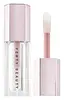
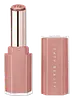
Fenty Beauty Gloss Bomb Universal Lip Luminizer Versus Fenty Beauty Gloss Bomb Stix High-Shine Gloss Stick

What's inside
What's inside
 Key Ingredients
Benefits
Concerns
Ingredients Side-by-side
Polybutene
Hydrogenated Polyisobutene
EmollientOctyldodecanol
Emollient
Simmondsia Chinensis Seed Oil
Emollient




Ethylene/Propylene/Styrene Copolymer
Phenoxyethanol
Preservative
Aroma

Parfum
Masking


Tocopheryl Acetate
Antioxidant


Butylene/Ethylene/Styrene Copolymer
Tetrahexyldecyl Ascorbate
Antioxidant



Butyrospermum Parkii Butter
Skin Conditioning

Butyrospermum Parkii Butter Unsaponifiables
Skin Conditioning
BHT
Antioxidant
Benzyl Benzoate
Antimicrobial

Limonene
Perfuming
Polybutene, Hydrogenated Polyisobutene, Octyldodecanol, Simmondsia Chinensis Seed Oil, Ethylene/Propylene/Styrene Copolymer, Phenoxyethanol, Aroma, Parfum, Tocopheryl Acetate, Butylene/Ethylene/Styrene Copolymer, Tetrahexyldecyl Ascorbate, Butyrospermum Parkii Butter, Butyrospermum Parkii Butter Unsaponifiables, BHT, Benzyl Benzoate, Limonene
Bis-Diglyceryl Polyacyladipate-2
Emollient
Diisostearyl Malate
EmollientHydrogenated Polyisobutene
EmollientSqualane
Emollient
Bis-Behenyl/Isostearyl/Phytosteryl Dimer Dilinoleyl Dimer Dilinoleate
EmollientPolybutene
Cera Alba
Emollient
Synthetic Wax
Abrasive
Butyrospermum Parkii Butter
Skin Conditioning
Polyglyceryl-2 Triisostearate
Emulsifying
Aroma
Parfum
Masking
Caprylyl Glycol
Emollient
Triethoxycaprylylsilane

Aluminum Hydroxide
EmollientPolyhydroxystearic Acid
Emulsifying
Tocopherol
Antioxidant
Helianthus Annuus Seed Oil
Emollient
Actinidia Chinensis Seed Oil
Emollient
Benzyl Benzoate
Antimicrobial
Limonene
Perfuming
CI 77891
Cosmetic ColorantCI 77491
Cosmetic ColorantCI 77492
Cosmetic ColorantCI 77499
Cosmetic ColorantCI 15850
Cosmetic ColorantBis-Diglyceryl Polyacyladipate-2, Diisostearyl Malate, Hydrogenated Polyisobutene, Squalane, Bis-Behenyl/Isostearyl/Phytosteryl Dimer Dilinoleyl Dimer Dilinoleate, Polybutene, Cera Alba, Synthetic Wax, Butyrospermum Parkii Butter, Polyglyceryl-2 Triisostearate, Aroma, Parfum, Caprylyl Glycol, Triethoxycaprylylsilane, Aluminum Hydroxide, Polyhydroxystearic Acid, Tocopherol, Helianthus Annuus Seed Oil, Actinidia Chinensis Seed Oil, Benzyl Benzoate, Limonene, CI 77891, CI 77491, CI 77492, CI 77499, CI 15850
Reviews
Ingredients Explained
These ingredients are found in both products.
Ingredients higher up in an ingredient list are typically present in a larger amount.
Aroma refers to an ingredient, or mixture of ingredients, that impart or mask a flavor.
The name is slightly confusing. This is because INCI associates aroma with flavor instead of smell.
Here is the official definition from the The International Cosmetic Ingredient Dictionary and Handbook:
“Aroma is a term for ingredient labeling used to identify that a product contains a material or combination of materials normally added to a cosmetic to produce or to mask a particular flavor.”
INCI shows the only purpose of aroma to be "flavouring".
However, due to regulation differences, some companies may use aroma in place of parfum.
In Canada, this ingredient only has to be listed in concentrations above 1%.
Learn more about AromaBenzyl Benzoate is usually created from the condensation of benzoic acid and benzyl alcohol. It is used as a preservative, solvent, and has a floral/balsamic scent in large amounts.
As a preservative, Benzyl Benzoate works against bacteria and fungus. It is often used to treat scabies and lice in medicine.
Solvents are used to keep ingredients together in a product. They can help dissolve ingredients to stable bases or help evenly distribute ingredients throughout the product.
Due to its fragrance, Benzyl Benzoate can be sensitizing and may cause contact dermatitis. It is a known EU allergen. We recommend speaking with a professional if you have any concerns.
Benzyl Benzoate can be naturally found in cranberries and peaches.
Learn more about Benzyl BenzoateThis ingredient is also known as shea butter. It is a plant-derived extract from the nuts of the Africa shea tree and one of the most well-studied emollients.
Because it has a high concentration of fatty acids (primarily oleic, stearic, and linoleic) it is able to form a protective barrier on the skin's surface. This helps seal in moisture and prevents transepidermal water loss (TEWL).
In vitro research found an increase in skin hydration by 58% and a decrease in TEWL by 37.8% after 24 hours of applying this ingredient (pretty impressive for a single ingredient!).
Besides hydration, shea butter also contains triterpenes that have anti-inflammatory potential. In particule, lupeol cinnamate has shown the highest anti-inflammatory activity in vivo.
Shea butter also contains vitamins A and E which may contribute to antioxidant activity.
While Shea Butter has an SPF rating of about 3-4, it is not a sunscreen replacement.
This ingredient may not be fungal acne safe because its fatty acids fall within the C11-C24 range that the Malassezia yeast can metabolize.
Learn more about Butyrospermum Parkii ButterHydrogenated Polyisobutene is a synthetic polymer. Polymers are compounds with high molecular weight. Hydrogenated Polyisobutene is an emollient and texture enhancer.
In one study, Hydrogenated Polyisobutene showed better skin hydration levels than Caprylic/Capric Triglyceride. As an emollient, it helps keep your skin soft and hydrated by trapping moisture in.
Hydrogenated Polyisobutene is often used as a mineral oil replacement.
Learn more about Hydrogenated PolyisobuteneLimonene is a fragrance that adds scent and taste to a formulation.
It's found in the peel oil of citrus fruits and other plants such as lavender and eucalyptus. The scent of limonene is generally described as "sweet citrus".
Limonene acts as an antioxidant, meaning it helps neutralize free radicals.
When exposed to air, oxidized limonene may sensitize the skin. Because of this, limonene is often avoided by people with sensitive skin.
The term 'fragrance' is not regulated in many countries. In many cases, it is up to the brand to define this term. For instance, many brands choose to label themselves as "fragrance-free" because they are not using synthetic fragrances. However, their products may still contain ingredients such as essential oils that are considered a fragrance.
Learn more about LimoneneParfum is a catch-all term for an ingredient or more that is used to give a scent to products.
Also called "fragrance", this ingredient can be a blend of hundreds of chemicals or plant oils. This means every product with "fragrance" or "parfum" in the ingredients list is a different mixture.
For instance, Habanolide is a proprietary trade name for a specific aroma chemical. When used as a fragrance ingredient in cosmetics, most aroma chemicals fall under the broad labeling category of “FRAGRANCE” or “PARFUM” according to EU and US regulations.
The term 'parfum' or 'fragrance' is not regulated in many countries. In many cases, it is up to the brand to define this term.
For instance, many brands choose to label themselves as "fragrance-free" because they are not using synthetic fragrances. However, their products may still contain ingredients such as essential oils that are considered a fragrance by INCI standards.
One example is Calendula flower extract. Calendula is an essential oil that still imparts a scent or 'fragrance'.
Depending on the blend, the ingredients in the mixture can cause allergies and sensitivities on the skin. Some ingredients that are known EU allergens include linalool and citronellol.
Parfum can also be used to mask or cover an unpleasant scent.
The bottom line is: not all fragrances/parfum/ingredients are created equally. If you are worried about fragrances, we recommend taking a closer look at an ingredient. And of course, we always recommend speaking with a professional.
Learn more about ParfumPolybutene is used to help control the viscosity of a product. This just means it helps adjusts the texture.
It is a polymer and does not get absorbed into the skin due to its large size.
Studies found this ingredient did not irritate skin in concentrations below 15%.
Learn more about Polybutene
