Farmacy Lip Smoothie Versus Fenty Beauty Plush Puddin’ Intensive Recovery Lip Mask With Pomegranate Sterols + Vitamin E
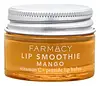
This smoothing lip moisturizer is formulated around Butyrospermum Parkii Butter and Tetrahexyldecyl Ascorbate to refine skin texture and hydrate lips.
This hydrating lip mask is formulated around Bis-Diglyceryl Polyacyladipate-2 and Tocopherol to hydrate lips and strengthen the lip barrier.

What's inside
What's inside
 Key Ingredients
Benefits
Concerns
Ingredients Side-by-side
Hydrogenated Polyisobutene
EmollientDiisostearyl Malate
EmollientPhytosteryl/Isostearyl/Cetyl/Stearyl/Behenyl Dimer Dilinoleate
Skin Conditioning

Caprylic/Capric Triglyceride
Masking


Polybutene
Aroma


Mangifera Indica Seed Butter
Skin Conditioning
Synthetic Wax
Abrasive

Ethylene/Propylene/Styrene Copolymer
Euphorbia Cerifera Wax
Brassica Campestris/Aleurites Fordi Oil Copolymer
Skin Conditioning
Butyrospermum Parkii Butter
Skin Conditioning

Tetrahexyldecyl Ascorbate
Antioxidant






Palmitoyl Tripeptide-1
Skin Conditioning

Pyrus Malus Fruit Extract
Skin Conditioning
Glycerin
Humectant
Helianthus Annuus Seed Oil
Emollient
Alkanna Tinctoria Root Extract
Skin ConditioningUbiquinone
Antioxidant
Tocopherol
Antioxidant

Tribehenin
Emollient
Ethylhexyl Palmitate
Emollient
Glyceryl Caprylate
EmollientMalic Acid
Buffering

Lactic Acid
Buffering
Sorbitan Isostearate
Emulsifying
Pentaerythrityl Tetra-Di-T-Butyl Hydroxyhydrocinnamate
Antioxidant
Butylene/Ethylene/Styrene Copolymer
Limonene
Perfuming
Linalool
Perfuming
Citral
Perfuming
Hydrogenated Polyisobutene, Diisostearyl Malate, Phytosteryl/Isostearyl/Cetyl/Stearyl/Behenyl Dimer Dilinoleate, Caprylic/Capric Triglyceride, Polybutene, Aroma, Mangifera Indica Seed Butter, Synthetic Wax, Ethylene/Propylene/Styrene Copolymer, Euphorbia Cerifera Wax, Brassica Campestris/Aleurites Fordi Oil Copolymer, Butyrospermum Parkii Butter, Tetrahexyldecyl Ascorbate, Palmitoyl Tripeptide-1, Pyrus Malus Fruit Extract, Glycerin, Helianthus Annuus Seed Oil, Alkanna Tinctoria Root Extract, Ubiquinone, Tocopherol, Tribehenin, Ethylhexyl Palmitate, Glyceryl Caprylate, Malic Acid, Lactic Acid, Sorbitan Isostearate, Pentaerythrityl Tetra-Di-T-Butyl Hydroxyhydrocinnamate, Butylene/Ethylene/Styrene Copolymer, Limonene, Linalool, Citral
Polybutene
Hydrogenated Polydecene
EmollientBis-Diglyceryl Polyacyladipate-2
Emollient
Ricinus Communis Seed Oil
Masking
Caprylic/Capric Triglyceride
Masking
Hydrogenated Styrene/Isoprene Copolymer
Polyethylene
Abrasive
Silica
Abrasive
Cocos Nucifera Oil
Masking
Malpighia Punicifolia Fruit Extract
Antioxidant
Punica Granatum Flower Extract
Skin Conditioning
Punica Granatum Sterols
Skin Conditioning
Tocopherol
Antioxidant
Tocopheryl Acetate
Antioxidant
Simmondsia Chinensis Seed Oil
Emollient
Aroma
Pentaerythrityl Tetra-Di-T-Butyl Hydroxyhydrocinnamate
Antioxidant
Polyglyceryl-3 Diisostearate
Emulsifying
Dicalcium Phosphate
Abrasive
Phenoxyethanol
Preservative
CI 77891
Cosmetic ColorantCI 19140
Cosmetic ColorantCI 77491
Cosmetic ColorantPolybutene, Hydrogenated Polydecene, Bis-Diglyceryl Polyacyladipate-2, Ricinus Communis Seed Oil, Caprylic/Capric Triglyceride, Hydrogenated Styrene/Isoprene Copolymer, Polyethylene, Silica, Cocos Nucifera Oil, Malpighia Punicifolia Fruit Extract, Punica Granatum Flower Extract, Punica Granatum Sterols, Tocopherol, Tocopheryl Acetate, Simmondsia Chinensis Seed Oil, Aroma, Pentaerythrityl Tetra-Di-T-Butyl Hydroxyhydrocinnamate, Polyglyceryl-3 Diisostearate, Dicalcium Phosphate, Phenoxyethanol, CI 77891, CI 19140, CI 77491
Reviews
Ingredients Explained
These ingredients are found in both products.
Ingredients higher up in an ingredient list are typically present in a larger amount.
Aroma refers to an ingredient, or mixture of ingredients, that impart or mask a flavor.
The name is slightly confusing. This is because INCI associates aroma with flavor instead of smell.
Here is the official definition from the The International Cosmetic Ingredient Dictionary and Handbook:
“Aroma is a term for ingredient labeling used to identify that a product contains a material or combination of materials normally added to a cosmetic to produce or to mask a particular flavor.”
INCI shows the only purpose of aroma to be "flavouring".
However, due to regulation differences, some companies may use aroma in place of parfum.
In Canada, this ingredient only has to be listed in concentrations above 1%.
Learn more about AromaCaprylic/Capric Triglyceride (aka MCT Oil) is a lightweight emollient, solvent, and texture enhancer. It is considered a skin-softener by helping to prevent moisture loss.
Though it behaves like an oil, it is not technically one due to its chemical composition. One perk of this ingredient is that it is very stable, resistant to oxidation, and unlikely to go rancid.
In practice, that translates to a long shelf life and a consistently elegant skin feel.
While there is an assumption Caprylic Triglyceride can clog pores due to it being derived from coconut oil, there is no research supporting this. Just patch test if you have concerns.
Fractionated coconut oil and MCT Oil are both listed as Caprylic/Capric Triglyceride according to INCI. This is because INCI names are based on the ingredient’s final chemical composition and not its marketing name or source.
This ingredient is treated as the gold standard fungal acne safe oil. Even though it is coconut derived, the problematic lauric acid is stripped out.
This leaves just caprylic (C8) and capric (C10) acid. These chain lengths actually trend antifungal; a 2020 study found caprylic acid was enough to disrupt Malassezia furfur cell membrane, with a caprylic acid derivative damaging membrane structures at concentrations as low as 0.2%.
Learn more about Caprylic/Capric TriglyceridePentaerythrityl Tetra-Di-T-Butyl Hydroxyhydrocinnamate (long name, huh?) is a synthetic antioxidant.
It is used to help stabilize other antioxidants or prevent the color from changing in a product.
As an antioxidant, it helps fight free-radical molecules. Free-radical molecules are capable of damaging our cells and other genetic material. Thus, antioxidants may reduce the signs of aging.
This ingredient is oil-soluble.
Learn more about Pentaerythrityl Tetra-Di-T-Butyl HydroxyhydrocinnamatePolybutene is used to help control the viscosity of a product. This just means it helps adjusts the texture.
It is a polymer and does not get absorbed into the skin due to its large size.
Studies found this ingredient did not irritate skin in concentrations below 15%.
Learn more about PolybuteneTocopherol is a fat-soluble antioxidant known as Vitamin E.
You'll find this ingredient in the vast majority of skincare (for good reason). It works to neutralize free radicals, or unstable molecules generated by UV exposure, pollution, and other environmental stressors, before they can cause oxidative damage to your skin cells.
Topically applied tocopherol has been shown to protect against UV damage by ramping up the skin's own natural defense enzymes.
It also acts as a skin conditioning agent; some studies show that regular topical use can improve the skin's water-binding capacity over 2-4 weeks.
This ingredient is especially loved for being a team player. When combined with Vitamin C, the photoprotective effect of both ingredients roughly doubles and the combo also helps reduce UV-induced DNA damage.
This ingredient has some brightening potential but it's more of a prevention ingredient than spot-fader. Cell studies show it can slow down melanin production but it's worth noting that it's not the most powerful brightener out there.
In formulations, it also serves as a stabilizer that helps protect other oxidation-prone ingredients from degrading.
Concentrations usually range from 0.1-1% in most leave-on products.
Learn more about Tocopherol

