
What's inside
What's inside
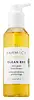 Key Ingredients
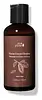
No key ingredients
Benefits
Concerns
No concerns
Ingredients Side-by-side
Water
Skin ConditioningSodium Lauroyl Methyl Isethionate
CleansingCocamidopropyl Hydroxysultaine
Cleansing
Chamomilla Recutita Flower Water
MaskingDecyl Glucoside
Cleansing
Maltooligosyl Glucoside
Skin ConditioningLauryl Glucoside
CleansingGlycerin
Humectant


Hydrogenated Starch Hydrolysate
HumectantEchinacea Purpurea Root Extract
MoisturisingHoney Extract
Humectant
Propolis Extract
Skin Conditioning



Royal Jelly Extract
Skin Conditioning
Hydrolyzed Sodium Hyaluronate
Skin Conditioning
Calendula Officinalis Flower Extract
Masking
Glycyrrhiza Glabra Root Extract
Bleaching

Aloe Barbadensis Leaf Juice
Skin Conditioning
Melia Azadirachta Leaf Extract
Skin ConditioningLavandula Angustifolia Oil
Masking



Lavandula Hybrida Oil
Emollient
Curcumin
Antioxidant
Curcuma Longa Root Extract
Masking
Betaine
Humectant
Sodium PCA
Humectant
Disodium Cocoyl Glutamate
Cleansing
Sodium Cocoyl Glutamate
Cleansing
Citric Acid
Buffering

Sodium Benzoate
Masking
Abies Sibirica Oil
Masking
Cymbopogon Martini Oil
Masking
Pelargonium Graveolens Oil
Masking
Pogostemon Cablin Leaf Oil
Masking
Caramel
Cosmetic ColorantAnthemis Nobilis Flower Oil
Masking
Ocimum Basilicum Flower/Leaf Extract
TonicOcimum Sanctum Leaf Extract
Skin ConditioningMelia Azadirachta Flower Extract
Skin ConditioningCorallina Officinalis Extract
Skin Conditioning
Aroma

Potassium Sorbate
Preservative
Maltodextrin
Absorbent
Trisodium Ethylenediamine Disuccinate
Sodium Chloride
MaskingSodium Phytate
Propanediol
Solvent
Linalool
Perfuming
Water, Sodium Lauroyl Methyl Isethionate, Cocamidopropyl Hydroxysultaine, Chamomilla Recutita Flower Water, Decyl Glucoside, Maltooligosyl Glucoside, Lauryl Glucoside, Glycerin, Hydrogenated Starch Hydrolysate, Echinacea Purpurea Root Extract, Honey Extract, Propolis Extract, Royal Jelly Extract, Hydrolyzed Sodium Hyaluronate, Calendula Officinalis Flower Extract, Glycyrrhiza Glabra Root Extract, Aloe Barbadensis Leaf Juice, Melia Azadirachta Leaf Extract, Lavandula Angustifolia Oil, Lavandula Hybrida Oil, Curcumin, Curcuma Longa Root Extract, Betaine, Sodium PCA, Disodium Cocoyl Glutamate, Sodium Cocoyl Glutamate, Citric Acid, Sodium Benzoate, Abies Sibirica Oil, Cymbopogon Martini Oil, Pelargonium Graveolens Oil, Pogostemon Cablin Leaf Oil, Caramel, Anthemis Nobilis Flower Oil, Ocimum Basilicum Flower/Leaf Extract, Ocimum Sanctum Leaf Extract, Melia Azadirachta Flower Extract, Corallina Officinalis Extract, Aroma, Potassium Sorbate, Maltodextrin, Trisodium Ethylenediamine Disuccinate, Sodium Chloride, Sodium Phytate, Propanediol, Linalool
Ingredients Explained
These ingredients are found in both products.
Ingredients higher up in an ingredient list are typically present in a larger amount.
Aroma refers to an ingredient, or mixture of ingredients, that impart or mask a flavor.
The name is slightly confusing. This is because INCI associates aroma with flavor instead of smell.
Here is the official definition from the The International Cosmetic Ingredient Dictionary and Handbook:
“Aroma is a term for ingredient labeling used to identify that a product contains a material or combination of materials normally added to a cosmetic to produce or to mask a particular flavor.”
INCI shows the only purpose of aroma to be "flavouring".
However, due to regulation differences, some companies may use aroma in place of parfum.
In Canada, this ingredient only has to be listed in concentrations above 1%.
Learn more about AromaDecyl Glucoside is a plant-derived surfactant and emulsion stabilizer. It is created by reacting glucose with the fatty acids from plants.
Like all surfactants, it works by lowering the surface tension between water and oil. This makes it so that dirt, sebum, and makeup can be lifted off your skin and rinsed away. It also produces a dense and creamy foam.
Because it has a neutral charge, it is compatible with a wide range of ingredients and stays stable across a broad pH range/water hardiness conditions.
Patch testing has shown it to have the lowest irritation potential among common cleansing surfactants (like SLS).
Typical use levels range from 5-20% in rinse-off cleansers.
One thing worth knowing: The American Contact Dermatitis Society named the parent family, alkyl glucosides, "Allergen of the Year" in 2017. The prevalence of allergy is pretty low but be sure to patch test if you've reacted to "gentle" or sulfate-free cleansers before.
This ingredient is fungal acne safe because the fatty alcohol portion of this ingredient is not within the C11-24 chain length that Malassezia can metabolize.
Learn more about Decyl GlucosideGlycerin (or glycerol) is a compound naturally found in your skin. It's a powerhouse humectant that pulls water into the stratum corneum.
Topically, glycerin does several things at once:
Your skin makes glycerin on its own (mostly from sebaceous oil breakdown) and shuttles it to your outermost layer of skin, or your epidermis, via aquaporin-3.
Aquaporin-3 is a transporter that is essential for normal skin hydration, elasticity, and repair. Interestingly, mice lacking in AQP3 have dry and less elastic skin that can be fully corrected with glycerin.
This ingredient is non-irritating, plays well with almost every ingredient, and works across all skin types. Typical use is anywhere between 3-10% but can go up to 79% in some leave-on products.
Just know very high concentrations (>40%) can feel tacky in low humidity.
Glycerin is the name for this ingredient in American English. British English uses Glycerol/Glycerine.
Learn more about Glycerin

