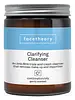
This acne exfoliator is formulated around Glycolic Acid and Salicylic Acid to clear breakouts and refine skin texture.
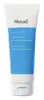
This salicylic acid gel cleanser is formulated around Salicylic Acid to clear breakouts and unclog pores.


What's inside
What's inside
 Key Ingredients
Benefits
Concerns
Ingredients Side-by-side
Water
Skin ConditioningGlycolic Acid 4%
Buffering











Cetyl Alcohol
Emollient


Glyceryl Stearate
Emollient
Cocamidopropyl Dimethylamine
Emulsifying
Prunus Armeniaca Kernel Oil
Masking



Salicylic Acid 2%
Masking


Polyglyceryl-6 Stearate
Emollient
Sodium Glycolate
BufferingPrunus Amygdalus Dulcis Oil
Skin Conditioning
Persea Gratissima Oil
Skin Conditioning
Lactic Acid 1%
Buffering
Sodium Lactate
Buffering
Sodium Salicylate
Preservative
Cetyl Hydroxyethylcellulose
Emulsion StabilisingPolyglyceryl-6 Behenate
Emulsion Stabilising
Xanthan Gum
EmulsifyingCitrus Nobilis Peel Oil 0.97%
Masking
Water, Glycolic Acid 4%, Cetyl Alcohol, Glyceryl Stearate, Cocamidopropyl Dimethylamine, Prunus Armeniaca Kernel Oil, Salicylic Acid 2%, Polyglyceryl-6 Stearate, Sodium Glycolate, Prunus Amygdalus Dulcis Oil, Persea Gratissima Oil, Lactic Acid 1%, Sodium Lactate, Sodium Salicylate, Cetyl Hydroxyethylcellulose, Polyglyceryl-6 Behenate, Xanthan Gum, Citrus Nobilis Peel Oil 0.97%
Salicylic Acid 1.5%
Masking
Water
Skin ConditioningSodium C14-16 Olefin Sulfonate
Cleansing
Cocamidopropyl Betaine
Cleansing
Citric Acid
Buffering
Urea
Buffering

Yeast Amino Acids
HumectantTrehalose
Humectant
Inositol
Humectant
Taurine
BufferingBetaine
Humectant
Camellia Sinensis Leaf Extract
Antimicrobial

Menthol
Masking
Hydrolyzed Corn Starch Octenylsuccinate
AbsorbentGlycerin
Humectant
PPG-26-Buteth-26
Skin ConditioningPEG-40 Hydrogenated Castor Oil
Emulsifying
PEG-150 Distearate
Emulsifying
Acrylates Copolymer
Cocamidopropyl Dimethylamine
Emulsifying
Glyceryl Stearate
Emollient
Tetrasodium Glutamate Diacetate
ChelatingSodium Hydroxide
BufferingLeuconostoc/Radish Root Ferment Filtrate
Antimicrobial
Potassium Sorbate
Preservative
Sodium Benzoate
Masking
Benzoic Acid
Masking
Phenoxyethanol
Preservative
Limonene
Perfuming
Parfum
Masking
Salicylic Acid 1.5%, Water, Sodium C14-16 Olefin Sulfonate, Cocamidopropyl Betaine, Citric Acid, Urea, Yeast Amino Acids, Trehalose, Inositol, Taurine, Betaine, Camellia Sinensis Leaf Extract, Menthol, Hydrolyzed Corn Starch Octenylsuccinate, Glycerin, PPG-26-Buteth-26, PEG-40 Hydrogenated Castor Oil, PEG-150 Distearate, Acrylates Copolymer, Cocamidopropyl Dimethylamine, Glyceryl Stearate, Tetrasodium Glutamate Diacetate, Sodium Hydroxide, Leuconostoc/Radish Root Ferment Filtrate, Potassium Sorbate, Sodium Benzoate, Benzoic Acid, Phenoxyethanol, Limonene, Parfum
Reviews
Ingredients Explained
These ingredients are found in both products.
Ingredients higher up in an ingredient list are typically present in a larger amount.
Cocamidopropyl Dimethylamine comes from the fatty acids of coconut oil. It is an emulsifier, meaning it helps stabilize and mix ingredients.
This ingredient can be irritating in higher amounts and is related to Cocamidopropyl Betaine.
Glyceryl Stearate is made by reacting glycerin with stearic acid (typically sourced from plant oils like palm or coconut). It's an emulsifier, emollient, and mild occlusive.
Emulsifiers help ingredients like oil and water stay mixed so your formula stays nicely blended and uniform in texture.
This ingredient is typically used in concentrations between 1-10%. Studies have found it to be non-sensitizing, non-phototoxic, and non-photoallergenic.
A close cousin of this ingredient is Glyceryl Stearate SE ("self-emulsifying"). This just has a small amount of sodium or potassium stearate added so it can emulsify without a co-emulsifier.
Since this ingredient is an ester of a C18 fatty acid, it may not be fungal acne safe. The Malassezia yeast can potentially metabolize within the C11-C24 range.
Fun fact: The human body also creates Glyceryl Stearate naturally.
Learn more about Glyceryl StearateSalicylic Acid (also known as beta hydroxy acid or BHA) is a well-known ingredient for treating skin that struggles with acne and clogged pores. It exfoliates both the skin's surface and deep within the pores to help clear out buildup, control oil, and reduce inflammation.
Unlike AHAs (alpha hydroxy acids), salicylic acid is oil-soluble. This allows it to penetrate into pores which makes it especially effective for treating blackheads and preventing future breakouts.
Salicylic acid is also known for its soothing properties. It has a similar structure to aspirin and can calm inflamed or irritated skin, making it a good option for acne-prone skin that is also sensitive.
Concentrations of 0.5-2% are recognized by the U.S. FDA as an over-the-counter topical acne product.
It can cause irritation and/or dryness if one's skin already has a compromised moisture barrier, so it's best to focus on repairing that before introducing this ingredient into your routine.
While salicylic acid does not increase sun sensitivity, it’s still important to wear sunscreen daily to protect your skin.
If you are looking for the ingredient called BHA or Butylated Hydroxyanisole, click here.
Learn more about Salicylic AcidWater. It's the most common cosmetic ingredient of all. You'll usually see it at the top of ingredient lists, meaning that it makes up the largest part of the product.
So why is it so popular? Water most often acts as a solvent - this means that it helps dissolve other ingredients into the formulation.
You'll also recognize water as that liquid we all need to stay alive. If you see this, drink a glass of water. Remember to stay hydrated!
Learn more about Water

