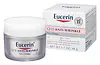
This anti-aging moisturizer is formulated around Butyrospermum Parkii Butter and Ubiquinone to soften the look of wrinkles and hydrate skin.
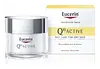
This anti-aging day moisturizer is formulated around Ubiquinone and Sodium Ascorbyl Phosphate to soften the look of wrinkles and brighten dull-looking skin.

What's inside
What's inside
 Key Ingredients
Benefits
Concerns
Ingredients Side-by-side
Water
Skin ConditioningGlycerin
Humectant


Ethylhexyl Cocoate
Emollient




Hydrogenated Coco-Glycerides
Emollient
Stearyl Alcohol
Emollient
Butylene Glycol
Humectant
Cetyl Alcohol
Emollient
Caprylic/Capric Triglyceride
Masking
Butyrospermum Parkii Butter
Skin Conditioning

Glyceryl Stearate Citrate
Emollient
Octyldodecanol
Emollient
Tocopheryl Acetate
Antioxidant


Ubiquinone
Antioxidant
Biotin
AntiseborrhoeicBiosaccharide Gum-1
Humectant
Sodium Ascorbyl Phosphate
Antioxidant



Zea Mays Oil
Emulsifying

Beta-Carotene
Skin ConditioningTocopherol
Antioxidant
1,2-Hexanediol
Skin Conditioning
Carbomer
Emulsion StabilisingSodium Hydroxide
BufferingTrisodium EDTA
ChelatingDehydroacetic Acid
Preservative
Phenoxyethanol
Preservative
Water, Glycerin, Ethylhexyl Cocoate, Hydrogenated Coco-Glycerides, Stearyl Alcohol, Butylene Glycol, Cetyl Alcohol, Caprylic/Capric Triglyceride, Butyrospermum Parkii Butter, Glyceryl Stearate Citrate, Octyldodecanol, Tocopheryl Acetate, Ubiquinone, Biotin, Biosaccharide Gum-1, Sodium Ascorbyl Phosphate, Zea Mays Oil, Beta-Carotene, Tocopherol, 1,2-Hexanediol, Carbomer, Sodium Hydroxide, Trisodium EDTA, Dehydroacetic Acid, Phenoxyethanol
Water
Skin ConditioningGlycerin
Humectant
Ethylhexyl Cocoate
Emollient
Cetyl Alcohol
Emollient
Hydrogenated Coco-Glycerides
Emollient
Stearyl Alcohol
Emollient
Butylene Glycol
Humectant
Caprylic/Capric Triglyceride
Masking
Butyrospermum Parkii Butter
Skin Conditioning
Glyceryl Stearate Citrate
Emollient
Octyldodecanol
Emollient
Ubiquinone
Antioxidant
Tocopheryl Acetate
Antioxidant
Biotin
AntiseborrhoeicBiosaccharide Gum-1
Humectant
Sodium Ascorbyl Phosphate
Antioxidant
Carbomer
Emulsion StabilisingSodium Hydroxide
BufferingTrisodium EDTA
ChelatingTocopherol
Antioxidant
Zea Mays Oil
Emulsifying
CI 40800
Cosmetic Colorant1,2-Hexanediol
Skin Conditioning
Dehydroacetic Acid
Preservative
Phenoxyethanol
Preservative
Water, Glycerin, Ethylhexyl Cocoate, Cetyl Alcohol, Hydrogenated Coco-Glycerides, Stearyl Alcohol, Butylene Glycol, Caprylic/Capric Triglyceride, Butyrospermum Parkii Butter, Glyceryl Stearate Citrate, Octyldodecanol, Ubiquinone, Tocopheryl Acetate, Biotin, Biosaccharide Gum-1, Sodium Ascorbyl Phosphate, Carbomer, Sodium Hydroxide, Trisodium EDTA, Tocopherol, Zea Mays Oil, CI 40800, 1,2-Hexanediol, Dehydroacetic Acid, Phenoxyethanol
Ingredients Explained
These ingredients are found in both products.
Ingredients higher up in an ingredient list are typically present in a larger amount.
1,2-Hexanediol is a synthetic liquid and another multi-functional powerhouse.
It is a:
- Humectant, drawing moisture into the skin
- Emollient, helping to soften skin
- Solvent, dispersing and stabilizing formulas
- Preservative booster, enhancing the antimicrobial activity of other preservatives
Biosaccharide Gum-1 is a sugar created by fermenting sorbitol (which usually comes from potato starch!). It is known for its soothing and moisturizing properties.
Manufacturer tests show this ingredient helped reduce irritation from lactic acid by almost half and kept skin hydrated long-term as a humectant
Beyond hydration, Biosaccharide Gum-1 gives formulas a silky, non-sticky feel.
This ingredient is gentle, versatile, and suitable for all skin types.
Fun fact: Similar sugars can be found naturally in fruits like apples and pears.
Learn more about Biosaccharide Gum-1Biotin is a B vitamin that is naturally produced by our bodies. It is also called Vitamin H.
Our bodies use biotin in the metabolism process. It also helps our bodies use enzymes and move nutrients around. A biotin deficiency can lead to brittle hair and nails.
More research is needed on applying biotin topically. However, taking biotin orally has been shown to help nourish the skin, hair, and nails. They play a role in forming skin-hydrating fatty acids.
Biotin is water-soluble. It can be found in foods such as fish, eggs, dairy, nuts, and meat. Vitamin H stands for "haar" and "haut". These are the German words for hair and skin.
Learn more about BiotinButylene Glycol (or BG) is used within cosmetic products for a few different reasons:
Overall, Butylene Glycol is a safe and well-rounded ingredient that works well with other ingredients.
Though this ingredient works well with most skin types, some people with sensitive skin may experience a reaction such as allergic rashes, closed comedones, or itchiness.
Learn more about Butylene GlycolThis ingredient is also known as shea butter. It is a plant-derived extract from the nuts of the Africa shea tree and one of the most well-studied emollients.
Because it has a high concentration of fatty acids (primarily oleic, stearic, and linoleic) it is able to form a protective barrier on the skin's surface. This helps seal in moisture and prevents transepidermal water loss (TEWL).
In vitro research found an increase in skin hydration by 58% and a decrease in TEWL by 37.8% after 24 hours of applying this ingredient (pretty impressive for a single ingredient!).
Besides hydration, shea butter also contains triterpenes that have anti-inflammatory potential. In particule, lupeol cinnamate has shown the highest anti-inflammatory activity in vivo.
Shea butter also contains vitamins A and E which may contribute to antioxidant activity.
While Shea Butter has an SPF rating of about 3-4, it is not a sunscreen replacement.
This ingredient may not be fungal acne safe because its fatty acids fall within the C11-C24 range that the Malassezia yeast can metabolize.
This ingredient shows up on a lot of "pore-clogging" lists but there's no real evidence behind that. It doesn't even have a comedogenic rating from an actual study; the numbers you'll find online come from blogs citing other blogs.
Ratings for other ingredients mostly come from a 1980s rabbit ear test. This test doesn't translate well to human skin or to real products because the ingredient sits at a much lower percentage.
Some people still find it breaks them out. So if that's you, definitely trust your skin. Just know this one's based on experience and not evidence.
Learn more about Butyrospermum Parkii ButterCaprylic/Capric Triglyceride (aka MCT Oil) is a lightweight emollient, solvent, and texture enhancer. It is considered a skin-softener by helping to prevent moisture loss.
Though it behaves like an oil, it is not technically one due to its chemical composition. One perk of this ingredient is that it is very stable, resistant to oxidation, and unlikely to go rancid.
In practice, that translates to a long shelf life and a consistently elegant skin feel.
While there is an assumption Caprylic Triglyceride can clog pores due to it being derived from coconut oil, there is no research supporting this. Just patch test if you have concerns.
Fractionated coconut oil and MCT Oil are both listed as Caprylic/Capric Triglyceride according to INCI. This is because INCI names are based on the ingredient’s final chemical composition and not its marketing name or source.
This ingredient is treated as the gold standard fungal acne safe oil. Even though it is coconut derived, the problematic lauric acid is stripped out.
This leaves just caprylic (C8) and capric (C10) acid. These chain lengths actually trend antifungal; a 2020 study found caprylic acid was enough to disrupt Malassezia furfur cell membrane, with a caprylic acid derivative damaging membrane structures at concentrations as low as 0.2%.
Learn more about Caprylic/Capric TriglycerideCarbomer is a synthetic thickening and gelling agent. It's basically the ingredient that gives a lot of serums, gels, creams, and sunscreens their smooth, non-sticky texture.
Although legally permitted at very high levels, carbomers are normally used at concentrations below 1%.
It also needs to be neutralized to actually thicken, and because it is a large molecule, it doesn't really penetrate the skin barrier.
Allergy-wise, the risk is very low. Clinical studies show carbomers have low potential for skin irritation/sensitization even at concentrations up to 100%.
A 2024 UK study patch-tested 1,302 patients and found true allergy to the parent group of carbomer to be rare with no confirmed relevant reactions.
Learn more about CarbomerCetyl Alcohol is a fatty alcohol. Fatty Alcohols are most often used as an emollient or to thicken a product.
Its main roles are:
Though it has "alcohol" in the name, it is not related to denatured alcohol or ethyl alcohol.
The FDA allows products labeled "alcohol-free" to have fatty alcohols.
This ingredient may not be fungal acne safe. It is a primary fatty alcohol with a chain length above 12 carbons. A study from 2019 show Malassezia can feed on fatty alcohols in this range, so it may trigger fungal acne in those prone to it.
Learn more about Cetyl AlcoholDehydroacetic Acid is a synthetic preservative that keeps your products safe from microbes.
As an organic acid, it penetrates microbial cell walls and disrupts cellular metabolism. This makes it effective against bacteria, yeast, and mold.
It is effective at low concentrations (<0.6%). Clinical studies have found it to be non-irritating, non-sensitizing, and non-photosensitizing.
Learn more about Dehydroacetic AcidEthylhexyl Cocoate is created from 2-ethylhexanol and Coconut Acid. Coconut Acid is created from the fatty acids derived from Coconut Oil.
As an emollient, Ethylhexyl Cocoate helps soften and hydrate your skin. Emollients create a thin film on top of skin that traps moisture in.
Glycerin (or glycerol) is a compound naturally found in your skin. It's a powerhouse humectant that pulls water into the stratum corneum.
Topically, glycerin does several things at once:
Your skin makes glycerin on its own (mostly from sebaceous oil breakdown) and shuttles it to your outermost layer of skin, or your epidermis, via aquaporin-3.
Aquaporin-3 is a transporter that is essential for normal skin hydration, elasticity, and repair. Interestingly, mice lacking in AQP3 have dry and less elastic skin that can be fully corrected with glycerin.
This ingredient is non-irritating, plays well with almost every ingredient, and works across all skin types. Typical use is anywhere between 3-10% but can go up to 79% in some leave-on products.
Just know very high concentrations (>40%) can feel tacky in low humidity.
Glycerin is the name for this ingredient in American English. British English uses Glycerol/Glycerine.
Learn more about GlycerinGlyceryl Stearate Citrate is a citric acid ester of glyceryl stearate.
It is an emulsifier, emollient, and a surfactant.
Emulsifiers help stabilize a product. It does this by preventing certain ingredients from separating. Common ingredients include oils and water, which do not mix naturally. Emulsifiers have properties that help keep ingredients such as these together.
Emollients help soothe and soften the skin. They do this by creating a protective film on your skin. This barrier helps trap moisture and keeps your skin hydrated. Emollients may be effective at treating dry or itchy skin.
Surfactants help gather oils, dirt, and other pollutants from the skin. This helps them to be easily rinsed away.
Learn more about Glyceryl Stearate CitrateHydrogenated Coco-Glycerides isn't fungal acne safe.
Octyldodecanol is a fatty alcohol sourced from plant oils like coconut or palm (or made synthetically).
It is:
You'll likely see this in many BHA products because this is the go-to solvent for salicylic acid.
This ingredient is typically used at levels between 2-20%.
Regarding fungal acne:
In 2019, this ingredient was tested against multiple Malassezia species (the yeast that causes fungal acne) and showed no growth.
Phenoxyethanol is one of the most widely used preservatives in skincare (and for good reason!).
It has a large spectrum of antimicrobial activity and especially effective bacteria, yeast, and mold while only having a weak effect on your skin's natural microbiome.
On a cellular level, it disrupts the cell membranes of microbes by poking holes that make the cell leak. This shuts down the chemical reactions the microbe needs to make energy so it can no longer survive.
Another perk of this ingredient is that it stays functional across a wide pH range (3-10).
You'll often see it paired with boosters like Ethylhexylglycerin; one study showed that a 1:9 ratio of Ethylhexylglycerin to Phenoxyethanol damages bacterial membranes as effectively as doubling the Phenoxyethanol concentration on its own.
Typical use concentrations range from 0.3-1% depending on the formula, and this ingredient is capped at 1% int the EU.
Safety-wise, the fear mongering does not hold up to the evidence. The EU's Scientific Committee on Consumer Safety and FDA consider it safe as a preservative at up to 1%, including for children of all ages.
Adverse systemic effects only showed up in animal studies at exposures roughly 200x higher than what people get from cosmetics. And despite its very widespread use, this ingredient is a rare sensitizer and allergic reactions are uncommon.
Learn more about PhenoxyethanolSodium Ascorbyl Phosphate (SAP) is a water-soluble form of Vitamin C. It is the salt of ascorbic acid.
This ingredient is commonly used in skincare because it's more formulation-stable while still offering the same benefits as pure ascorbic acid. Ascorbic acid is notorious for breaking down when exposed to sunlight and oxygen whereas SAP has been shown to be more stable.
Studies show SAP has anti-acne and antioxidant benefits. One study found 5% of SAP lotion to be an effective ingredient for treating acne vulgaris. This is because research shows that SAP may help control acne by reducing acne-causing bacteria and slowing the oxidation of skin oils caused by UV exposure.
In addition to acne, vitamin C is important for skin structure. Lab studies suggest SAP may support collagen production in skin cells, making it a great ingredient in anti-aging routines.
Vitamin C has many benefits: it helps reduce redness, improve skin texture, fade the appearance of dark spots, and brighten the skin.
Read more about other types of Vitamin C:
Learn more about Sodium Ascorbyl PhosphateSodium Hydroxide is also known as lye or caustic soda. It is used to adjust the pH of products; many ingredients require a specific pH to be effective.
In small amounts, sodium hydroxide is considered safe to use. However, large amounts may cause chemical burns due to its high alkaline.
Your skin has a natural pH and acid mantle. This acid mantle helps prevent harmful bacteria from breaking through. The acid mantle also helps keep your skin hydrated.
"Alkaline" refers to a high pH level. A low pH level would be considered acidic.
Learn more about Sodium HydroxideStearyl Alcohol is a type of fatty alcohol from stearic acid. It is a white, waxy compound used to emulsify ingredients used as an emollient or to thicken a product.
Emollients help soothe and hydrate the skin by trapping moisture.
Fatty alcohols are usually derived from natural fats and oils and therefore do not have the same drying or irritating effect as solvent (ethanol) alcohols.
The FDA allows products labeled "alcohol-free" to have fatty alcohols.
This ingredient may not be fungal acne safe. It is a primary fatty alcohol with a chain length above 12 carbons. A study from 2019 show Malassezia can feed on fatty alcohols in this range, so it may trigger fungal acne in those prone to it.
Learn more about Stearyl AlcoholTocopherol is a fat-soluble antioxidant known as Vitamin E.
You'll find this ingredient in the vast majority of skincare (for good reason). It works to neutralize free radicals, or unstable molecules generated by UV exposure, pollution, and other environmental stressors, before they can cause oxidative damage to your skin cells.
Topically applied tocopherol has been shown to protect against UV damage by ramping up the skin's own natural defense enzymes.
It also acts as a skin conditioning agent; some studies show that regular topical use can improve the skin's water-binding capacity over 2-4 weeks.
This ingredient is especially loved for being a team player. When combined with Vitamin C, the photoprotective effect of both ingredients roughly doubles and the combo also helps reduce UV-induced DNA damage.
This ingredient has some brightening potential but it's more of a prevention ingredient than spot-fader. Cell studies show it can slow down melanin production but it's worth noting that it's not the most powerful brightener out there.
In formulations, it also serves as a stabilizer that helps protect other oxidation-prone ingredients from degrading.
Concentrations usually range from 0.1-1% in most leave-on products.
Learn more about TocopherolTocopheryl Acetate is a stable, shelf-friendly form of vitamin E.
Formulators love it because plain vitamin E oxidizes quickly once it hits air. This acetate version stays stable and resists going off, helping to extend a product's shelf life.
It's actually inactive on its own and works like a slow-release "storage" form; the enzymes in your skin called esterases gradually convert it into active vitamin E over time.
One in vivo study showed 5% of the acetate in the living layer of the epidermis converted to vitamin E after 5 days of application. This study also found the skin gained protection against UV damage even though the conversion was slow and small.
Once converted, vitamin E acts as a skin's main fat-soluble antioxidant that fights free radicals to protect skin from damage.
Topical vitamin E generally boosts the skin's photoprotection, and it reduced UV-damage in animal models.
This ingredient has some brightening potential but it's more of a prevention ingredient than spot-fader. Cell studies show it can slow down melanin production but it's worth noting that it's not the most powerful brightener out there.
Overall, it has a pretty solid safety profile and has been found to be non-irritating and non-comedogenic. Allergic reactions may happen but stay rare due to how widely the ingredient gets used.
The concentration will vary depending on the formula; industry data shows 0.1% in baby lotions, 3% in lipsticks, and 5% in foot powders. You can also find this ingredient at 100% in a pure vitamin E oil.
Most leave-on skincare keeps it at the lower end, often between 0.5-1%.
Learn more about Tocopheryl AcetateTrisodium EDTA is one of those quietly essential helper ingredients that most people have never heard of. You'll most likely spot it near the end of ingredient lists in almost every category of skincare.
So what does it actually do?
Its main job is chelation; this is a fancy word to say it grabs onto metal ions and neutralizes them. This is because even purified water in cosmetics contains trace amounts of metals that can cause big problems in a formula.
These trace metals can break down actives faster, cause discoloration, promote rancidity in oils, and make preservatives less effective. Trisodium EDTA binds to these metals and takes them out of the equation so your products can stay stable and effective for longer.
There's also an added bonus: by neutralizing the metals ions that bacteria need to thrive, this ingredient also acts as a preservative booster.
The Cosmetic Ingredient Review has concluded this ingredient to be safe as used in cosmetic formulations. It is not considered an irritant, sensitizer, and is barely absorbed through the skin.
Learn more about Trisodium EDTAUbiquinone (Coenzyme Q10) is a molecule already found in our bodies. It is a potent antioxidant and skin-soothing ingredient.
Aging and environmental exposure diminishes our skin's natural ubiquinone levels. This is much like our natural collagen and elastin.
The good news is: studies show applying this ingredient topically replenishes ubiquinone levels in our skin. This also comes with a ton of skin benefits. These benefits include:
Ubiquinone is considered a large molecule and cannot be absorbed into the lower layers of skin. This is why it is believed to be such an effective antioxidant: it protects our skin in the upper layers and prevents damage in the deeper layers.
When used in sunscreen, ubiquinone is shown to increase ingredient stability, increase SPF factor, and add to infrared protection.
Fun fact: ubiquinone is fat-soluble.
Learn more about UbiquinoneWater. It's the most common cosmetic ingredient of all. You'll usually see it at the top of ingredient lists, meaning that it makes up the largest part of the product.
So why is it so popular? Water most often acts as a solvent - this means that it helps dissolve other ingredients into the formulation.
You'll also recognize water as that liquid we all need to stay alive. If you see this, drink a glass of water. Remember to stay hydrated!
Learn more about WaterYes, this ingredient is corn oil. In skincare, it acts as an emollient, skin conditioner, fragrance ingredient, and emusifier.
Like most plant oils, corn oil is basically a bundle of fatty acids: linoleic (34-62%), oleic (19-49%), palmitic (8-12%) and a bit of stearic.
The ranges of the fatty acids differ so much because it varies batch to batch depending on the cultivar and the growing conditions.
In skincare, it mostly does good plant oil stuff: it softens, sits on the surface to slow water evaporation, and makes formulas feel richer.
Now the honest part. Corn oil isn't studied much in dermatology but we do know it's the go-to vehicle in lab research. So there's decades of research where corn oil was the boring control; it never produced an effect of its own but we also don't have much research on it doing something exciting for your skin.
The one thing worth talking about is linoleic. Acne-prone follicles tend to be low in linoleate and a small study found topical linoleic acid shrank microcomedones by around 25% over a month. That was pure linoleic acid and not corn oil so it should be filed under "promising theory" rather than "proven benefit".
Concentration use can be anywhere from trace amounts to about 14% (the high end shows up in cleansers, moisturizers, body creams, and masks). Corn germ oil, which is basically the same ingredient under a different INCI name, has been reported as high as 25% but most of the time you're looking at low single digits.
Corn oil itself isn't a common allergen. Allergies to actual corn are triggered by corn proteins which is mostly refined out of the oil for cosmetic use. How much of the protein removed depends on the manufacturing process, so it's always better to patch test just in case.
This ingredient does have a comedogenic rating of 0-3, but this doesn't mean a formula with this ingredient will clog pores.
Human testing has proved that any finished product with this ingredient won't automatically make you break out; it really comes down to concentration, formula, and your skin.
The Malassezia yeast can't make its own fatty acids and breaks down oils around it to feed. Lab research shows the yeast grows when fatty acids in the C11-C24 range are available. Since corn oil is almost entirely C16-C18 fatty acids, this ingredient may not be fungal acne safe.
Learn more about Zea Mays Oil

