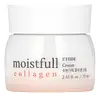
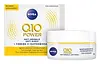
This anti-aging day moisturizer is formulated around Ubiquinone to soften the look of wrinkles.


What's inside
What's inside
 Key Ingredients
Benefits
Concerns
Ingredients Side-by-side
Hydrolyzed Collagen
Emollient

Propanediol
Solvent
Water
Skin ConditioningGlycerin
Humectant
Butylene Glycol
Humectant
Pentaerythrityl Tetraethylhexanoate
Emollient
Methyl Trimethicone
Skin Conditioning
Glyceryl Polymethacrylate
1,2-Hexanediol
Skin Conditioning
Betaine
Humectant
Hydrogenated Poly(C6-14 Olefin)
EmollientDicaprylyl Ether
Emollient
Glyceryl Stearate
Emollient

C14-22 Alcohols
Emulsion Stabilising
Ammonium Acryloyldimethyltaurate/Vp Copolymer
Glyceryl Stearate Citrate
Emollient
Hydroxyethyl Acrylate/Sodium Acryloyldimethyl Taurate Copolymer
Emulsion StabilisingArachidyl Alcohol
Emollient
Silica
Abrasive


Behenyl Alcohol
Emollient
C12-20 Alkyl Glucoside
EmulsifyingArachidyl Glucoside
EmulsifyingGlyceryl Caprylate
EmollientDisodium EDTA
Ethylhexylglycerin
Skin ConditioningSorbitan Isostearate
Emulsifying
Hydrolyzed Lupine Protein
Skin ConditioningGlucose
Humectant
Tocopherol
Antioxidant




Hydrolyzed Collagen, Propanediol, Water, Glycerin, Butylene Glycol, Pentaerythrityl Tetraethylhexanoate, Methyl Trimethicone, Glyceryl Polymethacrylate, 1,2-Hexanediol, Betaine, Hydrogenated Poly(C6-14 Olefin), Dicaprylyl Ether, Glyceryl Stearate, C14-22 Alcohols, Ammonium Acryloyldimethyltaurate/Vp Copolymer, Glyceryl Stearate Citrate, Hydroxyethyl Acrylate/Sodium Acryloyldimethyl Taurate Copolymer, Arachidyl Alcohol, Silica, Behenyl Alcohol, C12-20 Alkyl Glucoside, Arachidyl Glucoside, Glyceryl Caprylate, Disodium EDTA, Ethylhexylglycerin, Sorbitan Isostearate, Hydrolyzed Lupine Protein, Glucose, Tocopherol
Water
Skin ConditioningHomosalate
Skin Conditioning

Octocrylene
UV Absorber

Glycerin
Humectant
Cyclomethicone
Emollient
Ethylhexyl Salicylate
UV Absorber
Methylpropanediol
SolventTapioca Starch
Butyl Methoxydibenzoylmethane
UV Absorber
Phenylbenzimidazole Sulfonic Acid
UV Absorber
Behenyl Alcohol
Emollient
Cetearyl Alcohol
Emollient


Ubiquinone
Antioxidant
Creatine
Skin Conditioning1-Methylhydantoin-2-Imide
Skin ConditioningTocopheryl Acetate
Antioxidant
Xanthan Gum
Emulsifying1,2-Hexanediol
Skin Conditioning
Sodium Stearoyl Glutamate
CleansingAcrylates/C10-30 Alkyl Acrylate Crosspolymer
Emulsion StabilisingAmmonium Acryloyldimethyltaurate/Vp Copolymer
Trisodium EDTA
Sodium Chloride
MaskingSodium Hydroxide
BufferingPhenoxyethanol
Preservative
Benzyl Alcohol
Perfuming



Limonene
Perfuming
Parfum
Masking
Water, Homosalate, Octocrylene, Glycerin, Cyclomethicone, Ethylhexyl Salicylate, Methylpropanediol, Tapioca Starch, Butyl Methoxydibenzoylmethane, Phenylbenzimidazole Sulfonic Acid, Behenyl Alcohol, Cetearyl Alcohol, Ubiquinone, Creatine, 1-Methylhydantoin-2-Imide, Tocopheryl Acetate, Xanthan Gum, 1,2-Hexanediol, Sodium Stearoyl Glutamate, Acrylates/C10-30 Alkyl Acrylate Crosspolymer, Ammonium Acryloyldimethyltaurate/Vp Copolymer, Trisodium EDTA, Sodium Chloride, Sodium Hydroxide, Phenoxyethanol, Benzyl Alcohol, Limonene, Parfum
Reviews
Ingredients Explained
These ingredients are found in both products.
Ingredients higher up in an ingredient list are typically present in a larger amount.
1,2-Hexanediol is a synthetic liquid and another multi-functional powerhouse.
It is a:
- Humectant, drawing moisture into the skin
- Emollient, helping to soften skin
- Solvent, dispersing and stabilizing formulas
- Preservative booster, enhancing the antimicrobial activity of other preservatives
Ammonium Acryloyldimethyltaurate/Vp Copolymer is a synthetically created polymer. It's used as a film-forming agent and used to thicken the consistency of products.
Think of it as a supportive ingredient that helps your gel-creams feel silky, "cloud cream-like", and spread evenly without being greasy.
The Cosmetic Ingredient Review (CIR) Expert Panel evaluated it (along with 22 other acryloyldimethyltaurate polymers) and concluded it's:
Due to its large molecular size, it sits on the surface of skin rather than penetrating it.
Learn more about Ammonium Acryloyldimethyltaurate/Vp CopolymerBehenyl Alcohol is a type of fatty alcohol (these are different from the drying, solvent alcohols).
Fatty Alcohols have hydrating properties and are most often used as an emollient or to thicken a product. They are usually derived from natural fats and oils; behenyl alcohol is derived from the fats of vegetable oils.
Emollients help keep your skin soft and hydrated by creating a film that traps moisture in.
In 2000, Behenyl Alcohol was approved by the US as medicine to reduce the duration of cold sores.
Learn more about Behenyl AlcoholGlycerin (or glycerol) is a compound naturally found in your skin. It's a powerhouse humectant that pulls water into the stratum corneum.
Topically, glycerin does several things at once:
Your skin makes glycerin on its own (mostly from sebaceous oil breakdown) and shuttles it to your outermost layer of skin, or your epidermis, via aquaporin-3.
Aquaporin-3 is a transporter that is essential for normal skin hydration, elasticity, and repair. Interestingly, mice lacking in AQP3 have dry and less elastic skin that can be fully corrected with glycerin.
This ingredient is non-irritating, plays well with almost every ingredient, and works across all skin types. Typical use is anywhere between 3-10% but can go up to 79% in some leave-on products.
Just know very high concentrations (>40%) can feel tacky in low humidity.
Glycerin is the name for this ingredient in American English. British English uses Glycerol/Glycerine.
Learn more about GlycerinWater. It's the most common cosmetic ingredient of all. You'll usually see it at the top of ingredient lists, meaning that it makes up the largest part of the product.
So why is it so popular? Water most often acts as a solvent - this means that it helps dissolve other ingredients into the formulation.
You'll also recognize water as that liquid we all need to stay alive. If you see this, drink a glass of water. Remember to stay hydrated!
Learn more about Water

