Elizabeth Arden Retinol Ceramide Capsules Line Erasing Night Serum Versus Elizabeth Arden Advanced Ceramide Capsules Daily Youth Restoring Eye Serum
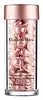
This anti-aging serum is formulated around Ceramide NP and Palmitoyl Tripeptide-1 to soften the look of wrinkles and refine skin texture.
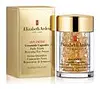
This barrier-repair eye moisturizer is formulated around Ceramide EOP and Ceramide NP to strengthen the skin barrier and soften the look of wrinkles.

What's inside
What's inside
 Key Ingredients
Benefits
Concerns
Ingredients Side-by-side
Cyclopentasiloxane
Emollient
Dimethicone Crosspolymer
Emulsion Stabilising
C12-15 Alkyl Benzoate
AntimicrobialBHT
Antioxidant
C18-36 Acid Triglyceride
EmollientCamellia Sinensis Leaf Extract
Antimicrobial






Ceramide NP
Skin Conditioning

Ceramide Ns
Skin Conditioning
Cyclohexasiloxane
Emollient
Dimethiconol
Emollient
Ethylhexyl Cocoate
Emollient




Helianthus Annuus Seed Oil
Emollient
Lauryl Methacrylate/Glycol Dimethacrylate Crosspolymer
Lecithin
Emollient
Olea Europaea Fruit Oil
Masking

Palmitoyl Tetrapeptide-7
Skin Conditioning


Palmitoyl Tripeptide-1
Skin Conditioning
Persea Gratissima Oil
Skin Conditioning
Phytosphingosine
Skin Conditioning
Phytosterols
Skin Conditioning
Polysorbate 20
Emulsifying
Propylene Glycol Dicaprylate/Dicaprate
EmollientRetinol
Skin Conditioning



Sorbitan Laurate
Emulsifying
Tetrahydrodiferuloylmethane
Antioxidant
Phenoxyethanol
Preservative
Cyclopentasiloxane, Dimethicone Crosspolymer, C12-15 Alkyl Benzoate, BHT, C18-36 Acid Triglyceride, Camellia Sinensis Leaf Extract, Ceramide NP, Ceramide Ns, Cyclohexasiloxane, Dimethiconol, Ethylhexyl Cocoate, Helianthus Annuus Seed Oil, Lauryl Methacrylate/Glycol Dimethacrylate Crosspolymer, Lecithin, Olea Europaea Fruit Oil, Palmitoyl Tetrapeptide-7, Palmitoyl Tripeptide-1, Persea Gratissima Oil, Phytosphingosine, Phytosterols, Polysorbate 20, Propylene Glycol Dicaprylate/Dicaprate, Retinol, Sorbitan Laurate, Tetrahydrodiferuloylmethane, Phenoxyethanol
Cyclopentasiloxane
Emollient
Isononyl Isononanoate
EmollientIsododecane
EmollientIsopropyl Myristate
Emollient
Isopropyl Palmitate
Emollient
Caprylic/Capric Triglyceride
Masking
Camellia Japonica Seed Oil
Emollient
Dimethicone
Emollient
Ceramide EOP
Skin Conditioning
Ceramide NP
Skin Conditioning
Ceramide AP
Skin Conditioning
Cholesterol
Emollient
Cocos Nucifera Oil
Masking
Crithmum Maritimum Extract
Skin ConditioningDimethiconol
Emollient
Dimethyl Isosorbide
SolventHumulus Lupulus Oil
Masking
Lecithin
Emollient
Medicago Sativa Extract
TonicNeoruscogenin
Skin ConditioningPalmitoyl Hexapeptide-14
Skin Conditioning
Phytosphingosine
Skin Conditioning
Polysilicone-11
Retinyl Palmitate
Skin Conditioning
Ruscogenin
Skin ConditioningSqualene
Emollient
Tocopherol
Antioxidant
Cyclopentasiloxane, Isononyl Isononanoate, Isododecane, Isopropyl Myristate, Isopropyl Palmitate, Caprylic/Capric Triglyceride, Camellia Japonica Seed Oil, Dimethicone, Ceramide EOP, Ceramide NP, Ceramide AP, Cholesterol, Cocos Nucifera Oil, Crithmum Maritimum Extract, Dimethiconol, Dimethyl Isosorbide, Humulus Lupulus Oil, Lecithin, Medicago Sativa Extract, Neoruscogenin, Palmitoyl Hexapeptide-14, Phytosphingosine, Polysilicone-11, Retinyl Palmitate, Ruscogenin, Squalene, Tocopherol
Reviews
Alternatives
Ingredients Explained
These ingredients are found in both products.
Ingredients higher up in an ingredient list are typically present in a larger amount.
Ceramide NP (formerly known as Ceramide 3) is one of the skin's naturally occurring lipids.
Since ceramides are the major lipid components of the skin, they are crucial for maintaining skin barrier and hydration. Ceramide NP most closely mirrors the dominant kind in human skin amongst ceramide subtypes.
This ceramide works by slotting into gaps within the stratum corneum's lipid matrix to limit trans-epidermal water loss (TEWL) and shield the skin against external irritants.
A study with 312 patients found that using a ceramide-containing routine for 4 weeks reduced the severity of atopic dermatitis by over 61%.
Another clinical study in subjects aged 60 and older found that a ceramide body wash and moisturizer improved skin dryness and itchy skin in 15 days.
Overall, ceramides are considered non-irritating and safety tests have found little to no observable adverse effects from using this ingredient.
Ceramide NP is usually sourced from plants (like soybean or rice bran), or produced synthetically.
Learn more about Ceramide NPCyclopentasiloxane (D5) is a lightweight silicone that mostly acts as an emollient and solvent in cosmetics. Its the reason your products feel silky, fast-spreading, and non-greasy.
Since D5 is volatile, it does its thing and then evaporates off the skin quickly.
The safety profile of this ingredient is reassuring; the US CIR Expert Panel concluded D5 is safe as used in cosmetics and Health Canada concluded that D5 is not harmful to human health or the environment as currently used in cosmetics
There's a study that people mention about D5 in a rat study showing tumors. This study is related to long-term inhalation of high D5 levels.
Regulatory bodies have judged this study to be not applicable in topical skincare since skin absorption of D5 is very low and we're not really inhaling huge amounts of D5.
The only restriction for this ingredient is environmental. The European Chemicals Agency (ECHA) restricted D5 in wash-off cosmetics at or above 0.1% due to their persistence in water.
Learn more about CyclopentasiloxaneDimethiconol is a silicone that resembles the popular dimethicone. Like other silicones, it is an emollient. Emollients create a thin film on skin to prevent moisture from escaping.
This ingredient helps to create a silky texture and improve spreadability. Due to its high molecular weight and thickness, it is often combined with cyclopentasiloxane.
Lecithin is a term for a group of substances found in the cell membranes of plants, animals, and humans. They are made up of phospholipids.
Thanks to its amphiphilic structure (water-loving head and oil-loving tail), it is a true multitasker:
It plays well with most ingredients and is typically used at 0.1-1%. However, concentrations up to 50% have been reported in moisturizers.
Learn more about LecithinPhytosphingosine is a phospholipid naturally found in our skin as a building block for ceramides.. It helps moisturize, soothe, and protect skin.
Phytosphingosine contributes to your skin's natural moisturizing factor (NMF). The NMF is responsible for hydration, a strong barrier, and plasticity. Our NMF decreases with age. Increasing NMF leads to more healthy and hydrated skin.
Studies show products formulated with NMF ingredients help strengthen our skin's barrier. Having a healthy skin barrier reduces irritation and increases hydration. Our skin barrier is responsible for having plump and firm skin. It also helps protect our skin against infection, allergies, and inflammation.
Fun fact: Phytosphingosine is abundant in plants and fungi.
More ingredients that help boost collagen in skin:
Learn more about Phytosphingosine

