
What's inside
What's inside
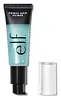 Key Ingredients
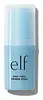
Benefits
Concerns
Ingredients Side-by-side
Water
Skin ConditioningButylene Glycol
Humectant

Glycerin
Humectant
PEG-150 Distearate
Emulsifying

Polysorbate 80
Emulsifying
Niacinamide
Smoothing









Rosmarinus Officinalis Leaf Water
MaskingMelissa Officinalis Flower/Leaf/Stem Water
Skin ConditioningMentha Piperita Leaf Water
Skin ConditioningSodium Hyaluronate
Humectant
Sodium Ascorbyl Phosphate
Antioxidant

Menthol
Masking



Pentylene Glycol
Skin Conditioning
Propylene Glycol
Humectant
PEG-240/Hdi Copolymer Bis-Decyltetradeceth-20 Ether
StabilisingPEG-40 Hydrogenated Castor Oil
Emulsifying
Phenoxyethanol
Preservative
Ethylhexylglycerin
Skin ConditioningCaprylyl Glycol
Emollient
Disodium EDTA
ChelatingTrideceth-9
Emulsifying1,2-Hexanediol
Skin Conditioning
CI 42090
Cosmetic ColorantCI 19140
Cosmetic ColorantWater, Butylene Glycol, Glycerin, PEG-150 Distearate, Polysorbate 80, Niacinamide, Rosmarinus Officinalis Leaf Water, Melissa Officinalis Flower/Leaf/Stem Water, Mentha Piperita Leaf Water, Sodium Hyaluronate, Sodium Ascorbyl Phosphate, Menthol, Pentylene Glycol, Propylene Glycol, PEG-240/Hdi Copolymer Bis-Decyltetradeceth-20 Ether, PEG-40 Hydrogenated Castor Oil, Phenoxyethanol, Ethylhexylglycerin, Caprylyl Glycol, Disodium EDTA, Trideceth-9, 1,2-Hexanediol, CI 42090, CI 19140
Propylene Glycol
Humectant
Water
Skin ConditioningAloe Barbadensis Leaf Juice
Skin Conditioning
Bis-PEG-18 Methyl Ether Dimethyl Silane
EmollientSodium Stearate
CleansingButylene Glycol
Humectant
Sodium Acrylates Copolymer
Phenoxyethanol
Preservative
PEG-150 Distearate
Emulsifying
Lecithin
Emollient
Sodium Chloride
MaskingPEG-40 Hydrogenated Castor Oil
Emulsifying
Citric Acid
Buffering
Ethylhexylglycerin
Skin ConditioningSea Water
HumectantGlycerin
Humectant
Sodium Hyaluronate
Humectant
Potassium Sorbate
Preservative
Sodium Benzoate
Masking
Cocos Nucifera Water
Masking
Tocopherol
Antioxidant
Butyrospermum Parkii Butter
Skin Conditioning

Vitis Vinifera Seed Oil
Emollient
Theobroma Cacao Seed Butter
Emollient
CI 42090
Cosmetic ColorantCI 19140
Cosmetic ColorantPropylene Glycol, Water, Aloe Barbadensis Leaf Juice, Bis-PEG-18 Methyl Ether Dimethyl Silane, Sodium Stearate, Butylene Glycol, Sodium Acrylates Copolymer, Phenoxyethanol, PEG-150 Distearate, Lecithin, Sodium Chloride, PEG-40 Hydrogenated Castor Oil, Citric Acid, Ethylhexylglycerin, Sea Water, Glycerin, Sodium Hyaluronate, Potassium Sorbate, Sodium Benzoate, Cocos Nucifera Water, Tocopherol, Butyrospermum Parkii Butter, Vitis Vinifera Seed Oil, Theobroma Cacao Seed Butter, CI 42090, CI 19140
Reviews
Ingredients Explained
These ingredients are found in both products.
Ingredients higher up in an ingredient list are typically present in a larger amount.
Butylene Glycol (or BG) is used within cosmetic products for a few different reasons:
Overall, Butylene Glycol is a safe and well-rounded ingredient that works well with other ingredients.
Though this ingredient works well with most skin types, some people with sensitive skin may experience a reaction such as allergic rashes, closed comedones, or itchiness.
Learn more about Butylene GlycolCI 19140 is also known as Tartrazine. Tartrazine is a synthetic dye used in cosmetics, foods, and medicine to add a yellow color.
Tartrazine is created from petroleum and is water-soluble.
Some people may experience allergies from this dye, especially asthmatics and those with an aspirin intolerance.
Learn more about CI 19140Ci 42090 is a synthetic dye created from petroleum. It is used to give a bright blue color to cosmetics, medicine, and food.
Ethylhexylglycerin is created from glycerin. It is a multitasker ingredient that:
The CIR Expert Panel found minimal skin absorption or sensitization of any kind in a safety assessment. Though this ingredient is considered well-tolerated, a small number of cases of allergic dermatitis have been published since 2002. Just be sure to patch test if you are unsure.
Industry-reported use ranges from 8% in rinse-off products and 2% in leave-on formulations.
Learn more about EthylhexylglycerinGlycerin (or glycerol) is a compound naturally found in your skin. It's a powerhouse humectant that pulls water into the stratum corneum.
Topically, glycerin does several things at once:
Your skin makes glycerin on its own (mostly from sebaceous oil breakdown) and shuttles it to your outermost layer of skin, or your epidermis, via aquaporin-3.
Aquaporin-3 is a transporter that is essential for normal skin hydration, elasticity, and repair. Interestingly, mice lacking in AQP3 have dry and less elastic skin that can be fully corrected with glycerin.
This ingredient is non-irritating, plays well with almost every ingredient, and works across all skin types. Typical use is anywhere between 3-10% but can go up to 79% in some leave-on products.
Just know very high concentrations (>40%) can feel tacky in low humidity.
Glycerin is the name for this ingredient in American English. British English uses Glycerol/Glycerine.
Learn more about GlycerinPEG-150 Distearate is a hardworking ingredient that is usually found at the end of a lot of cleansers whose main job is to act as a micellar thickening agent for surfactant-based cleansers.
It works by physically linking up surfactant micelles already in a formula to bump up viscosity and gives products a pourable-but-not-runny body.
Safety-wise, it's been found safe in cosmetics with minimal skin irritation and no evidence of toxicity.
This ingredient may not be fungal acne safe; it's a diester of stearic acid (C18) that falls into the C11-24 range that the Malassezia yeast feeds on. In vitro studies have also shown the Malassezia can metabolize PEG stearates by cleaving the ester bond to release the fatty acid.
Learn more about PEG-150 DistearatePEG-40 Hydrogenated Castor Oil is an emulsifier derived from castor oil.
As an emulsifying agent, it helps other ingredients like fragrances and fat-soluble vitamins dissolve cohesively.
Due to its large molecule size, it doesn't penetrate beyond the skin's surface.
This ingredient has a solid regulatory track record; the CIR Expert Panel first concluded it was safe for use in cosmetics at concentrations up to 100% in 1997. A 2012 reassessment reaffirmed that finding. Safety studies have also found no irritation or evidence of toxicity.
A 2019 study did find this ingredient to grow Malassezia, so this ingredient may not be fungal acne safe.
Learn more about PEG-40 Hydrogenated Castor OilPhenoxyethanol is one of the most widely used preservatives in skincare (and for good reason!).
It has a large spectrum of antimicrobial activity and especially effective bacteria, yeast, and mold while only having a weak effect on your skin's natural microbiome.
On a cellular level, it disrupts the cell membranes of microbes by poking holes that make the cell leak. This shuts down the chemical reactions the microbe needs to make energy so it can no longer survive.
Another perk of this ingredient is that it stays functional across a wide pH range (3-10).
You'll often see it paired with boosters like Ethylhexylglycerin; one study showed that a 1:9 ratio of Ethylhexylglycerin to Phenoxyethanol damages bacterial membranes as effectively as doubling the Phenoxyethanol concentration on its own.
Typical use concentrations range from 0.3-1% depending on the formula, and this ingredient is capped at 1% int the EU.
Safety-wise, the fear mongering does not hold up to the evidence. The EU's Scientific Committee on Consumer Safety and FDA consider it safe as a preservative at up to 1%, including for children of all ages.
Adverse systemic effects only showed up in animal studies at exposures roughly 200x higher than what people get from cosmetics. And despite its very widespread use, this ingredient is a rare sensitizer and allergic reactions are uncommon.
Learn more about PhenoxyethanolPropylene Glycol is a synthetic, colorless, odorless liquid that has been a staple in cosmetics for decades. It is a skin conditioning agent, humectant, and solvent.
As a humectant, it draw water to the skin to reduce flaking and restore suppleness. It's also a solvent that helps dissolve other actives and keeps formulas stable across temperature changes.
The CIR Expert Panel has confirmed this ingredient to be nontoxic and clinical studies show no sensitization at cosmetic use concentrations.
True allergic reactions are quite rare: a 15-year retrospective study of 6,751 patients found only 0.31% had a positive reaction (and less than half were considered clinically relevant).
It seemed that when sensitization does occur, it's most commonly linked to topical medication (like corticosteroids) and not cosmetics. Allergic contact dermatitis also appears largely limited to individuals with underlying skin conditions.
Overall, propylene glycol is a well-studied ingredient that most people can tolerate without issue.
Learn more about Propylene GlycolSodium Hyaluronate is the salt form of hyaluronic acid. It is a long sugar chain that is naturally found in your skin, joints, and connective tissue that maintains hydration and elasticity.
In skincare, it works as a humectant. It pulls water from the environment and deeper layers of skin and binds it to the surface.
Interestingly, the size of the molecule affects its behavior:
Some clinical evidence links low molecular weight versions to improved wrinkle depth, elasticity, anti-inflammatory effects, and barrier repair.
Many serums use a blend of both weights so you can get surface hydration plus longer-lasting and deeper effects.
You'll typically see concentrations between 0.1-2% for this ingredient.
Learn more about Sodium HyaluronateWater. It's the most common cosmetic ingredient of all. You'll usually see it at the top of ingredient lists, meaning that it makes up the largest part of the product.
So why is it so popular? Water most often acts as a solvent - this means that it helps dissolve other ingredients into the formulation.
You'll also recognize water as that liquid we all need to stay alive. If you see this, drink a glass of water. Remember to stay hydrated!
Learn more about Water

