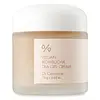
This barrier-repair moisturizer is formulated around Niacinamide and Camellia Sinensis Leaf Extract to strengthen the skin barrier and hydrate skin.
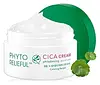
This calming moisturizer is formulated around Centella Asiatica Extract and Panthenol to calm redness and strengthen the skin barrier.

What's inside
What's inside
 Key Ingredients
Benefits
Concerns
No concerns
Ingredients Side-by-side
Water
Skin ConditioningGlycerin
Humectant


Methylpropanediol
Solvent1,2-Hexanediol
Skin Conditioning
Dicaprylyl Ether
Emollient
Glycereth-26
Humectant
Niacinamide
Smoothing









Butylene Glycol
Humectant
Dipropylene Glycol
HumectantCamellia Sinensis Leaf Extract
Antimicrobial
Saccharomyces Ferment Filtrate
Humectant

Eclipta Prostrata Leaf Extract
Skin ConditioningLaminaria Japonica Extract
Skin Protecting
Hydroxyacetophenone
Antioxidant
Camellia Sinensis Leaf Water
Masking
Polyquaternium-51
Skin Conditioning
Helianthus Annuus Seed Oil Unsaponifiables
Emollient
Ethylhexylglycerin
Skin ConditioningFructooligosaccharides
Humectant
Beta-Glucan
Skin Conditioning
Hydrogenated Lecithin
Emulsifying
Carbomer
Emulsion StabilisingTheobroma Cacao Seed Extract
Antioxidant
Dextrin
AbsorbentPhellinus Linteus Extract
Skin ConditioningArctium Lappa Root Extract
Skin Conditioning
Ammonium Acryloyldimethyltaurate/Vp Copolymer
Xanthan Gum
EmulsifyingTromethamine
BufferingHydrolyzed Hyaluronic Acid
Humectant
Schisandra Chinensis Fruit Extract
Skin Conditioning
Rosmarinus Officinalis Leaf Oil
Masking
Tocopherol
Antioxidant
Water, Glycerin, Methylpropanediol, 1,2-Hexanediol, Dicaprylyl Ether, Glycereth-26, Niacinamide, Butylene Glycol, Dipropylene Glycol, Camellia Sinensis Leaf Extract, Saccharomyces Ferment Filtrate, Eclipta Prostrata Leaf Extract, Laminaria Japonica Extract, Hydroxyacetophenone, Camellia Sinensis Leaf Water, Polyquaternium-51, Helianthus Annuus Seed Oil Unsaponifiables, Ethylhexylglycerin, Fructooligosaccharides, Beta-Glucan, Hydrogenated Lecithin, Carbomer, Theobroma Cacao Seed Extract, Dextrin, Phellinus Linteus Extract, Arctium Lappa Root Extract, Ammonium Acryloyldimethyltaurate/Vp Copolymer, Xanthan Gum, Tromethamine, Hydrolyzed Hyaluronic Acid, Schisandra Chinensis Fruit Extract, Rosmarinus Officinalis Leaf Oil, Tocopherol
Water
Skin ConditioningCentella Asiatica Extract
Cleansing
Dicaprylyl Ether
Emollient
Panthenol
Skin Conditioning
Glycerin
Humectant
1,2-Hexanediol
Skin Conditioning
Solanum Melongena Fruit Extract
Skin ConditioningLonicera Japonica Flower Extract
Skin ConditioningForsythia Suspensa Fruit Extract
Antioxidant
Angelica Gigas Root Extract
Skin ConditioningCnidium Officinale Root Extract
Skin ConditioningGardenia Jasminoides Fruit Extract
Cosmetic ColorantCoptis Japonica Root Extract
Skin ConditioningGlycyrrhiza Uralensis Root Extract
Skin Conditioning
Laminaria Japonica Extract
Skin Protecting
Eclipta Prostrata Leaf Extract
Skin ConditioningFicus Carica Fruit Extract
Humectant
Houttuynia Cordata Extract
Skin Conditioning
Hydrogenated Lecithin
Emulsifying
Ammonium Acryloyldimethyltaurate/Vp Copolymer
Hexyldecyl Laurate
EmollientHexyldecanol
Emollient
Carbomer
Emulsion StabilisingTromethamine
BufferingPolyquaternium-51
Skin Conditioning
Fructooligosaccharides
Humectant
Xanthan Gum
EmulsifyingBeta-Glucan
Skin Conditioning
Hydrolyzed Hyaluronic Acid
Humectant
Ceramide NP
Skin Conditioning
Hydroxyacetophenone
Antioxidant
Ethylhexylglycerin
Skin ConditioningWater, Centella Asiatica Extract, Dicaprylyl Ether, Panthenol, Glycerin, 1,2-Hexanediol, Solanum Melongena Fruit Extract, Lonicera Japonica Flower Extract, Forsythia Suspensa Fruit Extract, Angelica Gigas Root Extract, Cnidium Officinale Root Extract, Gardenia Jasminoides Fruit Extract, Coptis Japonica Root Extract, Glycyrrhiza Uralensis Root Extract, Laminaria Japonica Extract, Eclipta Prostrata Leaf Extract, Ficus Carica Fruit Extract, Houttuynia Cordata Extract, Hydrogenated Lecithin, Ammonium Acryloyldimethyltaurate/Vp Copolymer, Hexyldecyl Laurate, Hexyldecanol, Carbomer, Tromethamine, Polyquaternium-51, Fructooligosaccharides, Xanthan Gum, Beta-Glucan, Hydrolyzed Hyaluronic Acid, Ceramide NP, Hydroxyacetophenone, Ethylhexylglycerin
Reviews
Ingredients Explained
These ingredients are found in both products.
Ingredients higher up in an ingredient list are typically present in a larger amount.
1,2-Hexanediol is a synthetic liquid and another multi-functional powerhouse.
It is a:
- Humectant, drawing moisture into the skin
- Emollient, helping to soften skin
- Solvent, dispersing and stabilizing formulas
- Preservative booster, enhancing the antimicrobial activity of other preservatives
Ammonium Acryloyldimethyltaurate/Vp Copolymer is a synthetically created polymer. It's used as a film-forming agent and used to thicken the consistency of products.
Think of it as a supportive ingredient that helps your gel-creams feel silky, "cloud cream-like", and spread evenly without being greasy.
The Cosmetic Ingredient Review (CIR) Expert Panel evaluated it (along with 22 other acryloyldimethyltaurate polymers) and concluded it's:
Due to its large molecular size, it sits on the surface of skin rather than penetrating it.
Learn more about Ammonium Acryloyldimethyltaurate/Vp CopolymerBeta-Glucan is a soluble polysaccharide (a chain of glucose sugars) sourced from the cells walls of oats, baker's yeast, mushrooms, and seaweed.
It's a rare ingredient that pulls double-duty as a heavy-duty hydrator and skin-soothing repair agent.
On the surface, it acts as a humectant that holds water in place and reduces moisture loss for a plumper, smoother feel, while its anti-inflammatory and antioxidant properties make it a great pick for calming redness or sensitive skin
The more interesting story is underneath:
Despite its large molecular size, oat beta-glucan has been shown to penetrate the epidermis and reach the dermis by slipping between skin cells. Here, it interacts with fibroblasts and macrophages to nudge collagen synthesis and support wound repair.
A small 2005 split-face clinical study of 27 subjects found topical beta-glucan produced measurable reductions in wrinkle depth, height, and roughness after 8 weeks of use.
It is worth noting the trial was small and the penetration testing used frozen, irradiated skin so the anti-aging data is encouraging rather than definitive.
This ingredient gets along with pretty much everything and is typically used around 0.1-1%.
Fungal acne: This ingredient is not a food source for the Malassezia yeast because it is a glucose polysaccharide with no fatty acid or ester component.
Learn more about Beta-GlucanCarbomer is a synthetic thickening and gelling agent. It's basically the ingredient that gives a lot of serums, gels, creams, and sunscreens their smooth, non-sticky texture.
Although legally permitted at very high levels, carbomers are normally used at concentrations below 1%.
It also needs to be neutralized to actually thicken, and because it is a large molecule, it doesn't really penetrate the skin barrier.
Allergy-wise, the risk is very low. Clinical studies show carbomers have low potential for skin irritation/sensitization even at concentrations up to 100%.
A 2024 UK study patch-tested 1,302 patients and found true allergy to the parent group of carbomer to be rare with no confirmed relevant reactions.
Learn more about CarbomerDicaprylyl Ether is created from caprylic acid. It is a texture-enhancer and emollient.
As an emollient, Dicaprylyl Ether is non-comedogenic. It helps soften and smooth the skin by creating a barrier on top. This barrier helps trap moisture in, helping to hydrate the skin.
Dicaprylyl Ether gives a non-greasy feel and better spreadability to products.
Learn more about Dicaprylyl EtherEclipta Prostrata Leaf Extract comes from the false daisy plant. False daisy contains antioxidant compounds such as flavonoids.
One study found false daisy to absorb UVA and UVB radiation. However, this should not replace your sunscreen.
False daisy is used in both traditional medicines and foods throughout Southeast Asia and India.
Learn more about Eclipta Prostrata Leaf ExtractEthylhexylglycerin is created from glycerin. It is a multitasker ingredient that:
The CIR Expert Panel found minimal skin absorption or sensitization of any kind in a safety assessment. Though this ingredient is considered well-tolerated, a small number of cases of allergic dermatitis have been published since 2002. Just be sure to patch test if you are unsure.
Industry-reported use ranges from 8% in rinse-off products and 2% in leave-on formulations.
Learn more about EthylhexylglycerinFructooligosaccharides (FOS) are a type of prebiotic sugar with humectant and skin conditioning properties. As a humectant, they help attract and hold moisture in the skin.
FOS essentially acts as a food source for the "good" bacteria on your skin and make it harder for "bad" bacteria to thrive. A 2022 study using a reconstructured human skin model found that just 1% of FOS was enough to shift the bacteria balance in favor of beneficial species. This suggests it could help support a healthier skin microbiome over time.
This ingredient has a low sensitization risk and testing shows it does not classify as a skin irritant or sensitizer.
FOS are usually produced from sugar beets and can also be found in foods like bananas, garlic, and onions.
Learn more about FructooligosaccharidesGlycerin (or glycerol) is a compound naturally found in your skin. It's a powerhouse humectant that pulls water into the stratum corneum.
Topically, glycerin does several things at once:
Your skin makes glycerin on its own (mostly from sebaceous oil breakdown) and shuttles it to your outermost layer of skin, or your epidermis, via aquaporin-3.
Aquaporin-3 is a transporter that is essential for normal skin hydration, elasticity, and repair. Interestingly, mice lacking in AQP3 have dry and less elastic skin that can be fully corrected with glycerin.
This ingredient is non-irritating, plays well with almost every ingredient, and works across all skin types. Typical use is anywhere between 3-10% but can go up to 79% in some leave-on products.
Just know very high concentrations (>40%) can feel tacky in low humidity.
Glycerin is the name for this ingredient in American English. British English uses Glycerol/Glycerine.
Learn more about GlycerinHydrogenated Lecithin is a more stable version of lecithin.
It's made by taking lecithin (a phospholipid commonly found in soybeans and egg yolks) and hydrogenating it. This just means the unsaturated fatty acids are turned into saturated ones so they don't go bad as easily.
This ingredient is an emollient, emulsifier, and penetration enhancer. As an emollient, it helps soften and hydrate skin by trapping moisture within. As an emulsifier, it prevents oil and water ingredients from separating.
Hydrogenated Lecithin can form tiny spherical structures made of phospholipid bilayers called liposomes. These liposomes are able to capture compounds inside their structure and deliver them through the skin barrier.
Because phospholipids are a natural component of our cell membranes, this ingredient is inherently compatible with skin.
A 2021 study found lecithin-based surfactants were less harsh and more tolerable comared to Sodium Lauryl Sulfate (SLS).
Learn more about Hydrogenated LecithinHydrolyzed Hyaluronic Acid is hyaluronic acid (HA) that is broken down into lower molecular weight fragments.
It's a humectant that pulls and holds water in the skin to help with hydration, plumpness, and reduce transepidermal water loss.
Because hydrolyzed hyaluronic acid is smaller in size, it can slip past your outermost layer of skin more easily than full-sized HA.
Most formulations will combine all sizes to get the best of both worlds.
Typical usage levels range from 0.01-1%. Any percentage higher than 2% might become goopy and tacky.
Learn more about Hydrolyzed Hyaluronic AcidHydroxyacetophenone is a small phenolic molecule that earns its place in a formulas as an antioxidant and preservative booster.
As a phenol, it is able to neutralize free radicals to protect both the product and the skin from oxidative stress.
Though it can't kill microbes on its own, it works as a good supporting agent when combined with other preservatives like Phenoxyethanol or 1,2-Hexanediol.
This ingredient naturally occurs as piceol in Norwegian spruce needles (~0.4-1.1% dry weight and in cloudberries). Though the cosmetic-grade material is synthesized for purity and consistency.
You'll usually see it used at low levels and suppliers recommend up to 1% added to a water phase.
Safety testing was done at concentrations like 0.05% in SPF products and 0.5% in a Human Repeated Insult Patch Test. The safety evidence is assuring; this ingredient is safe for cosmetics in current use and also holds safety status as a food flavoring as well.
An honest caveat: the "soothing" and "anti-inflammatory" claims come mostly from supplier marketing rather than published clinical trials. The Cosmetic Ingredient Review's own literature search found no useful efficacy studies on this ingredient.
So the antioxidant and preservative-boosting roles are the well supported ones while the calming benefit is plausible but thinly evidenced.
Overall, this is a well-tolerated, low-irritation multitasker that quietly helps a formula stay fresh and stable.
Learn more about HydroxyacetophenoneLaminaria Japonica Extract is an extract of Japanese kelp, the same brown seaweed sold as kombu.
This ingredient is usually extracted from dried, ground kelp with water or a water/glycol mix. Most of what ends up in your bottle is mostly big sugar molecules, minerals, and amino acids rather than oils.
Those sugars help hold water and form a light film on the skin's surface, giving it humectant and mild-barrier supporting properties.
The best human data is a small Korean study where a cream with 10% extract upped skin hydration about 14% over placebo and cut water loss through the skin for up to eight hours.
Beyond this study, most of the anti-aging and anti-inflammatory claims come from mouse and cell studies; these studies found that topical kelp sugars preserved collagen in aging mice and the extract calmed UVB-triggered inflammation markers in cultured skin cells.
Though this sounds promising, it isn't the same as proof on human faces.
Industry data shows this ingredient is usually used anywhere from 0.0005% - 5%. Most leave-on products sit well under 1% and the 5% end mostly shows up in bath products.
Allergy-risk for this ingredient looks low as well. A cream with 10% extract patch-tested on 25 people caused no irritation and there have been no sensitization reports either.
There is one real allergy report on "laminaria" that involves medical cervical dilators made from whole dried kelp stems inserted internally; though this is a very different exposure from a few tenths of a percent in a serum.
Learn more about Laminaria Japonica ExtractPolyquaternium-51 is a polymer salt. It helps hydrate the skin by creating a film on top. This film traps moisture in, keeping your skin soft and hydrated.
Tromethamine (aka THAM) is a synthetic amino acid that shows up in skincare as a helper ingredient.
It functions as a pH adjuster to help neutralize acidic ingredients and set a formula's pH to the right spot.
This matters a lot because a lot of actives (like vitamin C) needs a specific pH to work well and feel comfortable on skin.
Concentration use ranges from 0.1-1.0% depending on the formula.
Learn more about TromethamineWater. It's the most common cosmetic ingredient of all. You'll usually see it at the top of ingredient lists, meaning that it makes up the largest part of the product.
So why is it so popular? Water most often acts as a solvent - this means that it helps dissolve other ingredients into the formulation.
You'll also recognize water as that liquid we all need to stay alive. If you see this, drink a glass of water. Remember to stay hydrated!
Learn more about WaterXanthan gum is used as a stabilizer and thickener within cosmetic products. It helps give products a sticky, thick feeling - preventing them from being too runny.
On the technical side of things, xanthan gum is a polysaccharide - a combination consisting of multiple sugar molecules bonded together.
Xanthan gum is a pretty common and great ingredient. It is a natural, non-toxic, non-irritating ingredient that is also commonly used in food products.
Learn more about Xanthan Gum

