
What's inside
What's inside
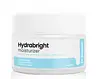 Key Ingredients
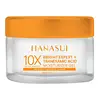
Benefits
Concerns
Ingredients Side-by-side
Water
Skin ConditioningTranexamic Acid
Astringent




Maltooligosyl Glucoside
Skin ConditioningGlycerin
Humectant

Alpha-Arbutin
Antioxidant

Hydrolyzed Collagen
Emollient
Hydrogenated Starch Hydrolysate
HumectantSodium Hyaluronate
Humectant
Phenoxyethanol
Preservative
Ammonium Acryloyldimethyltaurate/Vp Copolymer
Parfum
Masking


Caprylic/Capric Triglyceride
Masking
Deoxyphytantriyl Palmitamide Mea
Skin ConditioningHydrogenated Lecithin
Emulsifying
Ceramide NP
Skin Conditioning
Cholesterol
Emollient
Water, Tranexamic Acid, Maltooligosyl Glucoside, Glycerin, Alpha-Arbutin, Hydrolyzed Collagen, Hydrogenated Starch Hydrolysate, Sodium Hyaluronate, Phenoxyethanol, Ammonium Acryloyldimethyltaurate/Vp Copolymer, Parfum, Caprylic/Capric Triglyceride, Deoxyphytantriyl Palmitamide Mea, Hydrogenated Lecithin, Ceramide NP, Cholesterol
Water
Skin ConditioningNiacinamide
Smoothing




Propanediol
Solvent
Butylene Glycol
Humectant
Panthenol
Skin Conditioning
Propylene Glycol
Humectant
Glycereth-26
Humectant
Phenoxyethanol
Preservative
Acrylates/C10-30 Alkyl Acrylate Crosspolymer
Emulsion StabilisingTranexamic Acid
Astringent
Allantoin
Skin Conditioning
Disodium EDTA
Trehalose
Humectant
Triethylene Glycol
Masking
Caprylic/Capric Triglyceride
Masking
Glycerin
Humectant
Hydrogenated Lecithin
Emulsifying
Triethanolamine
BufferingGlycyrrhiza Glabra Root Extract
Bleaching
1,2-Hexanediol
Skin Conditioning
Sucrose Stearate
EmollientCeramide NP
Skin Conditioning
Ceramide AP
Skin Conditioning
Ceramide As
Skin Conditioning
Ceramide Ng
Skin Conditioning
Glycosphingolipids
EmollientWater, Niacinamide, Propanediol, Butylene Glycol, Panthenol, Propylene Glycol, Glycereth-26, Phenoxyethanol, Acrylates/C10-30 Alkyl Acrylate Crosspolymer, Tranexamic Acid, Allantoin, Disodium EDTA, Trehalose, Triethylene Glycol, Caprylic/Capric Triglyceride, Glycerin, Hydrogenated Lecithin, Triethanolamine, Glycyrrhiza Glabra Root Extract, 1,2-Hexanediol, Sucrose Stearate, Ceramide NP, Ceramide AP, Ceramide As, Ceramide Ng, Glycosphingolipids
Ingredients Explained
These ingredients are found in both products.
Ingredients higher up in an ingredient list are typically present in a larger amount.
This ingredient is an emollient, solvent, and texture enhancer. It is considered a skin-softener by helping the skin prevent moisture loss.
It helps thicken a product's formula and makes it easier to spread by dissolving clumping compounds.
Caprylic Triglyceride is made by combining glycerin with coconut oil, forming a clear liquid.
While there is an assumption Caprylic Triglyceride can clog pores due to it being derived from coconut oil, there is no research supporting this.
Learn more about Caprylic/Capric TriglycerideCeramide NP is a type of ceramide and formally known as ceramide 3.
Ceramides are intercellular lipids naturally found in our skin that bonds dead skin cells together to create a barrier. They are known for their ability to hold water and thus are a great ingredient for dry skin.
Ceramides are an important building block for our skin barrier. A stronger barrier helps the skin look more firm and hydrated. By bolstering the skin ceramides act as a barrier against irritating ingredients. This can help with inflammation as well.
If you would like to eat ceramides, sweet potatoes contain a small amount.
Read more about other common types of ceramides here:
Ceramide AP
Ceramide EOP
Glycerin is already naturally found in your skin. It helps moisturize and protect your skin.
A study from 2016 found glycerin to be more effective as a humectant than AHAs and hyaluronic acid.
As a humectant, it helps the skin stay hydrated by pulling moisture to your skin. The low molecular weight of glycerin allows it to pull moisture into the deeper layers of your skin.
Hydrated skin improves your skin barrier; Your skin barrier helps protect against irritants and bacteria.
Glycerin has also been found to have antimicrobial and antiviral properties. Due to these properties, glycerin is often used in wound and burn treatments.
In cosmetics, glycerin is usually derived from plants such as soybean or palm. However, it can also be sourced from animals, such as tallow or animal fat.
This ingredient is organic, colorless, odorless, and non-toxic.
Glycerin is the name for this ingredient in American English. British English uses Glycerol/Glycerine.
Learn more about GlycerinHydrogenated Lecithin is created from the hydrogenation of lecithin (a group of phospholipids). Hydrogenation is a chemical reaction between hydrogen and another element.
This ingredient is an emollient and emulsifier. As an emollient, it helps soften skin by trapping moisture within. As an emulsifier, it prevents oil and water ingredients from separating.
Phenoxyethanol is a preservative that has germicide, antimicrobial, and aromatic properties. Studies show that phenoxyethanol can prevent microbial growth. By itself, it has a scent that is similar to that of a rose.
It's often used in formulations along with Caprylyl Glycol to preserve the shelf life of products.
Tranexamic Acid is best used for treating hyperpigmentation, discoloration, and melasma. It can also help build a stronger skin barrier.
Once applied, Tranexamic Acid starts decreasing inflammation from UV exposure. Tranexamic Acid also prevents our skin cells from meeting the pigment production cells.
Its brightening property makes it great at reducing the appearance of acne scars and marks.
Fun fact: Tranexamic Acid is also a medication used to reduce heavy bleeding.
This acid is derived from lysine, an amino acid.
Learn more about Tranexamic AcidWater. It's the most common cosmetic ingredient of all. You'll usually see it at the top of ingredient lists, meaning that it makes up the largest part of the product.
So why is it so popular? Water most often acts as a solvent - this means that it helps dissolve other ingredients into the formulation.
You'll also recognize water as that liquid we all need to stay alive. If you see this, drink a glass of water. Stay hydrated!
Learn more about Water
