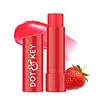
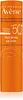
Dot & Key Skincare Barrier Repair Hydrating Lip Balm SPF 50+ PA+++ Versus Avène Sun Sensitive Lip Balm SPF 50+
This barrier-repair lip moisturizer is formulated around Petrolatum and Butyrospermum Parkii Butter to strengthen the lip barrier and hydrate lips.
This lip moisturizer is formulated around Hydrogenated Castor Oil to hydrate lips.


What's inside
What's inside
 Key Ingredients
Benefits
Concerns
Ingredients Side-by-side
Hydrogenated Polyisobutene
EmollientPetrolatum
Emollient



Hydrogenated Castor Oil
Emollient

Diethylamino Hydroxybenzoyl Hexyl Benzoate
UV Filter
Synthetic Wax
Abrasive
Hydrogenated Vegetable Oil
Emollient

Triisostearoyl Polyglyceryl-3 Dimer Dilinoleate
Emollient
Propylene Glycol
Humectant
Microcrystalline Wax
Emulsion StabilisingOzokerite
Emulsion StabilisingPropylene Glycol Dibenzoate
Skin ConditioningButyrospermum Parkii Butter
Skin Conditioning
Caprylic/Capric Triglyceride
Masking
Synthetic Beeswax
Emulsion Stabilising
Polyethylene
Abrasive
Ethylhexyl Methoxycinnamate
UV Absorber
Mica
Cosmetic ColorantPhenoxyethanol
Preservative
Ethylhexylglycerin
Skin ConditioningTocopheryl Acetate
Antioxidant


Persea Gratissima Oil
Skin Conditioning
BHT
Antioxidant
Aroma


Glycerin
Humectant
Water
Skin ConditioningHydrogenated Lecithin
Emulsifying
Phytosteryl/Octyldodecyl Lauroyl Glutamate
Skin ConditioningCeramide NP
Skin Conditioning



Sodium Hyaluronate
Humectant
CI 19140
Cosmetic ColorantCI 15850
Cosmetic ColorantCI 77891
Cosmetic ColorantHydrogenated Polyisobutene, Petrolatum, Hydrogenated Castor Oil, Diethylamino Hydroxybenzoyl Hexyl Benzoate, Synthetic Wax, Hydrogenated Vegetable Oil, Triisostearoyl Polyglyceryl-3 Dimer Dilinoleate, Propylene Glycol, Microcrystalline Wax, Ozokerite, Propylene Glycol Dibenzoate, Butyrospermum Parkii Butter, Caprylic/Capric Triglyceride, Synthetic Beeswax, Polyethylene, Ethylhexyl Methoxycinnamate, Mica, Phenoxyethanol, Ethylhexylglycerin, Tocopheryl Acetate, Persea Gratissima Oil, BHT, Aroma, Glycerin, Water, Hydrogenated Lecithin, Phytosteryl/Octyldodecyl Lauroyl Glutamate, Ceramide NP, Sodium Hyaluronate, CI 19140, CI 15850, CI 77891
Octyldodecanol
Emollient
Polyethylene
Abrasive
Butylene Glycol Cocoate
Emulsifying
Hydrogenated Microcrystalline Wax
Emulsion StabilisingBis-Ethylhexyloxyphenol Methoxyphenyl Triazine
UV Absorber
Diethylamino Hydroxybenzoyl Hexyl Benzoate
UV Filter
Diethylhexyl Butamido Triazone
UV Absorber
Butyl Methoxydibenzoylmethane
UV Absorber
Ethylhexyl Salicylate
UV Absorber
Beeswax
Emulsion Stabilising
Hydrogenated Castor Oil
Emollient
Water
Skin ConditioningAluminum Hydroxide
EmollientButylene Glycol
Humectant
Caprylic/Capric Triglyceride
Masking
Disodium Stearoyl Glutamate
CleansingMethyl Methacrylate Crosspolymer

Oxothiazolidine
Skin ProtectingSaccharin
MaskingSodium Benzoate
Masking
CI 77891
Cosmetic ColorantTocopheryl Glucoside
EmollientOctyldodecanol, Polyethylene, Butylene Glycol Cocoate, Hydrogenated Microcrystalline Wax, Bis-Ethylhexyloxyphenol Methoxyphenyl Triazine, Diethylamino Hydroxybenzoyl Hexyl Benzoate, Diethylhexyl Butamido Triazone, Butyl Methoxydibenzoylmethane, Ethylhexyl Salicylate, Beeswax, Hydrogenated Castor Oil, Water, Aluminum Hydroxide, Butylene Glycol, Caprylic/Capric Triglyceride, Disodium Stearoyl Glutamate, Methyl Methacrylate Crosspolymer, Oxothiazolidine, Saccharin, Sodium Benzoate, CI 77891, Tocopheryl Glucoside
Reviews
Ingredients Explained
These ingredients are found in both products.
Ingredients higher up in an ingredient list are typically present in a larger amount.
Caprylic/Capric Triglyceride (aka MCT Oil) is a lightweight emollient, solvent, and texture enhancer. It is considered a skin-softener by helping to prevent moisture loss.
Though it behaves like an oil, it is not technically one due to its chemical composition. One perk of this ingredient is that it is very stable, resistant to oxidation, and unlikely to go rancid.
In practice, that translates to a long shelf life and a consistently elegant skin feel.
While there is an assumption Caprylic Triglyceride can clog pores due to it being derived from coconut oil, there is no research supporting this. Just patch test if you have concerns.
Fractionated coconut oil and MCT Oil are both listed as Caprylic/Capric Triglyceride according to INCI. This is because INCI names are based on the ingredient’s final chemical composition and not its marketing name or source.
This ingredient is treated as the gold standard fungal acne safe oil. Even though it is coconut derived, the problematic lauric acid is stripped out.
This leaves just caprylic (C8) and capric (C10) acid. These chain lengths actually trend antifungal; a 2020 study found caprylic acid was enough to disrupt Malassezia furfur cell membrane, with a caprylic acid derivative damaging membrane structures at concentrations as low as 0.2%.
Learn more about Caprylic/Capric TriglycerideCi 77891 is a white pigment from Titanium dioxide. It is naturally found in minerals such as rutile and ilmenite.
It's main function is to add a white color to cosmetics. It can also be mixed with other colors to create different shades.
Ci 77891 is commonly found in sunscreens due to its ability to block UV rays.
Learn more about CI 77891Diethylamino Hydroxybenzoyl Hexyl Benzoate (DHHB) is a chemical UV-A absorber. It is formulated for high UVA protection (320-400 nm).
DHHB is well-liked for:
DHHB has been approved by the EU, Japan, Taiwan, and South America for use up to 10%. Unfortunately, it has not been approved for use in the US or Canada due to slow regulatory processes.
This ingredient is soluble in oils, fats, and lipids.
Learn more about Diethylamino Hydroxybenzoyl Hexyl BenzoateHydrogenated Castor Oil (aka "castor wax") is what you get when castor oil is turned into a wax.
Its dominant fatty acid is ricinoleic acid, giving it both emollient and mild humectant properties.
According to EU CosIng, this ingredient helps soften skin, keep oil and water stay mixed, and thickens products.
Hydrogenated castor oil at 30% did not trigger a positive patch-test reaction and is well-tolerated.
Since this ingredient is based on an 18-carbon fatty acid, it falls into the chain-length range that Malassezia can feed on and may not be fungal acne safe.
Learn more about Hydrogenated Castor OilPolyethylene is a synthetic ingredient that helps the skin retain moisture. It is a polymer.
It is also typically used within product formulations to help bind solid ingredients together and thicken oil-based ingredients. When added to balms and emulsions, it helps increase the melting point temperature.
Water. It's the most common cosmetic ingredient of all. You'll usually see it at the top of ingredient lists, meaning that it makes up the largest part of the product.
So why is it so popular? Water most often acts as a solvent - this means that it helps dissolve other ingredients into the formulation.
You'll also recognize water as that liquid we all need to stay alive. If you see this, drink a glass of water. Remember to stay hydrated!
Learn more about Water

