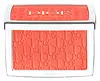
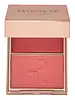
Dior Backstage Rosy Glow Blush Versus Patrick Ta Major Beauty Headlines - Double-Take Crème & Powder Blush


What's inside
What's inside
 Key Ingredients
Benefits
Concerns
Ingredients Side-by-side
Synthetic Fluorphlogopite
Mica
Cosmetic ColorantDimethicone
Emollient

Boron Nitride
Absorbent
Lauroyl Lysine
Skin Conditioning
Silica
Abrasive

Zinc Stearate
Cosmetic ColorantCellulose
Absorbent
Magnesium Myristate


Pentylene Glycol
Skin Conditioning
Ethylhexylglycerin
Skin ConditioningSodium Dehydroacetate
Preservative
Raspberry Ketone
Masking

Tocopherol
Antioxidant






CI 77891
Cosmetic ColorantCI 19140
Cosmetic ColorantCI 73360
Cosmetic ColorantCI 45410
Cosmetic ColorantSynthetic Fluorphlogopite
Mica
Cosmetic ColorantMagnesium Myristate
Octyldodecyl Stearoyl Stearate
Emollient

Silica
Abrasive
Glyceryl Triacetyl Ricinoleate
Emollient
Nylon-12

PEG-12 Dimethicone
Skin Conditioning
Caprylic/Capric Triglyceride
Masking
Tocopheryl Acetate
Antioxidant
Caprylyl Glycol
Emollient
Polyhydroxystearic Acid
Emulsifying
Hexylene Glycol
EmulsifyingHydrogenated Phosphatidylcholine
Emulsifying
Trimyristin
Skin Conditioning
Triethoxycaprylylsilane
Phenoxyethanol
Preservative
Potassium Sorbate
Preservative
Tin Oxide
Abrasive
CI 77891
Cosmetic ColorantCI 15850
Cosmetic ColorantCI 77492
Cosmetic ColorantCI 77163
Cosmetic Colorant
CI 19140
Cosmetic ColorantCI 73360
Cosmetic ColorantCI 45410
Cosmetic ColorantPhenyl Trimethicone
Skin Conditioning
PPG-3 Benzyl Ether Myristate
EmollientEthylhexyl Stearate
Emollient
Dipentaerythrityl Hexahydroxystearate/Hexastearate/Hexarosinate
Skin ConditioningTriisostearyl Citrate
EmollientDiisostearyl Malate
EmollientPolyethylene
Abrasive
Polybutene
Vinyl Dimethicone/Methicone Silsesquioxane Crosspolymer
Disteardimonium Hectorite
StabilisingOctyldodecanol
Emollient
Pentaerythrityl Tetra-Di-T-Butyl Hydroxyhydrocinnamate
Antioxidant
Propylene Carbonate
SolventFarnesol
Perfuming

Linalool
Perfuming
CI 77491
Cosmetic ColorantSynthetic Fluorphlogopite, Mica, Magnesium Myristate, Octyldodecyl Stearoyl Stearate, Silica, Glyceryl Triacetyl Ricinoleate, Nylon-12, PEG-12 Dimethicone, Caprylic/Capric Triglyceride, Tocopheryl Acetate, Caprylyl Glycol, Polyhydroxystearic Acid, Hexylene Glycol, Hydrogenated Phosphatidylcholine, Trimyristin, Triethoxycaprylylsilane, Phenoxyethanol, Potassium Sorbate, Tin Oxide, CI 77891, CI 15850, CI 77492, CI 77163, CI 19140, CI 73360, CI 45410, Phenyl Trimethicone, PPG-3 Benzyl Ether Myristate, Ethylhexyl Stearate, Dipentaerythrityl Hexahydroxystearate/Hexastearate/Hexarosinate, Triisostearyl Citrate, Diisostearyl Malate, Polyethylene, Polybutene, Vinyl Dimethicone/Methicone Silsesquioxane Crosspolymer, Disteardimonium Hectorite, Octyldodecanol, Pentaerythrityl Tetra-Di-T-Butyl Hydroxyhydrocinnamate, Propylene Carbonate, Farnesol, Linalool, CI 77491
Reviews
Ingredients Explained
These ingredients are found in both products.
Ingredients higher up in an ingredient list are typically present in a larger amount.
CI 19140 is also known as Tartrazine. Tartrazine is a synthetic dye used in cosmetics, foods, and medicine to add a yellow color.
Tartrazine is created from petroleum and is water-soluble.
Some people may experience allergies from this dye, especially asthmatics and those with an aspirin intolerance.
Learn more about CI 19140CI 45410 is a synthetic red-pigment and dye.
It often goes by both Red 28 or Red 27; manufacturers label both ingredients as CI 45410.
This dye is commonly found in makeup because it imparts a vivid color. Some types of this dye change color based on pH level and interaction with moisture:
Your skin has a natural pH of around 4.5 - 5.5.
According to the FDA, CI 45410 is not permitted for use in eye products.
Red 27 is a flourescein dye and commonly used as a fluorescent tracer in medicine.
Learn more about CI 45410Ci 73360 is a synthetic red-pink dye.
It is soluble in water and remains chemically stable across a range of pH levels typically used in cosmetics. This helps manufacturers maintain uniform color throughout a product’s shelf life.
Because this ingredient is a regulated cosmetic colorant, its purity, manufacturing standards, and allowed uses are defined by cosmetic regulations in major markets.
Learn more about CI 73360Ci 77891 is a white pigment from Titanium dioxide. It is naturally found in minerals such as rutile and ilmenite.
It's main function is to add a white color to cosmetics. It can also be mixed with other colors to create different shades.
Ci 77891 is commonly found in sunscreens due to its ability to block UV rays.
Learn more about CI 77891Magnesium Myristate is the magnesium salt of myristic acid, a saturated fatty acid that is naturally found in coconut and palm kernel oil.
In formulas, it's used as an anticaker, opacifier, and viscosity controller; it improves adhesion and glide in pressed mineral makeup, works as a non-gelling thickener in eyeliners/mascaras/lipsticks, and doubles as a white opacifier.
There's no published concentration use from surveys so the best available numbers are supplier guidance: 5-10% for loose powders and 2-5% for creamy cosmetics + pressed powder binding.
The CIR Expert Panel reviewed Magnesium Myristate as part of its assessment of myristic acid and its salts and esters, and concluded the whole group is safe as used in cosmetics.
In human studies, Myristic Acid was non-irritating up to 50% and 100% Magnesium Stearate was non-irritating and non-corrosive on skin and non-irritating to the eye.
There are no published contact allergy case reports for this ingredient so allergy risk is low, but not zero for any ingredient.
There is no comedogenic data for Magnesum Myristate. The comedogenic ratings that circulate for "myristates" come from Isopropyl Myristate which is a structurally different ester.
The rabbit-ear models those comedogenic ratings come from have been shown to be unreliable for predicting whether a finished product will clog pores.
Human testing has proved that any finished product with a comedogenic ingredient won't automatically make you break out; it really comes down to concentration, formula, and your skin.
Some people still find it breaks them out. So if that's you, definitely trust your skin.
Learn more about Magnesium MyristateMica is a naturally occurring mineral used to add shimmer and color in cosmetics. It can also help improve the texture of a product or give it an opaque, white/silver color.
Serecite is the name for very fine but ragged grains of mica.
This ingredient is often coated with metal oxides like titanium dioxide. Trace amounts of heavy metals may be found in mica, but these metals are not harmful in our personal products.
Mica has been used since prehistoric times throughout the world. Ancient Egyptian, Indian, Greek, Roman, Aztec, and Chinese civilizations have used mica.
Learn more about MicaSilica, also known as silicon dioxide, is a naturally occurring mineral. It is used as a fine, spherical, and porous powder in cosmetics.
Though it has exfoliant properties, the function of silica varies depending on the product.
The unique structure of silica enhances the spreadability and adds smoothness, making it a great texture enhancer.
It is also used as an active carrier, emulsifier, and mattifier due to its ability to absorb excess oil.
In some products, tiny microneedles called spicules are made from silica or hydrolyzed sponge. When you rub them in, they lightly polish away dead skin layers and enhance the penetration of active ingredients.
Learn more about SilicaSynthetic Fluorphlogopite is the synthethic version of mica. It consists of fluorine, aluminum and silicate.
Synthetic Fluorphlogopite is used to add volume to products.
It is considered non-irritating on the skin.
Learn more about Synthetic Fluorphlogopite

