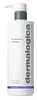
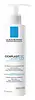
Dermalogica Ultracalming Cleanser Versus La Roche-Posay Cicaplast Lavant B5 Purifying Soothing Foaming Gel
This mild cream cleanser is made to cleanse while calming and soothing your skin.


What's inside
What's inside
 Key Ingredients
Benefits
Concerns
Ingredients Side-by-side
Water
Skin ConditioningCetearyl Alcohol
Emollient






Bisabolol
Antioxidant





Zingiber Officinale Root Extract
Masking
Leuconostoc/Radish Root Ferment Filtrate
Antimicrobial
Glycerin
Humectant
Avena Sativa Kernel Extract
Abrasive
Cucumis Sativus Fruit Extract
Emollient
Rubus Idaeus Fruit Extract
AstringentLavandula Angustifolia Flower Extract
Cleansing

Salix Alba Bark Extract
Astringent

Usnea Barbata Extract
Butylene Glycol
Humectant
Pentylene Glycol
Skin Conditioning
Hydroxyphenyl Propamidobenzoic Acid
Skin ConditioningCitrus Medica Limonum Fruit Extract
Skin ConditioningFumaria Officinalis Flower/Leaf/Stem Extract
Skin ConditioningFumaric Acid
BufferingEchinacea Purpurea Extract
MoisturisingPanthenol
Skin Conditioning
Acrylates/C10-30 Alkyl Acrylate Crosspolymer
Emulsion StabilisingCocamidopropyl Pg-Dimonium Chloride Phosphate
Disodium Lauryl Sulfosuccinate
CleansingCetrimonium Chloride
Antimicrobial
Aminomethyl Propanol
BufferingGlyceryl Caprylate
EmollientDisodium EDTA
Water, Cetearyl Alcohol, Bisabolol, Zingiber Officinale Root Extract, Leuconostoc/Radish Root Ferment Filtrate, Glycerin, Avena Sativa Kernel Extract, Cucumis Sativus Fruit Extract, Rubus Idaeus Fruit Extract, Lavandula Angustifolia Flower Extract, Salix Alba Bark Extract, Usnea Barbata Extract, Butylene Glycol, Pentylene Glycol, Hydroxyphenyl Propamidobenzoic Acid, Citrus Medica Limonum Fruit Extract, Fumaria Officinalis Flower/Leaf/Stem Extract, Fumaric Acid, Echinacea Purpurea Extract, Panthenol, Acrylates/C10-30 Alkyl Acrylate Crosspolymer, Cocamidopropyl Pg-Dimonium Chloride Phosphate, Disodium Lauryl Sulfosuccinate, Cetrimonium Chloride, Aminomethyl Propanol, Glyceryl Caprylate, Disodium EDTA
Water
Skin ConditioningSodium Laureth Sulfate
Cleansing

Panthenol
Skin Conditioning
PEG-200 Hydrogenated Glyceryl Palmate
Cleansing
Glycerin
Humectant
Coco-Betaine
Cleansing
Sodium Chloride
MaskingPolysorbate 20
Emulsifying
PEG-7 Glyceryl Cocoate
Emulsifying
Citric Acid
Buffering

Cocamide Mea
Emulsifying
Copper Gluconate
Skin Conditioning
Manganese Gluconate
Skin ConditioningPEG-55 Propylene Glycol Oleate
Surfactant
PEG-60 Hydrogenated Castor Oil
Emulsifying
Polyquaternium-11
PPG-5-Ceteth-20
EmulsifyingPropylene Glycol
Humectant
Prunus Amygdalus Dulcis Oil
Skin Conditioning
Sodium Benzoate
Masking
Sodium Hydroxide
BufferingZinc Gluconate
Skin Conditioning


Water, Sodium Laureth Sulfate, Panthenol, PEG-200 Hydrogenated Glyceryl Palmate, Glycerin, Coco-Betaine, Sodium Chloride, Polysorbate 20, PEG-7 Glyceryl Cocoate, Citric Acid, Cocamide Mea, Copper Gluconate, Manganese Gluconate, PEG-55 Propylene Glycol Oleate, PEG-60 Hydrogenated Castor Oil, Polyquaternium-11, PPG-5-Ceteth-20, Propylene Glycol, Prunus Amygdalus Dulcis Oil, Sodium Benzoate, Sodium Hydroxide, Zinc Gluconate
Reviews
Ingredients Explained
These ingredients are found in both products.
Ingredients higher up in an ingredient list are typically present in a larger amount.
Glycerin (or glycerol) is a compound naturally found in your skin. It's a powerhouse humectant that pulls water into the stratum corneum.
Topically, glycerin does several things at once:
Your skin makes glycerin on its own (mostly from sebaceous oil breakdown) and shuttles it to your outermost layer of skin, or your epidermis, via aquaporin-3.
Aquaporin-3 is a transporter that is essential for normal skin hydration, elasticity, and repair. Interestingly, mice lacking in AQP3 have dry and less elastic skin that can be fully corrected with glycerin.
This ingredient is non-irritating, plays well with almost every ingredient, and works across all skin types. Typical use is anywhere between 3-10% but can go up to 79% in some leave-on products.
Just know very high concentrations (>40%) can feel tacky in low humidity.
Glycerin is the name for this ingredient in American English. British English uses Glycerol/Glycerine.
Learn more about GlycerinPanthenol is a common ingredient that helps hydrate and soothe the skin. It is found naturally in our skin and hair.
There are two forms of panthenol: D and L.
D-panthenol is also known as dexpanthenol. Most cosmetics use dexpanthenol or a mixture of D and L-panthenol.
Panthenol is famous due to its ability to go deeper into the skin's layers. Using this ingredient has numerous pros (and no cons):
Like hyaluronic acid, panthenol is a humectant. Humectants are able to bind and hold large amounts of water to keep skin hydrated.
This ingredient works well for wound healing. It works by increasing tissue in the wound and helps close open wounds.
Once oxidized, panthenol converts to pantothenic acid. Panthothenic acid is found in all living cells.
This ingredient is also referred to as pro-vitamin B5.
Learn more about PanthenolWater. It's the most common cosmetic ingredient of all. You'll usually see it at the top of ingredient lists, meaning that it makes up the largest part of the product.
So why is it so popular? Water most often acts as a solvent - this means that it helps dissolve other ingredients into the formulation.
You'll also recognize water as that liquid we all need to stay alive. If you see this, drink a glass of water. Remember to stay hydrated!
Learn more about Water

