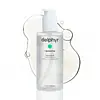
This oil-based makeup remover is made to dissolve makeup, sunscreen, and daily buildup.
This oil-based makeup remover is made to dissolve makeup, sunscreen, and daily buildup.

What's inside
What's inside
 Key Ingredients
Benefits
Concerns
Ingredients Side-by-side
Ethylhexyl Palmitate
Emollient




Sorbeth-30 Tetraoleate
Emulsifying
Triethylhexanoin
MaskingCetyl Ethylhexanoate
EmollientDiisostearyl Malate
EmollientCaprylic/Capric Triglyceride
Masking


Sorbitan Sesquioleate
Emulsifying
Caprylyl Glycol
Emollient
Ethylhexylglycerin
Skin ConditioningWater
Skin ConditioningDipropylene Glycol
HumectantGlycerin
Humectant
Hydrogenated Lecithin
Emulsifying
Polyglyceryl-10 Oleate
Skin Conditioning
Asiaticoside
Antioxidant




Madecassic Acid
Skin Conditioning
Asiatic Acid
Skin Conditioning
Ethylhexyl Palmitate, Sorbeth-30 Tetraoleate, Triethylhexanoin, Cetyl Ethylhexanoate, Diisostearyl Malate, Caprylic/Capric Triglyceride, Sorbitan Sesquioleate, Caprylyl Glycol, Ethylhexylglycerin, Water, Dipropylene Glycol, Glycerin, Hydrogenated Lecithin, Polyglyceryl-10 Oleate, Asiaticoside, Madecassic Acid, Asiatic Acid
Cetyl Ethylhexanoate
EmollientPEG-10 Isostearate
Emulsifying
Caprylic/Capric Triglyceride
Masking
Polyethylene
Abrasive
PEG-20 Glyceryl Triisostearate
Emollient
Sorbeth-30 Tetraoleate
Emulsifying
Sorbitan Sesquioleate
Emulsifying
Glyceryl Caprylate
EmollientEthylhexylglycerin
Skin ConditioningCeramide NP
Skin Conditioning
2,3-Butanediol
HumectantHydrogenated Lecithin
Emulsifying
Glyceryl Stearate
Emollient
Ceramide Ns
Skin Conditioning
Ceramide As
Skin Conditioning
Ceramide AP
Skin Conditioning
Cholesterol
Emollient
Ceramide EOP
Skin Conditioning
Tocopherol
Antioxidant


Panthenol
Skin Conditioning
Water
Skin ConditioningPantolactone
Humectant
Cetyl Ethylhexanoate, PEG-10 Isostearate, Caprylic/Capric Triglyceride, Polyethylene, PEG-20 Glyceryl Triisostearate, Sorbeth-30 Tetraoleate, Sorbitan Sesquioleate, Glyceryl Caprylate, Ethylhexylglycerin, Ceramide NP, 2,3-Butanediol, Hydrogenated Lecithin, Glyceryl Stearate, Ceramide Ns, Ceramide As, Ceramide AP, Cholesterol, Ceramide EOP, Tocopherol, Panthenol, Water, Pantolactone
Reviews
Ingredients Explained
These ingredients are found in both products.
Ingredients higher up in an ingredient list are typically present in a larger amount.
Caprylic/Capric Triglyceride (aka MCT Oil) is a lightweight emollient, solvent, and texture enhancer. It is considered a skin-softener by helping to prevent moisture loss.
Though it behaves like an oil, it is not technically one due to its chemical composition. One perk of this ingredient is that it is very stable, resistant to oxidation, and unlikely to go rancid.
In practice, that translates to a long shelf life and a consistently elegant skin feel.
While there is an assumption Caprylic Triglyceride can clog pores due to it being derived from coconut oil, there is no research supporting this. Just patch test if you have concerns.
Fractionated coconut oil and MCT Oil are both listed as Caprylic/Capric Triglyceride according to INCI. This is because INCI names are based on the ingredient’s final chemical composition and not its marketing name or source.
This ingredient is treated as the gold standard fungal acne safe oil. Even though it is coconut derived, the problematic lauric acid is stripped out.
This leaves just caprylic (C8) and capric (C10) acid. These chain lengths actually trend antifungal; a 2020 study found caprylic acid was enough to disrupt Malassezia furfur cell membrane, with a caprylic acid derivative damaging membrane structures at concentrations as low as 0.2%.
Learn more about Caprylic/Capric TriglycerideCetyl Ethylhexanoate is an emollient ester. It comes from cetearyl alcohol and 2-ethylhexanoic acid.
Cetyl Ethylhexanoate is an emollient that adds a velvety feel to skin without being greasy or oily. Emollients help trap moisture into your skin, keeping your skin soft and hydrated.
Ethylhexylglycerin is created from glycerin. It is a multitasker ingredient that:
The CIR Expert Panel found minimal skin absorption or sensitization of any kind in a safety assessment. Though this ingredient is considered well-tolerated, a small number of cases of allergic dermatitis have been published since 2002. Just be sure to patch test if you are unsure.
Industry-reported use ranges from 8% in rinse-off products and 2% in leave-on formulations.
Learn more about EthylhexylglycerinHydrogenated Lecithin is a more stable version of lecithin.
It's made by taking lecithin (a phospholipid commonly found in soybeans and egg yolks) and hydrogenating it. This just means the unsaturated fatty acids are turned into saturated ones so they don't go bad as easily.
This ingredient is an emollient, emulsifier, and penetration enhancer. As an emollient, it helps soften and hydrate skin by trapping moisture within. As an emulsifier, it prevents oil and water ingredients from separating.
Hydrogenated Lecithin can form tiny spherical structures made of phospholipid bilayers called liposomes. These liposomes are able to capture compounds inside their structure and deliver them through the skin barrier.
Because phospholipids are a natural component of our cell membranes, this ingredient is inherently compatible with skin.
A 2021 study found lecithin-based surfactants were less harsh and more tolerable comared to Sodium Lauryl Sulfate (SLS).
Learn more about Hydrogenated LecithinSorbeth-30 Tetraoleate is a surfactant and emulsifier.
This ingredient is a tetraester from oleic acid and polyethylene glycol ether of sorbitol.
As an emulsifier, it helps ingredients such as oil and water mix together. This allows the dirt and oils in your skin to be washed away.
One study found pumpkin oil containing Sorbeth-30 Tetraoleate helped hydrate the skin and did not cause any irritation.
Learn more about Sorbeth-30 TetraoleateSorbitan Sesquioleate is derived from sorbitol and oleic acid. It is an emulsifier and prevents ingredients from separating.
Specifically, this ingredient is a water-in-oil emulsifier, meaning it helps water dissolve into oil.
Some studies suggest this ingredient may cause irritation in some people. If you are unsure, it is best to patch test.
This ingredient may not be Malassezia folliculitis, or fungal-acne safe due to the oleic acid. In vitro studies have shown that Oleic Acid is one of the fatty acids that induce rapid Malassezia growth in lab settings.
This ingredient does have a comedogenic rating of 0-1. The original test stated 0-1 meant an ingredient is unlikely to cause comedones.
Just remember human testing has proved that any finished product with a comedogenic ingredient won't automatically make you break out; it really comes down to concentration, formula, and your skin.
Learn more about Sorbitan SesquioleateWater. It's the most common cosmetic ingredient of all. You'll usually see it at the top of ingredient lists, meaning that it makes up the largest part of the product.
So why is it so popular? Water most often acts as a solvent - this means that it helps dissolve other ingredients into the formulation.
You'll also recognize water as that liquid we all need to stay alive. If you see this, drink a glass of water. Remember to stay hydrated!
Learn more about Water

