

What's inside
What's inside
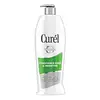 Key Ingredients
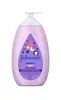
No key ingredients
Benefits
Concerns
Ingredients Side-by-side
Water
Skin ConditioningGlycerin
Humectant



Distearyldimonium Chloride
Petrolatum
Emollient

Isopropyl Palmitate
Emollient

Cetyl Alcohol
Emollient
Dimethicone
Emollient
Hydroxyacetophenone
Antioxidant

Sodium Chloride
Masking

Cetyl-Pg Hydroxyethyl Palmitamide
Skin ConditioningButylene Glycol
Humectant
Eucalyptus Globulus Leaf Extract
Perfuming
Sodium Lauroyl Lactylate
EmulsifyingCeramide NP
Skin Conditioning

Ceramide AP
Skin Conditioning
Phytosphingosine
Skin Conditioning
Cholesterol
Emollient
Xanthan Gum
EmulsifyingEthylhexylglycerin
Skin ConditioningPolyacrylic Acid
Emulsion StabilisingCeramide EOP
Skin Conditioning
Phenoxyethanol
Preservative
Water, Glycerin, Distearyldimonium Chloride, Petrolatum, Isopropyl Palmitate, Cetyl Alcohol, Dimethicone, Hydroxyacetophenone, Sodium Chloride, Cetyl-Pg Hydroxyethyl Palmitamide, Butylene Glycol, Eucalyptus Globulus Leaf Extract, Sodium Lauroyl Lactylate, Ceramide NP, Ceramide AP, Phytosphingosine, Cholesterol, Xanthan Gum, Ethylhexylglycerin, Polyacrylic Acid, Ceramide EOP, Phenoxyethanol
Water
Skin ConditioningGlycerin
Humectant
Isopropyl Palmitate
Emollient
Stearic Acid
Cleansing
Cetyl Alcohol
Emollient
Cetearyl Alcohol
Emollient
Cocos Nucifera Oil
Masking
Glyceryl Stearate
Emollient
Phenoxyethanol
Preservative
Polysorbate 20
Emulsifying
Magnesium Aluminum Silicate
AbsorbentCarbomer
Emulsion StabilisingP-Anisic Acid
MaskingXanthan Gum
EmulsifyingSodium Hydroxide
BufferingEthylhexylglycerin
Skin ConditioningParfum
Masking
Ingredients Explained
These ingredients are found in both products.
Ingredients higher up in an ingredient list are typically present in a larger amount.
Cetyl Alcohol is a fatty alcohol. Fatty Alcohols are most often used as an emollient or to thicken a product.
Its main roles are:
Though it has "alcohol" in the name, it is not related to denatured alcohol or ethyl alcohol.
The FDA allows products labeled "alcohol-free" to have fatty alcohols.
Learn more about Cetyl AlcoholEthylhexylglycerin (we can't pronounce this either) is commonly used as a preservative and skin softener. It is derived from glyceryl.
You might see Ethylhexylglycerin often paired with other preservatives such as phenoxyethanol. Ethylhexylglycerin has been found to increase the effectiveness of these other preservatives.
Glycerin is already naturally found in your skin. It helps moisturize and protect your skin.
A study from 2016 found glycerin to be more effective as a humectant than AHAs and hyaluronic acid.
As a humectant, it helps the skin stay hydrated by pulling moisture to your skin. The low molecular weight of glycerin allows it to pull moisture into the deeper layers of your skin.
Hydrated skin improves your skin barrier; Your skin barrier helps protect against irritants and bacteria.
Glycerin has also been found to have antimicrobial and antiviral properties. Due to these properties, glycerin is often used in wound and burn treatments.
In cosmetics, glycerin is usually derived from plants such as soybean or palm. However, it can also be sourced from animals, such as tallow or animal fat.
This ingredient is organic, colorless, odorless, and non-toxic.
Glycerin is the name for this ingredient in American English. British English uses Glycerol/Glycerine.
Learn more about GlycerinIsopropyl Palmitate is a texture enhancer and emollient. It is an ester of isopropyl alcohol and palmitic acid.
Palmitates are emollients. Emollients help keep your skin soft and smooth by creating a barrier that traps moisture in.
When added to cosmetics, Isopropyl Palmitate creates a silky texture and improves spreadability.
Isopropyl Palmitate may not be fungal acne safe. It can worsen acne prone skin.
Learn more about Isopropyl PalmitatePhenoxyethanol is a preservative that has germicide, antimicrobial, and aromatic properties. Studies show that phenoxyethanol can prevent microbial growth. By itself, it has a scent that is similar to that of a rose.
It's often used in formulations along with Caprylyl Glycol to preserve the shelf life of products.
Water. It's the most common cosmetic ingredient of all. You'll usually see it at the top of ingredient lists, meaning that it makes up the largest part of the product.
So why is it so popular? Water most often acts as a solvent - this means that it helps dissolve other ingredients into the formulation.
You'll also recognize water as that liquid we all need to stay alive. If you see this, drink a glass of water. Stay hydrated!
Learn more about WaterXanthan gum is used as a stabilizer and thickener within cosmetic products. It helps give products a sticky, thick feeling - preventing them from being too runny.
On the technical side of things, xanthan gum is a polysaccharide - a combination consisting of multiple sugar molecules bonded together.
Xanthan gum is a pretty common and great ingredient. It is a natural, non-toxic, non-irritating ingredient that is also commonly used in food products.
Learn more about Xanthan Gum
