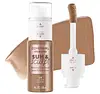
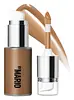
Covergirl TruBlend Sun & Sculpt Bronzing Glow Serum Versus Makeup by Mario Softsculpt Bronzing & Shaping Serum

What's inside
What's inside
 Key Ingredients
Benefits
Concerns
Ingredients Side-by-side
Water
Skin ConditioningDicaprylyl Carbonate
EmollientIsododecane
EmollientTrioctyldodecyl Citrate
Emollient2,3-Butanediol
HumectantGlycerin
Humectant


Mica
Cosmetic ColorantPolyglyceryl-4 Diisostearate/Polyhydroxystearate/Sebacate
Emulsifying

Diisostearoyl Polyglyceryl-3 Dimer Dilinoleate
Emollient
Sodium Chloride
MaskingTrimethylsiloxysilicate
Emollient
Disteardimonium Hectorite
StabilisingBoron Nitride
Absorbent
Tocopheryl Acetate
Antioxidant


Xanthan Gum
EmulsifyingPropylene Carbonate
Solvent1,2-Hexanediol
Skin Conditioning
Caprylyl Glycol
Emollient
Chlorphenesin
Antimicrobial
Panthenol
Skin Conditioning

Triethoxycaprylylsilane
Methicone
Emollient
Vaccinium Macrocarpon Fruit Extract
AstringentTocopherol
Antioxidant

3-O-Ethyl Ascorbic Acid
Skin Conditioning


Pantolactone
Humectant
CI 77891
Cosmetic ColorantCI 77491
Cosmetic ColorantCI 77492
Cosmetic ColorantCI 77499
Cosmetic ColorantWater, Dicaprylyl Carbonate, Isododecane, Trioctyldodecyl Citrate, 2,3-Butanediol, Glycerin, Mica, Polyglyceryl-4 Diisostearate/Polyhydroxystearate/Sebacate, Diisostearoyl Polyglyceryl-3 Dimer Dilinoleate, Sodium Chloride, Trimethylsiloxysilicate, Disteardimonium Hectorite, Boron Nitride, Tocopheryl Acetate, Xanthan Gum, Propylene Carbonate, 1,2-Hexanediol, Caprylyl Glycol, Chlorphenesin, Panthenol, Triethoxycaprylylsilane, Methicone, Vaccinium Macrocarpon Fruit Extract, Tocopherol, 3-O-Ethyl Ascorbic Acid, Pantolactone, CI 77891, CI 77491, CI 77492, CI 77499
Water
Skin ConditioningHydrogenated Polyisobutene
EmollientGlycerin
Humectant
Caprylic/Capric Triglyceride
Masking
Glyceryl Oleate Citrate
Emulsifying
Hexyl Laurate
Emollient
Silica
Abrasive
Hyaluronic Acid
Humectant
Caffeine
Skin Conditioning
Palmitoyl Tripeptide-1
Skin Conditioning
Palmitoyl Tetrapeptide-7
Skin Conditioning
Tocopherol
Antioxidant
Hydroxyethyl Acrylate/Sodium Acryloyldimethyl Taurate Copolymer
Emulsion StabilisingPolyacrylate Crosspolymer-6
Emulsion StabilisingC18-36 Acid Glycol Ester
EmollientC18-36 Acid Triglyceride
EmollientC12-15 Alkyl Benzoate
AntimicrobialBoron Nitride
Absorbent
Sorbitan Isostearate
Emulsifying
Sorbitan Laurate
Emulsifying
Sodium Benzoate
Masking
Triethoxycaprylylsilane
Tin Oxide
Abrasive
Mica
Cosmetic ColorantEthylhexylglycerin
Skin ConditioningPhenoxyethanol
Preservative
CI 77891
Cosmetic ColorantIron Oxides
Water, Hydrogenated Polyisobutene, Glycerin, Caprylic/Capric Triglyceride, Glyceryl Oleate Citrate, Hexyl Laurate, Silica, Hyaluronic Acid, Caffeine, Palmitoyl Tripeptide-1, Palmitoyl Tetrapeptide-7, Tocopherol, Hydroxyethyl Acrylate/Sodium Acryloyldimethyl Taurate Copolymer, Polyacrylate Crosspolymer-6, C18-36 Acid Glycol Ester, C18-36 Acid Triglyceride, C12-15 Alkyl Benzoate, Boron Nitride, Sorbitan Isostearate, Sorbitan Laurate, Sodium Benzoate, Triethoxycaprylylsilane, Tin Oxide, Mica, Ethylhexylglycerin, Phenoxyethanol, CI 77891, Iron Oxides
Reviews
Ingredients Explained
These ingredients are found in both products.
Ingredients higher up in an ingredient list are typically present in a larger amount.
Boron Nitride is compound consisting of boron and nitrogen. It is used to absorb oil and modify adherence/ slip in products.
This means it is often used in makeup products to help them last longer.
Ci 77891 is a white pigment from Titanium dioxide. It is naturally found in minerals such as rutile and ilmenite.
It's main function is to add a white color to cosmetics. It can also be mixed with other colors to create different shades.
Ci 77891 is commonly found in sunscreens due to its ability to block UV rays.
Learn more about CI 77891Glycerin (or glycerol) is a compound naturally found in your skin. It's a powerhouse humectant that pulls water into the stratum corneum.
Topically, glycerin does several things at once:
Your skin makes glycerin on its own (mostly from sebaceous oil breakdown) and shuttles it to your outermost layer of skin, or your epidermis, via aquaporin-3.
Aquaporin-3 is a transporter that is essential for normal skin hydration, elasticity, and repair. Interestingly, mice lacking in AQP3 have dry and less elastic skin that can be fully corrected with glycerin.
This ingredient is non-irritating, plays well with almost every ingredient, and works across all skin types. Typical use is anywhere between 3-10% but can go up to 79% in some leave-on products.
Just know very high concentrations (>40%) can feel tacky in low humidity.
Glycerin is the name for this ingredient in American English. British English uses Glycerol/Glycerine.
Learn more about GlycerinMica is a naturally occurring mineral used to add shimmer and color in cosmetics. It can also help improve the texture of a product or give it an opaque, white/silver color.
Serecite is the name for very fine but ragged grains of mica.
This ingredient is often coated with metal oxides like titanium dioxide. Trace amounts of heavy metals may be found in mica, but these metals are not harmful in our personal products.
Mica has been used since prehistoric times throughout the world. Ancient Egyptian, Indian, Greek, Roman, Aztec, and Chinese civilizations have used mica.
Learn more about MicaTocopherol is a fat-soluble antioxidant known as Vitamin E.
You'll find this ingredient in the vast majority of skincare (for good reason). It works to neutralize free radicals, or unstable molecules generated by UV exposure, pollution, and other environmental stressors, before they can cause oxidative damage to your skin cells.
Topically applied tocopherol has been shown to protect against UV damage by ramping up the skin's own natural defense enzymes.
It also acts as a skin conditioning agent; some studies show that regular topical use can improve the skin's water-binding capacity over 2-4 weeks.
This ingredient is especially loved for being a team player. When combined with Vitamin C, the photoprotective effect of both ingredients roughly doubles and the combo also helps reduce UV-induced DNA damage.
This ingredient has some brightening potential but it's more of a prevention ingredient than spot-fader. Cell studies show it can slow down melanin production but it's worth noting that it's not the most powerful brightener out there.
In formulations, it also serves as a stabilizer that helps protect other oxidation-prone ingredients from degrading.
Concentrations usually range from 0.1-1% in most leave-on products.
Learn more about TocopherolTriethoxycaprylylsilane is a silicon-based surface modifier that makes sunscreens feel silky and makeup stay put.
Its main job is to coat mineral particles like titanium dioxide, zinc oxide, and color pigments in a thin, oily layer so they spread smoothly, don't clump, and stick to skin better.
This ingredient is typically used at low levels (up to 2.5% in eyeshadow and 1% in lipstick).
Learn more about TriethoxycaprylylsilaneWater. It's the most common cosmetic ingredient of all. You'll usually see it at the top of ingredient lists, meaning that it makes up the largest part of the product.
So why is it so popular? Water most often acts as a solvent - this means that it helps dissolve other ingredients into the formulation.
You'll also recognize water as that liquid we all need to stay alive. If you see this, drink a glass of water. Remember to stay hydrated!
Learn more about Water

