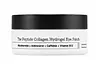
This anti-aging eye mask is formulated around Niacinamide and Acetyl Hexapeptide-8 to soften the look of wrinkles.
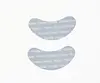
This anti-aging eye mask is formulated around Caffeine to soften the look of wrinkles.


What's inside
What's inside
 Key Ingredients
Benefits
Concerns
Ingredients Side-by-side
Water
Skin ConditioningDipropylene Glycol
HumectantGlycerin
Humectant


Niacinamide
Smoothing









Ceratonia Siliqua Gum
EmollientChondrus Crispus Powder
Abrasive


Chondrus Crispus
Masking
Cellulose Gum
Emulsion StabilisingHydroxyacetophenone
Antioxidant
Algin
MaskingCaprylyl Glycol
Emollient
Potassium Chloride
Betaine
Humectant
Panthenol
Skin Conditioning
Sucrose
Humectant
Ethylhexylglycerin
Skin ConditioningSodium Polyacrylate
Absorbent
Polyglyceryl-10 Laurate
Skin Conditioning

Adenosine
Skin Conditioning
Polyglyceryl-10 Myristate
Skin Conditioning
Maltodextrin
Absorbent
Caffeine
Skin Conditioning
Collagen
Moisturising
Butylene Glycol
Humectant
Cyanocobalamin
Skin Conditioning1,2-Hexanediol
Skin Conditioning
Sodium Hyaluronate
Humectant
Dipotassium Glycyrrhizate
Humectant
Pantolactone
Humectant
Pentylene Glycol
Skin Conditioning
Acetyl Hexapeptide-8
Humectant
Dunaliella Salina Extract
Skin ConditioningSh-Polypeptide-121
Skin Conditioning
Palmitoyl Tripeptide-5
Skin Conditioning
Hydrolyzed Hyaluronic Acid
Humectant
Hyaluronic Acid
Humectant
Potassium Hyaluronate
Skin ConditioningHydrolyzed Sodium Hyaluronate
Skin Conditioning
Acetyl Tetrapeptide-5
Humectant
Citric Acid
Buffering
Disodium EDTA
ChelatingWater, Dipropylene Glycol, Glycerin, Niacinamide, Ceratonia Siliqua Gum, Chondrus Crispus Powder, Chondrus Crispus, Cellulose Gum, Hydroxyacetophenone, Algin, Caprylyl Glycol, Potassium Chloride, Betaine, Panthenol, Sucrose, Ethylhexylglycerin, Sodium Polyacrylate, Polyglyceryl-10 Laurate, Adenosine, Polyglyceryl-10 Myristate, Maltodextrin, Caffeine, Collagen, Butylene Glycol, Cyanocobalamin, 1,2-Hexanediol, Sodium Hyaluronate, Dipotassium Glycyrrhizate, Pantolactone, Pentylene Glycol, Acetyl Hexapeptide-8, Dunaliella Salina Extract, Sh-Polypeptide-121, Palmitoyl Tripeptide-5, Hydrolyzed Hyaluronic Acid, Hyaluronic Acid, Potassium Hyaluronate, Hydrolyzed Sodium Hyaluronate, Acetyl Tetrapeptide-5, Citric Acid, Disodium EDTA
Water
Skin ConditioningGlycerin
Humectant
Sodium Polyacrylate
Absorbent
Polyvinyl Alcohol
Sodium PCA
Humectant
Acetyl Tetrapeptide-5
Humectant
Caffeine
Skin Conditioning
Cocos Nucifera Oil
Masking



Tartaric Acid
Buffering
Chondrus Crispus Powder
Abrasive
Ceratonia Siliqua Gum
EmollientHydroxyacetophenone
Antioxidant
Carrageenan
Xanthan Gum
EmulsifyingAgar
MaskingPolyglyceryl-3 Methylglucose Distearate
Emulsifying
Polyacrylic Acid
Emulsion StabilisingButylene Glycol
Humectant
Potassium Chloride
Aluminum Glycinate
AstringentSodium Phytate
ChelatingChlorphenesin
Antimicrobial
Water, Glycerin, Sodium Polyacrylate, Polyvinyl Alcohol, Sodium PCA, Acetyl Tetrapeptide-5, Caffeine, Cocos Nucifera Oil, Tartaric Acid, Chondrus Crispus Powder, Ceratonia Siliqua Gum, Hydroxyacetophenone, Carrageenan, Xanthan Gum, Agar, Polyglyceryl-3 Methylglucose Distearate, Polyacrylic Acid, Butylene Glycol, Potassium Chloride, Aluminum Glycinate, Sodium Phytate, Chlorphenesin
Reviews
Ingredients Explained
These ingredients are found in both products.
Ingredients higher up in an ingredient list are typically present in a larger amount.
Acetyl Tetrapeptide-5 is a peptide that goes by another name, eyeseryl, due to claims that it can help reduce eye puffiness.
The manufacturer claims this ingredient reduces eye puffiness by:
An in-vivo study from the manufacturer found 95% of volunteers saw eye bag improvement by the end of the study.
Eye puffiness is caused by two major factors: fluid retention and fat.
Those with fluid retention may see improvement from using this ingredient. However, those with eye fat will need surgical intervention in order to get rid of puffiness.
Learn more about Acetyl Tetrapeptide-5Butylene Glycol (or BG) is used within cosmetic products for a few different reasons:
Overall, Butylene Glycol is a safe and well-rounded ingredient that works well with other ingredients.
Though this ingredient works well with most skin types, some people with sensitive skin may experience a reaction such as allergic rashes, closed comedones, or itchiness.
Learn more about Butylene GlycolCaffeine is a naturally occurring plant compound found in coffee beans, tea leaves, cocoa pods, and guarana.
As an antioxidant, caffeine protects your skin from free radical damage caused by UV exposure and envionrmnetal stressors.
Early research also shows that caffeine can help calm redness, soothe irritated skin, and support hair growth by stimulating microcirculation in the scalp.
You might have seen eye creams marketing caffeine as a depuffing ingredient. This is because it is a vasoconstrictor meaning it can temporarily constrict blood vessels, though clinical evidence for this specific use is still limited.
Most skincare products contain this ingredient at concentrations between 1-6%. It is able to penetrate skin easily regardless of skin type or thickness.
Just so you know, a very small number of case reports describe caffeine-induced allergy. This ingredient is generally well-tolerated, non-irritating, and non-sensitizing for the majority of people.
Learn more about CaffeineCeratonia Siliqua Gum is extracted from the seeds of the carob tree. You might know this ingredient as Carob Gum or Locust Bean Gum. It is used to stabilize other ingredients and improve the texture of products.
Carob gum is made up of long-chain polysaccharides. This makes it a natural thickener.
Yes! This ingredient comes from the seeds of a tree. The name 'Locust Bean Gum' can be misleading.
Learn more about Ceratonia Siliqua GumChondrus Crispus Powder is just Irish moss, a red seaweed harvested, dried, and ground into a fine powder. Because it's the whole plant rather than a liquid extract, it has an official INCI job as an "abrasive".
This ingredient also happens to be loaded with carrageenan, a sugar-based polysaccharide, that allows it to double as a thickener and light hydrator.
Real world concentration is low; industry surveys report a maximum of 0.1% across 63 leave-on products.
The Cosmetic Ingredient Review Expert Panel reviewed it in 2021 and concluded it's safe at current use levels and every human sensitization study on it came back negative.
Allergy risk is very low with no documented pattern of reactions but anyone with a known seaweed or iodine sensitivity may want to patch test since dried Chondrus crispus does carry a small amount of natural iodine.
Learn more about Chondrus Crispus PowderGlycerin (or glycerol) is a compound naturally found in your skin. It's a powerhouse humectant that pulls water into the stratum corneum.
Topically, glycerin does several things at once:
Your skin makes glycerin on its own (mostly from sebaceous oil breakdown) and shuttles it to your outermost layer of skin, or your epidermis, via aquaporin-3.
Aquaporin-3 is a transporter that is essential for normal skin hydration, elasticity, and repair. Interestingly, mice lacking in AQP3 have dry and less elastic skin that can be fully corrected with glycerin.
This ingredient is non-irritating, plays well with almost every ingredient, and works across all skin types. Typical use is anywhere between 3-10% but can go up to 79% in some leave-on products.
Just know very high concentrations (>40%) can feel tacky in low humidity.
Glycerin is the name for this ingredient in American English. British English uses Glycerol/Glycerine.
Learn more about GlycerinHydroxyacetophenone is a small phenolic molecule that earns its place in a formulas as an antioxidant and preservative booster.
As a phenol, it is able to neutralize free radicals to protect both the product and the skin from oxidative stress.
Though it can't kill microbes on its own, it works as a good supporting agent when combined with other preservatives like Phenoxyethanol or 1,2-Hexanediol.
This ingredient naturally occurs as piceol in Norwegian spruce needles (~0.4-1.1% dry weight and in cloudberries). Though the cosmetic-grade material is synthesized for purity and consistency.
You'll usually see it used at low levels and suppliers recommend up to 1% added to a water phase.
Safety testing was done at concentrations like 0.05% in SPF products and 0.5% in a Human Repeated Insult Patch Test. The safety evidence is assuring; this ingredient is safe for cosmetics in current use and also holds safety status as a food flavoring as well.
An honest caveat: the "soothing" and "anti-inflammatory" claims come mostly from supplier marketing rather than published clinical trials. The Cosmetic Ingredient Review's own literature search found no useful efficacy studies on this ingredient.
So the antioxidant and preservative-boosting roles are the well supported ones while the calming benefit is plausible but thinly evidenced.
Overall, this is a well-tolerated, low-irritation multitasker that quietly helps a formula stay fresh and stable.
Learn more about HydroxyacetophenoneWe don't have a description for Potassium Chloride yet.
Sodium Polyacrylate is the sodium salt of polyacrylic acid. It is used as an absorber, emollient, and stabilizer.
This ingredient is a super-absorbent polymer - meaning it can absorb 100 to 1000 times its mass in water. As an emollient, Sodium Polyacrylate helps soften and soothe skin. Emollients work by creating a barrier to trap moisture in. This helps keep your skin hydrated.
Water. It's the most common cosmetic ingredient of all. You'll usually see it at the top of ingredient lists, meaning that it makes up the largest part of the product.
So why is it so popular? Water most often acts as a solvent - this means that it helps dissolve other ingredients into the formulation.
You'll also recognize water as that liquid we all need to stay alive. If you see this, drink a glass of water. Remember to stay hydrated!
Learn more about Water

