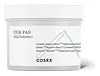
This calming toner pad uses a pre-saturated pad with Centella Asiatica Extract and Panthenol to calm redness and strengthen the skin barrier.
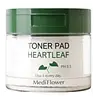
This calming toner pad uses a pre-saturated pad with Houttuynia Cordata Extract and Panthenol to calm redness and hydrate skin.

What's inside
What's inside
 Key Ingredients
Benefits
Concerns
Ingredients Side-by-side
Centella Asiatica Extract
Cleansing





Centella Asiatica Leaf Extract
Skin Conditioning
Centella Asiatica Root Extract
Skin Conditioning
Butylene Glycol
Humectant
1,2-Hexanediol
Skin Conditioning
Panthenol
Skin Conditioning
Mentha Aquatica Extract
TonicAllantoin
Skin Conditioning
Glycerin
Humectant
Polyglyceryl-10 Laurate
Skin Conditioning

Polyglyceryl-10 Myristate
Skin Conditioning
Hydroxyethyl Acrylate/Sodium Acryloyldimethyl Taurate Copolymer
Emulsion StabilisingAlpha-Arbutin
Antioxidant



Xanthan Gum
EmulsifyingAsiaticoside
Antioxidant
Asiatic Acid
Skin Conditioning
Madecassic Acid
Skin Conditioning
Madecassoside
Antioxidant
Sodium Hyaluronate
Humectant
Menthyl Lactate
Masking
Mentha Haplocalix Extract
MaskingCentella Asiatica Extract, Centella Asiatica Leaf Extract, Centella Asiatica Root Extract, Butylene Glycol, 1,2-Hexanediol, Panthenol, Mentha Aquatica Extract, Allantoin, Glycerin, Polyglyceryl-10 Laurate, Polyglyceryl-10 Myristate, Hydroxyethyl Acrylate/Sodium Acryloyldimethyl Taurate Copolymer, Alpha-Arbutin, Xanthan Gum, Asiaticoside, Asiatic Acid, Madecassic Acid, Madecassoside, Sodium Hyaluronate, Menthyl Lactate, Mentha Haplocalix Extract
Water
Skin ConditioningHouttuynia Cordata Extract
Skin Conditioning
Glycerin
Humectant
Butylene Glycol
Humectant
1,2-Hexanediol
Skin Conditioning
Lactobacillus/Aloe Barbadensis Ferment Filtrate
Skin ConditioningPolygonum Multiflorum Root Extract
Skin ConditioningTaraxacum Officinale Extract
Skin ConditioningAngelica Gigas Root Extract
Skin ConditioningCarthamus Tinctorius Flower Extract
Skin ConditioningSophora Flavescens Root Extract
Antioxidant
Panax Ginseng Root Extract
Emollient
Thuja Occidentalis Leaf Extract
Antioxidant
Acorus Calamus Root Extract
Perfuming
Camellia Sinensis Leaf Extract
Antimicrobial

Morus Alba Leaf Extract
Skin ConditioningGinkgo Biloba Leaf Extract
Skin Conditioning
Ficus Carica Fruit Extract
Humectant
Punica Granatum Fruit Extract
Antioxidant
Adenosine
Skin Conditioning
Allantoin
Skin Conditioning
Panthenol
Skin Conditioning
Niacinamide
Smoothing

Urea
Buffering
Octyldodeceth-16
EmulsifyingDisodium EDTA
Dipotassium Glycyrrhizate
Humectant
Sodium Citrate
BufferingTocopheryl Acetate
Antioxidant
Zinc Sulfate
Antimicrobial
Glycine
Buffering
Taurine
BufferingCalcium Chloride
AstringentPotassium Iodide
AntimicrobialMagnesium Sulfate
Sodium Dilauramidoglutamide Lysine
HumectantPanax Ginseng Callus Culture Extract
Skin ConditioningParfum
Masking


Sh-Oligopeptide-1
Skin Conditioning
Water, Houttuynia Cordata Extract, Glycerin, Butylene Glycol, 1,2-Hexanediol, Lactobacillus/Aloe Barbadensis Ferment Filtrate, Polygonum Multiflorum Root Extract, Taraxacum Officinale Extract, Angelica Gigas Root Extract, Carthamus Tinctorius Flower Extract, Sophora Flavescens Root Extract, Panax Ginseng Root Extract, Thuja Occidentalis Leaf Extract, Acorus Calamus Root Extract, Camellia Sinensis Leaf Extract, Morus Alba Leaf Extract, Ginkgo Biloba Leaf Extract, Ficus Carica Fruit Extract, Punica Granatum Fruit Extract, Adenosine, Allantoin, Panthenol, Niacinamide, Urea, Octyldodeceth-16, Disodium EDTA, Dipotassium Glycyrrhizate, Sodium Citrate, Tocopheryl Acetate, Zinc Sulfate, Glycine, Taurine, Calcium Chloride, Potassium Iodide, Magnesium Sulfate, Sodium Dilauramidoglutamide Lysine, Panax Ginseng Callus Culture Extract, Parfum, Sh-Oligopeptide-1
Reviews
Ingredients Explained
These ingredients are found in both products.
Ingredients higher up in an ingredient list are typically present in a larger amount.
1,2-Hexanediol is a synthetic liquid and another multi-functional powerhouse.
It is a:
- Humectant, drawing moisture into the skin
- Emollient, helping to soften skin
- Solvent, dispersing and stabilizing formulas
- Preservative booster, enhancing the antimicrobial activity of other preservatives
Allantoin is a soothing ingredient known for its protective and moisturizing properties; it's basically a quiet workhorse ingredient you can find in a huge range of cosmetics.
Though it can be derived from the comfrey plant, allantoin is produced synthetically for cosmetic products to ensure purity.
Research shows it can encourage your skin cells to turn over and renew by stimulating keratinocyte and fibroblast proliferation.
It also has mild keratolytic properties to help loosen and shed dead skin cells without being harsh.
Studies also suggest allantoin can help calm inflammation by dialing down some of the chemical signals your skin sends out when it is irritated.
This ingredient is typically used in the 0.1-0.5% range, and the FDA recognizes it as a skin protectant in OTC products up to 2%.
Overall, allantoin is a wonderful addition to most routines; it is stable across a wide pH range (~4-8), works well with other ingredients, and is considered non-sensitizing/non-irritating.
Fun fact: Allantoin is naturally occurring in comfrey root, beets, chamomile, and wheat sprouts. Our bodies even produce it as a byproduct of uric acid metabolism.
Learn more about AllantoinButylene Glycol (or BG) is used within cosmetic products for a few different reasons:
Overall, Butylene Glycol is a safe and well-rounded ingredient that works well with other ingredients.
Though this ingredient works well with most skin types, some people with sensitive skin may experience a reaction such as allergic rashes, closed comedones, or itchiness.
Learn more about Butylene GlycolGlycerin (or glycerol) is a compound naturally found in your skin. It's a powerhouse humectant that pulls water into the stratum corneum.
Topically, glycerin does several things at once:
Your skin makes glycerin on its own (mostly from sebaceous oil breakdown) and shuttles it to your outermost layer of skin, or your epidermis, via aquaporin-3.
Aquaporin-3 is a transporter that is essential for normal skin hydration, elasticity, and repair. Interestingly, mice lacking in AQP3 have dry and less elastic skin that can be fully corrected with glycerin.
This ingredient is non-irritating, plays well with almost every ingredient, and works across all skin types. Typical use is anywhere between 3-10% but can go up to 79% in some leave-on products.
Just know very high concentrations (>40%) can feel tacky in low humidity.
Glycerin is the name for this ingredient in American English. British English uses Glycerol/Glycerine.
Learn more about GlycerinPanthenol is a common ingredient that helps hydrate and soothe the skin. It is found naturally in our skin and hair.
There are two forms of panthenol: D and L.
D-panthenol is also known as dexpanthenol. Most cosmetics use dexpanthenol or a mixture of D and L-panthenol.
Panthenol is famous due to its ability to go deeper into the skin's layers. Using this ingredient has numerous pros (and no cons):
Like hyaluronic acid, panthenol is a humectant. Humectants are able to bind and hold large amounts of water to keep skin hydrated.
This ingredient works well for wound healing. It works by increasing tissue in the wound and helps close open wounds.
Once oxidized, panthenol converts to pantothenic acid. Panthothenic acid is found in all living cells.
This ingredient is also referred to as pro-vitamin B5.
Learn more about Panthenol

