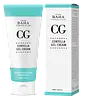
This calming moisturizer is formulated around Centella Asiatica Extract and Niacinamide to calm redness and strengthen the skin barrier.
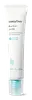
This calming treatment is formulated around Panthenol and Madecassoside to calm redness and strengthen the skin barrier.

What's inside
What's inside
 Key Ingredients
Benefits
Concerns
Ingredients Side-by-side
Centella Asiatica Extract
Cleansing





Glycerin
Humectant
Isononyl Isononanoate
EmollientPropanediol
Solvent
Niacinamide
Smoothing





1,2-Hexanediol
Skin Conditioning
Polyglyceryl-3 Methylglucose Distearate
Emulsifying

Aloe Barbadensis Leaf Extract
Emollient
Caffeine
Skin Conditioning
Panthenol
Skin Conditioning
Sodium Hyaluronate
Humectant
Camellia Sinensis Leaf Extract
Antimicrobial
Momordica Charantia Fruit Extract
Skin ConditioningSambucus Nigra Flower Extract
RefreshingLeontopodium Alpinum Extract
Skin ConditioningAllantoin
Skin Conditioning
Tocopheryl Acetate
Antioxidant
Acrylates/C10-30 Alkyl Acrylate Crosspolymer
Emulsion StabilisingAmmonium Acryloyldimethyltaurate/Vp Copolymer
Cetearyl Alcohol
Emollient




Tromethamine
BufferingCentella Asiatica Extract, Glycerin, Isononyl Isononanoate, Propanediol, Niacinamide, 1,2-Hexanediol, Polyglyceryl-3 Methylglucose Distearate, Aloe Barbadensis Leaf Extract, Caffeine, Panthenol, Sodium Hyaluronate, Camellia Sinensis Leaf Extract, Momordica Charantia Fruit Extract, Sambucus Nigra Flower Extract, Leontopodium Alpinum Extract, Allantoin, Tocopheryl Acetate, Acrylates/C10-30 Alkyl Acrylate Crosspolymer, Ammonium Acryloyldimethyltaurate/Vp Copolymer, Cetearyl Alcohol, Tromethamine
Water
Skin ConditioningPropanediol
Solvent
Panthenol
Skin Conditioning
1,2-Hexanediol
Skin Conditioning
Carbomer
Emulsion StabilisingHydroxyethyl Acrylate/Sodium Acryloyldimethyl Taurate Copolymer
Emulsion StabilisingTromethamine
BufferingButylene Glycol
Humectant
Pentylene Glycol
Skin Conditioning
Disodium EDTA
Madecassoside
Antioxidant
Sorbitan Isostearate
Emulsifying
Polysorbate 60
Emulsifying
Torreya Nucifera Seed Oil
Emollient
Xanthan Gum
EmulsifyingAsiaticoside
Antioxidant
Madecassic Acid
Skin Conditioning
Asiatic Acid
Skin Conditioning
Achillea Millefolium Extract
CleansingWater, Propanediol, Panthenol, 1,2-Hexanediol, Carbomer, Hydroxyethyl Acrylate/Sodium Acryloyldimethyl Taurate Copolymer, Tromethamine, Butylene Glycol, Pentylene Glycol, Disodium EDTA, Madecassoside, Sorbitan Isostearate, Polysorbate 60, Torreya Nucifera Seed Oil, Xanthan Gum, Asiaticoside, Madecassic Acid, Asiatic Acid, Achillea Millefolium Extract
Reviews
Ingredients Explained
These ingredients are found in both products.
Ingredients higher up in an ingredient list are typically present in a larger amount.
1,2-Hexanediol is a synthetic liquid and another multi-functional powerhouse.
It is a:
- Humectant, drawing moisture into the skin
- Emollient, helping to soften skin
- Solvent, dispersing and stabilizing formulas
- Preservative booster, enhancing the antimicrobial activity of other preservatives
Panthenol is a common ingredient that helps hydrate and soothe the skin. It is found naturally in our skin and hair.
There are two forms of panthenol: D and L.
D-panthenol is also known as dexpanthenol. Most cosmetics use dexpanthenol or a mixture of D and L-panthenol.
Panthenol is famous due to its ability to go deeper into the skin's layers. Using this ingredient has numerous pros (and no cons):
Like hyaluronic acid, panthenol is a humectant. Humectants are able to bind and hold large amounts of water to keep skin hydrated.
This ingredient works well for wound healing. It works by increasing tissue in the wound and helps close open wounds.
Once oxidized, panthenol converts to pantothenic acid. Panthothenic acid is found in all living cells.
This ingredient is also referred to as pro-vitamin B5.
Learn more about PanthenolPropanediol is an all-star ingredient. It softens, hydrates, and smooths the skin.
It’s often used to:
Propanediol is not likely to cause sensitivity and considered safe to use. It is derived from corn or petroleum with a clear color and no scent.
Learn more about PropanediolTromethamine (aka THAM) is a synthetic amino acid that shows up in skincare as a helper ingredient.
It functions as a pH adjuster to help neutralize acidic ingredients and set a formula's pH to the right spot.
This matters a lot because a lot of actives (like vitamin C) needs a specific pH to work well and feel comfortable on skin.
Concentration use ranges from 0.1-1.0% depending on the formula.
Learn more about Tromethamine

