This chemical sunscreen covers most of the UV range, lighter on the deep UVA that drives aging.
This chemical sunscreen covers the full UV range and blocks ~97% of UVB at SPF 30.


What's inside
What's inside
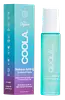 Key Ingredients
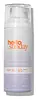
Benefits
Concerns
Ingredients Side-by-side
Butyl Methoxydibenzoylmethane 2.8%
UV Absorber
Homosalate 3.5%
Skin Conditioning
Ethylhexyl Salicylate 3.9%
UV Absorber
Alcohol
Antimicrobial




Isodecyl Neopentanoate
EmollientDicaprylyl Carbonate
EmollientDiisopropyl Adipate
EmollientSilica
Abrasive


Silica Silylate
Emollient
Citrus Aurantium Dulcis Fruit Water
MaskingSodium Hyaluronate
Humectant




Helianthus Annuus Seed Oil
Emollient

Phoenix Dactylifera Leaf Cell Extract
MaskingPaeonia Lactiflora Leaf Cell Extract
Antioxidant
Juniperus Communis Callus Extract
Antioxidant
Cucumis Sativus Fruit Extract
Emollient
Laminaria Digitata Extract
Skin Protecting
Aloe Barbadensis Leaf Extract
Emollient
Glycerin
Humectant
Water
Skin ConditioningEthyl Ferulate
Antioxidant
Pvp
Emulsion StabilisingParfum
Masking

Butyl Methoxydibenzoylmethane 2.8%, Homosalate 3.5%, Ethylhexyl Salicylate 3.9%, Alcohol, Isodecyl Neopentanoate, Dicaprylyl Carbonate, Diisopropyl Adipate, Silica, Silica Silylate, Citrus Aurantium Dulcis Fruit Water, Sodium Hyaluronate, Helianthus Annuus Seed Oil, Phoenix Dactylifera Leaf Cell Extract, Paeonia Lactiflora Leaf Cell Extract, Juniperus Communis Callus Extract, Cucumis Sativus Fruit Extract, Laminaria Digitata Extract, Aloe Barbadensis Leaf Extract, Glycerin, Water, Ethyl Ferulate, Pvp, Parfum
Water
Skin ConditioningC12-15 Alkyl Benzoate
AntimicrobialCoco-Caprylate/Caprate
Emollient
Octocrylene
UV Absorber
Dicaprylyl Carbonate
EmollientDicaprylyl Ether
Emollient
Butyl Methoxydibenzoylmethane
UV Absorber
Bis-Ethylhexyloxyphenol Methoxyphenyl Triazine
UV Absorber
Ethylhexyl Triazone
UV Absorber
Phenylbenzimidazole Sulfonic Acid
UV Absorber
Trimethoxybenzylidene Pentanedione
Antioxidant
Vp/Acrylates/Lauryl Methacrylate Copolymer
Sodium Hydroxide
BufferingPhenoxyethanol
Preservative
Carnosine
Skin Conditioning
Tetrasodium Glutamate Diacetate
ChelatingEthylhexyl Palmitate
Emollient
Caprylyl Glycol
Emollient
Tocopherol
Antioxidant


Silica Dimethyl Silylate
EmollientButylene Glycol
Humectant
Pentylene Glycol
Skin Conditioning
Sodium Hyaluronate
Humectant
Water, C12-15 Alkyl Benzoate, Coco-Caprylate/Caprate, Octocrylene, Dicaprylyl Carbonate, Dicaprylyl Ether, Butyl Methoxydibenzoylmethane, Bis-Ethylhexyloxyphenol Methoxyphenyl Triazine, Ethylhexyl Triazone, Phenylbenzimidazole Sulfonic Acid, Trimethoxybenzylidene Pentanedione, Vp/Acrylates/Lauryl Methacrylate Copolymer, Sodium Hydroxide, Phenoxyethanol, Carnosine, Tetrasodium Glutamate Diacetate, Ethylhexyl Palmitate, Caprylyl Glycol, Tocopherol, Silica Dimethyl Silylate, Butylene Glycol, Pentylene Glycol, Sodium Hyaluronate
Reviews
Ingredients Explained
These ingredients are found in both products.
Ingredients higher up in an ingredient list are typically present in a larger amount.
Also known as Avobenzone, this ingredient is an oil-soluble used to absorb the full spectrum of UVA rays (peak 357 nm).
It's one of the most effective UVA filters available but has a major caveat of photostability: avobenzone is susceptible to photodegradation.
This means it can lose efficacy when exposed to sunlight without the help of a stabilizing agent.
Studies show antioxidants (like vitamin E or vitamin C) and some UV filters (like octocrylene and Tinosorb S) can meaningfully improve its stability in a formulation.
The maximum allowable concentration according to regulation is 3% in the US + Canada, and 5% in the EU, Australia, China, Korea, and ASEAN countries.
It has a well-support safety profile: a comprehensive 2025 review found minimal toxicity with no evidence of carcinogenicity.
Overall, avobenzone is a safe and regulated ingredient used in sunscreen for over 40 years.
Learn more about Butyl MethoxydibenzoylmethaneDicaprylyl Carbonate comes from carbonic acid and caprylyl alcohol, a fatty alcohol. It is an emollient and gives skin a velvet feel. The sources of Dicaprylyl Carbonate may be synthetic or from animals.
As an emollient, Dicaprylyl Carbonate creates a film on the skin. This film traps moisture in, keeping your skin soft and hydrated.
Sodium Hyaluronate is the salt form of hyaluronic acid. It is a long sugar chain that is naturally found in your skin, joints, and connective tissue that maintains hydration and elasticity.
In skincare, it works as a humectant. It pulls water from the environment and deeper layers of skin and binds it to the surface.
Interestingly, the size of the molecule affects its behavior:
Some clinical evidence links low molecular weight versions to improved wrinkle depth, elasticity, anti-inflammatory effects, and barrier repair.
Many serums use a blend of both weights so you can get surface hydration plus longer-lasting and deeper effects.
You'll typically see concentrations between 0.1-2% for this ingredient.
Learn more about Sodium HyaluronateWater. It's the most common cosmetic ingredient of all. You'll usually see it at the top of ingredient lists, meaning that it makes up the largest part of the product.
So why is it so popular? Water most often acts as a solvent - this means that it helps dissolve other ingredients into the formulation.
You'll also recognize water as that liquid we all need to stay alive. If you see this, drink a glass of water. Remember to stay hydrated!
Learn more about Water

