Colorescience Sunforgettable Total Protection Color Balm SPF50 PA++++ Versus ciele. Blush & Protect SPF 50+ Liquid Blush

What's inside
What's inside
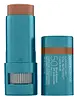 Key Ingredients
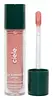
Benefits
Concerns
Ingredients Side-by-side
Jojoba Esters
Emollient

Calcium Sodium Borosilicate
Synthetic Fluorphlogopite
Mica
Cosmetic ColorantButyloctyl Salicylate
Skin Conditioning

C26-28 Alkyl Dimethicone
Skin Conditioning
Squalane
Emollient


C18-36 Acid Triglyceride
EmollientGlyceryl Dibehenate
Emollient
Tridecyl Salicylate
Skin Conditioning
Euphorbia Cerifera Wax
Vp/Eicosene Copolymer
Tribehenin
Emollient
Methylpropanediol
SolventLecithin
Emollient
Dimethiconol
Emollient
Glyceryl Behenate
Emollient
Copernicia Cerifera Wax
Caprylyl Glycol
Emollient
Physalis Angulata Extract
Skin ProtectingCaprylic/Capric Triglyceride
Masking
Bisabolol
Antioxidant



Tocopheryl Acetate
Antioxidant

Phenylpropanol
Masking

Tin Oxide
Abrasive
Dimethylmethoxy Chromanol
Antioxidant
Dimethicone
Emollient
Tocopherol
Antioxidant
Iron Oxides
CI 77891
Cosmetic ColorantJojoba Esters, Calcium Sodium Borosilicate, Synthetic Fluorphlogopite, Mica, Butyloctyl Salicylate, C26-28 Alkyl Dimethicone, Squalane, C18-36 Acid Triglyceride, Glyceryl Dibehenate, Tridecyl Salicylate, Euphorbia Cerifera Wax, Vp/Eicosene Copolymer, Tribehenin, Methylpropanediol, Lecithin, Dimethiconol, Glyceryl Behenate, Copernicia Cerifera Wax, Caprylyl Glycol, Physalis Angulata Extract, Caprylic/Capric Triglyceride, Bisabolol, Tocopheryl Acetate, Phenylpropanol, Tin Oxide, Dimethylmethoxy Chromanol, Dimethicone, Tocopherol, Iron Oxides, CI 77891
Water
Skin ConditioningC26-28 Alkyl Dimethicone
Skin Conditioning
Caprylyl Methicone
Skin Conditioning
Tridecyl Salicylate
Skin Conditioning
Glycerin
Humectant
C12-15 Alkyl Benzoate
AntimicrobialTitanium Dioxide
Cosmetic Colorant
CI 77891
Cosmetic ColorantIsohexadecane
EmollientCaprylic/Capric Triglyceride
Masking
Lauryl PEG-8 Dimethicone
Surfactant
Polymethylsilsesquioxane
Methylpropanediol
SolventDimethicone
Emollient
Disteardimonium Hectorite
StabilisingSodium Chloride
MaskingAluminum Hydroxide
EmollientCI 16035
Cosmetic ColorantPolyglyceryl-4 Diisostearate/Polyhydroxystearate/Sebacate
Emulsifying
Silica
Abrasive

Caprylyl Glycol
Emollient
Iron Oxides
CI 77491
Cosmetic ColorantAllantoin
Skin Conditioning
Propylene Carbonate
SolventLecithin
Emollient
Bisabolol
Antioxidant
Phenylpropanol
Masking
Hydrogenated Lecithin
Emulsifying
CI 77499
Cosmetic ColorantTetrasodium Glutamate Diacetate
Sodium Sulfate
Sodium Hydroxide
BufferingWater, C26-28 Alkyl Dimethicone, Caprylyl Methicone, Tridecyl Salicylate, Glycerin, C12-15 Alkyl Benzoate, Titanium Dioxide, CI 77891, Isohexadecane, Caprylic/Capric Triglyceride, Lauryl PEG-8 Dimethicone, Polymethylsilsesquioxane, Methylpropanediol, Dimethicone, Disteardimonium Hectorite, Sodium Chloride, Aluminum Hydroxide, CI 16035, Polyglyceryl-4 Diisostearate/Polyhydroxystearate/Sebacate, Silica, Caprylyl Glycol, Iron Oxides, CI 77491, Allantoin, Propylene Carbonate, Lecithin, Bisabolol, Phenylpropanol, Hydrogenated Lecithin, CI 77499, Tetrasodium Glutamate Diacetate, Sodium Sulfate, Sodium Hydroxide
Reviews
Ingredients Explained
These ingredients are found in both products.
Ingredients higher up in an ingredient list are typically present in a larger amount.
Bisabolol is a gentle skin conditioner, antioxidant, and soothing ingredient.
It's primary claim to fame is soothing and research shows topically applied bisabolol can quiet the chemical messengers that cause your skin to become inflamed, helping to sooth any irritation.
A clinical study found that applying 0.5% bisabolol daily for 8 weeks produced an average 9% decrease in skin pigmentation. Researchers found it can also suppress the process that leads to excess melanin production in skin.
In vitro studies found that bisabolol combined with propylene glycol significantly increased skin permeability by increasing lipid fluidity in the stratum corneum.
You'll likely see use concentrations quite low, usually 0.1-0.2%.
Overall, this is a well-tolerated ingredient that works well in formulas designed for sensitive, reactive, or post-procedure skin.
Learn more about BisabololC26-28 Alkyl Dimethicone is a type of silicone.
Caprylic/Capric Triglyceride (aka MCT Oil) is a lightweight emollient, solvent, and texture enhancer. It is considered a skin-softener by helping to prevent moisture loss.
Though it behaves like an oil, it is not technically one due to its chemical composition. One perk of this ingredient is that it is very stable, resistant to oxidation, and unlikely to go rancid.
In practice, that translates to a long shelf life and a consistently elegant skin feel.
While there is an assumption Caprylic Triglyceride can clog pores due to it being derived from coconut oil, there is no research supporting this. Just patch test if you have concerns.
Fractionated coconut oil and MCT Oil are both listed as Caprylic/Capric Triglyceride according to INCI. This is because INCI names are based on the ingredient’s final chemical composition and not its marketing name or source.
This ingredient is treated as the gold standard fungal acne safe oil. Even though it is coconut derived, the problematic lauric acid is stripped out.
This leaves just caprylic (C8) and capric (C10) acid. These chain lengths actually trend antifungal; a 2020 study found caprylic acid was enough to disrupt Malassezia furfur cell membrane, with a caprylic acid derivative damaging membrane structures at concentrations as low as 0.2%.
Learn more about Caprylic/Capric TriglycerideCaprylyl Glycol is a humectant, skin conditioner, emollient, and preservative booster derived from either caprylic acid or synthetically created.
Typical use levels vary from 0.3-1% as a preservative booster and go up to 2% to condition skin.
Because it is not a free-fatty acid, this ingredient is fungal acne safe (there's nothing for Malassezia to feed on).
Learn more about Caprylyl GlycolCi 77891 is a white pigment from Titanium dioxide. It is naturally found in minerals such as rutile and ilmenite.
It's main function is to add a white color to cosmetics. It can also be mixed with other colors to create different shades.
Ci 77891 is commonly found in sunscreens due to its ability to block UV rays.
Learn more about CI 77891Dimethicone is a type of synthetic silicone created from natural materials such as quartz. It is also known as polydimethylsiloxane.
What it does:
Dimethicone comes in different viscosities:
Depending on the viscosity, dimethicone has different properties.
Ingredients lists don't always show which type is used, so we recommend reaching out to the brand if you have questions about the viscosity.
This ingredient is unlikely to cause irritation because it does not get absorbed into skin. However, people with silicone allergies should be careful about using this ingredient.
Note: Dimethicone may contribute to pilling. This is because it is not oil or water soluble, so pilling may occur when layered with products. When mixed with heavy oils in a formula, the outcome is also quite greasy.
Learn more about DimethiconeLecithin is a term for a group of substances found in the cell membranes of plants, animals, and humans. They are made up of phospholipids.
Thanks to its amphiphilic structure (water-loving head and oil-loving tail), it is a true multitasker:
It plays well with most ingredients and is typically used at 0.1-1%. However, concentrations up to 50% have been reported in moisturizers.
Learn more about LecithinMethylpropanediol is a synthetic solvent and humectant.
As a solvent, it helps dissolve other ingredients, helping to evenly distribute ingredients throughout the product. This ingredient has also been shown to have antimicrobial properties which makes it a preservative booster.
Methylpropanediol is able to add a bit of moisture to the skin. It also helps other ingredients be better absorbed into the skin, such as salicylic acid.
Learn more about MethylpropanediolPhenylpropanol is a fragrance.
Tridecyl salicylate is a non-acidic ester of salicylic acid and is similar to octisalate. It is frequently used in sunscreens and skincare products for its emollient properties.
Unlike salicylic acid, it doesn’t exfoliate the skin but instead improves texture, spreadability, and may boost UV protection of sunscreen.
Due to regulatory loopholes, this ingredient can be found in "100% mineral" sunscreens.
Learn more about Tridecyl SalicylateThis ingredient is a combination of red, black, and yellow iron oxide pigments. This combination of colors is usually found in foundation, because it results in a "skin" color.
The EU typically uses CI numbers for colorants when applicable, such as CI 77489. In the US, iron oxides are regulated as color additives and "iron oxides" is the most commonly used name in US cosmetic practice.
A 2021 paper looked at skincare formulations containing iron oxides and found that they reduced transmission of blue light when measured optically. In simple terms, the pigment particles helped block or scatter part of the visible light spectrum in lab testing and the authors suggest this could translate into better protection against blue-light-related skin effects.
There is also clinical and experimental research showing that tinted products containing iron oxides can reduce visible light-induced pigmentation:
Please note, whether a product reduces visible or blue light depends on things like:
In the EU's CosIng database, iron oxides are only listed as a colorant. CosIng groups ingredients by their main cosmetic role, such as colorant, preservative, or UV filter.
Though studies say iron oxides can "attenuate blue light", they're describing an optical property and not an officially recognized cosmetic function.
So CosIng isn’t contradicting the research. It’s just classifying iron oxides by what they officially are: pigments that add color.
Learn more about Iron Oxides

