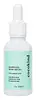
This acne serum is formulated around Salicylic Acid and Gluconolactone to clear breakouts and refine skin texture.
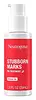
This brightening serum is formulated around Retinol and Ascorbic Acid to fade the look of dark spots and refine skin texture.

What's inside
What's inside
 Key Ingredients
Benefits
Concerns
Ingredients Side-by-side
Salicylic Acid 1.5%
Masking










Aloe Barbadensis Leaf Juice
Skin Conditioning


Propanediol
Solvent
Glycerin
Humectant
Sodium Citrate
BufferingMusa Sapientum Fruit Extract
Skin ConditioningGluconolactone
Skin Conditioning

Lysolecithin
EmulsifyingSclerotium Gum
Emulsion StabilisingMaltodextrin
Absorbent
Sodium Benzoate
Masking
Sodium Hydroxide
BufferingPullulan
Xanthan Gum
EmulsifyingLactobacillus Ferment
Skin Conditioning
Tocopherol
Antioxidant


Silica
Abrasive
Helianthus Annuus Seed Oil
Emollient

Calcium Gluconate
HumectantBeta-Glucan
Skin Conditioning
1,2-Hexanediol
Skin Conditioning
Caprylyl Glycol
Emollient
Pyrus Malus Fruit Extract
Skin Conditioning
Morinda Citrifolia Fruit Extract
Skin Conditioning
Salicylic Acid 1.5%, Aloe Barbadensis Leaf Juice, Propanediol, Glycerin, Sodium Citrate, Musa Sapientum Fruit Extract, Gluconolactone, Lysolecithin, Sclerotium Gum, Maltodextrin, Sodium Benzoate, Sodium Hydroxide, Pullulan, Xanthan Gum, Lactobacillus Ferment, Tocopherol, Silica, Helianthus Annuus Seed Oil, Calcium Gluconate, Beta-Glucan, 1,2-Hexanediol, Caprylyl Glycol, Pyrus Malus Fruit Extract, Morinda Citrifolia Fruit Extract
Water
Skin ConditioningPentaerythrityl Tetraethylhexanoate
Emollient
Dimethicone
Emollient
Glycerin
Humectant
PPG-15 Stearyl Ether
EmollientStearyl Alcohol
Emollient
Cetearyl Alcohol
Emollient


Butylene Glycol
Humectant
Ceteareth-20
CleansingIsohexadecane
EmollientDimethicone Crosspolymer
Emulsion Stabilising
Trisiloxane
Skin Conditioning
Phenoxyethanol
Preservative
Caprylyl Glycol
Emollient
Ammonium Acryloyldimethyltaurate/Vp Copolymer
Polyacrylamide
C13-14 Isoparaffin
Emollient
Chlorphenesin
Antimicrobial
Hydrolyzed Myrtus Communis Leaf Extract
Skin ProtectingPolysorbate 20
Emulsifying
BHT
Antioxidant
Retinol
Skin Conditioning
Disodium EDTA
Sodium Hyaluronate
Humectant
Ascorbic Acid
Antioxidant
Laureth-7
EmulsifyingSodium Hydroxide
BufferingWater, Pentaerythrityl Tetraethylhexanoate, Dimethicone, Glycerin, PPG-15 Stearyl Ether, Stearyl Alcohol, Cetearyl Alcohol, Butylene Glycol, Ceteareth-20, Isohexadecane, Dimethicone Crosspolymer, Trisiloxane, Phenoxyethanol, Caprylyl Glycol, Ammonium Acryloyldimethyltaurate/Vp Copolymer, Polyacrylamide, C13-14 Isoparaffin, Chlorphenesin, Hydrolyzed Myrtus Communis Leaf Extract, Polysorbate 20, BHT, Retinol, Disodium EDTA, Sodium Hyaluronate, Ascorbic Acid, Laureth-7, Sodium Hydroxide
Reviews
Ingredients Explained
These ingredients are found in both products.
Ingredients higher up in an ingredient list are typically present in a larger amount.
Caprylyl Glycol is a humectant, skin conditioner, emollient, and preservative booster derived from either caprylic acid or synthetically created.
Typical use levels vary from 0.3-1% as a preservative booster and go up to 2% to condition skin.
Because it is not a free-fatty acid, this ingredient is fungal acne safe (there's nothing for Malassezia to feed on).
Learn more about Caprylyl GlycolGlycerin (or glycerol) is a compound naturally found in your skin. It's a powerhouse humectant that pulls water into the stratum corneum.
Topically, glycerin does several things at once:
Your skin makes glycerin on its own (mostly from sebaceous oil breakdown) and shuttles it to your outermost layer of skin, or your epidermis, via aquaporin-3.
Aquaporin-3 is a transporter that is essential for normal skin hydration, elasticity, and repair. Interestingly, mice lacking in AQP3 have dry and less elastic skin that can be fully corrected with glycerin.
This ingredient is non-irritating, plays well with almost every ingredient, and works across all skin types. Typical use is anywhere between 3-10% but can go up to 79% in some leave-on products.
Just know very high concentrations (>40%) can feel tacky in low humidity.
Glycerin is the name for this ingredient in American English. British English uses Glycerol/Glycerine.
Learn more about GlycerinSodium Hydroxide is also known as lye or caustic soda. It is used to adjust the pH of products; many ingredients require a specific pH to be effective.
In small amounts, sodium hydroxide is considered safe to use. However, large amounts may cause chemical burns due to its high alkaline.
Your skin has a natural pH and acid mantle. This acid mantle helps prevent harmful bacteria from breaking through. The acid mantle also helps keep your skin hydrated.
"Alkaline" refers to a high pH level. A low pH level would be considered acidic.
Learn more about Sodium Hydroxide

