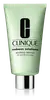
This mild cream cleanser is made to cleanse while calming and soothing your skin.

What's inside
What's inside
 Key Ingredients
Benefits
Concerns
Ingredients Side-by-side
Water
Skin ConditioningSqualane
Emollient


Glycerin
Humectant
Butylene Glycol
Humectant
Phenyl Trimethicone
Skin Conditioning
Ammonium Acryloyldimethyltaurate/Vp Copolymer
Avena Sativa Kernel Extract
Abrasive



Cucumis Sativus Fruit Extract
Emollient
Hordeum Vulgare Extract
EmollientSucrose Stearate
EmollientSea Whip Extract
Skin ConditioningCholesterol
Emollient
Helianthus Annuus Seedcake
Abrasive
Chamomilla Recutita Extract
Skin Conditioning
Acetyl Glucosamine
Skin Conditioning

Lactobacillus Ferment
Skin Conditioning
PPG-20 Methyl Glucose Ether
Skin ConditioningCaffeine
Skin Conditioning
Propylene Glycol Dicaprate
EmollientCaprylyl Glycol
Emollient
Stearic Acid
Cleansing


Sodium Chloride
MaskingDisodium EDTA
ChelatingBHT
Antioxidant
Phenoxyethanol
Preservative
Polyaminopropyl Biguanide
Preservative
CI 19140
Cosmetic ColorantCI 61570
Cosmetic ColorantCI 42090
Cosmetic ColorantWater, Squalane, Glycerin, Butylene Glycol, Phenyl Trimethicone, Ammonium Acryloyldimethyltaurate/Vp Copolymer, Avena Sativa Kernel Extract, Cucumis Sativus Fruit Extract, Hordeum Vulgare Extract, Sucrose Stearate, Sea Whip Extract, Cholesterol, Helianthus Annuus Seedcake, Chamomilla Recutita Extract, Acetyl Glucosamine, Lactobacillus Ferment, PPG-20 Methyl Glucose Ether, Caffeine, Propylene Glycol Dicaprate, Caprylyl Glycol, Stearic Acid, Sodium Chloride, Disodium EDTA, BHT, Phenoxyethanol, Polyaminopropyl Biguanide, CI 19140, CI 61570, CI 42090
Water
Skin ConditioningGluconolactone
Chelating




PEG-80 Sorbitan Laurate
Surfactant
Triethanolamine
BufferingPolyquaternium-10
Propylene Glycol
Humectant
Panthenol
Skin Conditioning
Glycine
Buffering
Sodium Laureth Sulfate
Cleansing


Sodium Laureth-13 Carboxylate
CleansingPEG-150 Distearate
Emulsifying
Cocamidopropyl Betaine
Cleansing
Disodium Cocoamphodiacetate
CleansingSodium Chloride
MaskingPhenoxyethanol
Preservative
Methylparaben
Preservative

Propylparaben
Preservative
Water, Gluconolactone, PEG-80 Sorbitan Laurate, Triethanolamine, Polyquaternium-10, Propylene Glycol, Panthenol, Glycine, Sodium Laureth Sulfate, Sodium Laureth-13 Carboxylate, PEG-150 Distearate, Cocamidopropyl Betaine, Disodium Cocoamphodiacetate, Sodium Chloride, Phenoxyethanol, Methylparaben, Propylparaben
Reviews
Ingredients Explained
These ingredients are found in both products.
Ingredients higher up in an ingredient list are typically present in a larger amount.
Phenoxyethanol is one of the most widely used preservatives in skincare (and for good reason!).
It has a large spectrum of antimicrobial activity and especially effective bacteria, yeast, and mold while only having a weak effect on your skin's natural microbiome.
On a cellular level, it disrupts the cell membranes of microbes by poking holes that make the cell leak. This shuts down the chemical reactions the microbe needs to make energy so it can no longer survive.
Another perk of this ingredient is that it stays functional across a wide pH range (3-10).
You'll often see it paired with boosters like Ethylhexylglycerin; one study showed that a 1:9 ratio of Ethylhexylglycerin to Phenoxyethanol damages bacterial membranes as effectively as doubling the Phenoxyethanol concentration on its own.
Typical use concentrations range from 0.3-1% depending on the formula, and this ingredient is capped at 1% int the EU.
Safety-wise, the fear mongering does not hold up to the evidence. The EU's Scientific Committee on Consumer Safety and FDA consider it safe as a preservative at up to 1%, including for children of all ages.
Adverse systemic effects only showed up in animal studies at exposures roughly 200x higher than what people get from cosmetics. And despite its very widespread use, this ingredient is a rare sensitizer and allergic reactions are uncommon.
Learn more about PhenoxyethanolChances are, you eat sodium chloride every day. Sodium Chloride is also known as table salt. This ingredient has many purposes in skincare: thickener, emulsifier, and exfoliator.
You'll most likely find this ingredient in cleansers where it is used to create a gel-like texture. As an emulsifier, it also prevents ingredients from separating.
You might see people debate whether Sodium Chloride is comedogenic, but there actually haven't been any comedogenic tests done on it. Either way, the overall formulation of a product matters a lot more than any single ingredient.
You might see this ingredient used in scrubs as a primary exfoliating ingredient.
Learn more about Sodium ChlorideWater. It's the most common cosmetic ingredient of all. You'll usually see it at the top of ingredient lists, meaning that it makes up the largest part of the product.
So why is it so popular? Water most often acts as a solvent - this means that it helps dissolve other ingredients into the formulation.
You'll also recognize water as that liquid we all need to stay alive. If you see this, drink a glass of water. Remember to stay hydrated!
Learn more about Water

