Clinique Dramatically Different Lipstick Shaping Lip Colour Versus KIKO Milano Smart Fusion Lipstick


What's inside
What's inside
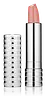 Key Ingredients
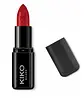
Benefits
Concerns
Ingredients Side-by-side
Ethylhexyl Palmitate
Emollient




Ozokerite
Emulsion StabilisingRicinus Communis Seed Oil
Masking


Bis-Diglyceryl Polyacyladipate-2
Emollient
Cera Alba
Emollient
Cetyl Ethylhexanoate
EmollientTriisostearyl Citrate
EmollientPolyethylene
Abrasive
Silica
Abrasive

PPG-51/Smdi Copolymer
Cera Microcristallina
Emulsion StabilisingCentella Asiatica Extract
Cleansing





Hibiscus Abelmoschus Extract
MaskingHelianthus Annuus Seed Oil
Emollient
Butyrospermum Parkii Butter
Skin Conditioning
Lecithin
Emollient
Polyglyceryl-10 Heptahydroxystearate
Skin ConditioningCaprylyl Glycol
Emollient
Dipalmitoyl Hydroxyproline
Skin Conditioning
Palmitoyl Tripeptide-1
Skin Conditioning
Tribehenin
Emollient
Squalane
Emollient
Hdi/Trimethylol Hexyllactone Crosspolymer
Tocopheryl Acetate
Antioxidant


Hydrogenated Polyisobutene
EmollientSorbitan Isostearate
Emulsifying
Water
Skin ConditioningEthylene/Propylene/Styrene Copolymer
Alumina
Abrasive
Butylene/Ethylene/Styrene Copolymer
Pentaerythrityl Tetra-Di-T-Butyl Hydroxyhydrocinnamate
Antioxidant
Synthetic Fluorphlogopite
Tin Oxide
Abrasive
Calcium Sodium Borosilicate
Calcium Aluminum Borosilicate
Mica
Cosmetic ColorantCI 77891
Cosmetic ColorantCI 15850
Cosmetic ColorantCI 19140
Cosmetic ColorantCI 42090
Cosmetic ColorantCI 77491
Cosmetic ColorantCI 77492
Cosmetic ColorantCI 77499
Cosmetic ColorantCI 17200
Cosmetic ColorantCI 45410
Cosmetic ColorantCI 45370
Cosmetic ColorantCI 45380
Cosmetic ColorantCI 77742
Cosmetic ColorantCI 73360
Cosmetic ColorantCI 75470
Cosmetic ColorantCI 15985
Cosmetic ColorantCI 77163
Cosmetic Colorant
Ethylhexyl Palmitate, Ozokerite, Ricinus Communis Seed Oil, Bis-Diglyceryl Polyacyladipate-2, Cera Alba, Cetyl Ethylhexanoate, Triisostearyl Citrate, Polyethylene, Silica, PPG-51/Smdi Copolymer, Cera Microcristallina, Centella Asiatica Extract, Hibiscus Abelmoschus Extract, Helianthus Annuus Seed Oil, Butyrospermum Parkii Butter, Lecithin, Polyglyceryl-10 Heptahydroxystearate, Caprylyl Glycol, Dipalmitoyl Hydroxyproline, Palmitoyl Tripeptide-1, Tribehenin, Squalane, Hdi/Trimethylol Hexyllactone Crosspolymer, Tocopheryl Acetate, Hydrogenated Polyisobutene, Sorbitan Isostearate, Water, Ethylene/Propylene/Styrene Copolymer, Alumina, Butylene/Ethylene/Styrene Copolymer, Pentaerythrityl Tetra-Di-T-Butyl Hydroxyhydrocinnamate, Synthetic Fluorphlogopite, Tin Oxide, Calcium Sodium Borosilicate, Calcium Aluminum Borosilicate, Mica, CI 77891, CI 15850, CI 19140, CI 42090, CI 77491, CI 77492, CI 77499, CI 17200, CI 45410, CI 45370, CI 45380, CI 77742, CI 73360, CI 75470, CI 15985, CI 77163
Polybutene
Caprylic/Capric Triglyceride
Masking
Polyethylene
Abrasive
Cera Microcristallina
Emulsion StabilisingMica
Cosmetic ColorantDicalcium Phosphate
Abrasive
Stearalkonium Hectorite
Gel FormingPropylene Carbonate
SolventArgania Spinosa Kernel Oil
Emollient
Ethyl Vanillin
MaskingHelianthus Annuus Seed Oil
Emollient
Pentaerythrityl Tetra-Di-T-Butyl Hydroxyhydrocinnamate
Antioxidant
Litchi Chinensis Fruit Extract
Skin ConditioningCalcium Aluminum Borosilicate
Tin Oxide
Abrasive
CI 77891
Cosmetic ColorantCI 77492
Cosmetic ColorantCI 77491
Cosmetic ColorantCI 77499
Cosmetic ColorantCI 15850
Cosmetic ColorantCI 42090
Cosmetic ColorantCI 15985
Cosmetic ColorantCI 45410
Cosmetic ColorantCI 19140
Cosmetic ColorantPolybutene, Caprylic/Capric Triglyceride, Polyethylene, Cera Microcristallina, Mica, Dicalcium Phosphate, Stearalkonium Hectorite, Propylene Carbonate, Argania Spinosa Kernel Oil, Ethyl Vanillin, Helianthus Annuus Seed Oil, Pentaerythrityl Tetra-Di-T-Butyl Hydroxyhydrocinnamate, Litchi Chinensis Fruit Extract, Calcium Aluminum Borosilicate, Tin Oxide, CI 77891, CI 77492, CI 77491, CI 77499, CI 15850, CI 42090, CI 15985, CI 45410, CI 19140
Reviews
Ingredients Explained
These ingredients are found in both products.
Ingredients higher up in an ingredient list are typically present in a larger amount.
Calcium Aluminum Borosilicate is made up of calcium, aluminum, and silicates. It is a glass-like material. In cosmetics, it comes in the form of flakes or microspheres.
Calcium aluminum borosilicate is a bulking agent, meaning it helps thicken a product.
This ingredient is created by slowly mixing several minerals, including kaolin clay.
Although “aluminum” in an ingredient name can raise red flags for some consumers, the form and usage context matter significantly. For typical topical applications, there is no substantial evidence of health risks - such as cancer, neurotoxicity, or systemic “aluminum overload.”
Learn more about Calcium Aluminum BorosilicateCera Microcristallina, aka microcrystalline wax, is a petroleum-derived wax that helps thicken texture and stabilize the oils in formulas.
It also has mild occlusive properties that creates a film on skin to slow down water loss.
The CIR Expert Panel has concluded this ingredient to be safe as used in cosmetics.
This ingredient is refined to a cosmetic grade with high purity. It is chemically inert, stable, and doesn't clog pores (petroleum has a comedogenic rating of 0).
Malassezia feeds on fatty acids roughly in the C11-24 range and this ingredient contains none of those. Since there's no plausible food source for it here, this ingredient is fungal acne safe.
Learn more about Cera MicrocristallinaCi 15850 is the pigment color red. It is an azo dye and created synthetically.
Azo dyes need to be thoroughly purified before use. This allows them to be more stable and longer-lasting.
This ingredient is common in foundations, lipsticks, and blushes. This color is described as brown/orangey red.
It has many secondary names such as Red 6 and Red 7. According to a manufacturer, Red 6 usually contains aluminum.
Learn more about CI 15850Ci 15985 is a dye made from petroleum. It is synthetically created and approved by the FDA for use in foods and cosmetics.
The color of this dye is orange/yellow.
This ingredient can be found in makeup, sun care, and skincare.
Learn more about CI 15985CI 19140 is also known as Tartrazine. Tartrazine is a synthetic dye used in cosmetics, foods, and medicine to add a yellow color.
Tartrazine is created from petroleum and is water-soluble.
Some people may experience allergies from this dye, especially asthmatics and those with an aspirin intolerance.
Learn more about CI 19140Ci 42090 is a synthetic dye created from petroleum. It is used to give a bright blue color to cosmetics, medicine, and food.
CI 45410 is a synthetic red-pigment and dye.
It often goes by both Red 28 or Red 27; manufacturers label both ingredients as CI 45410.
This dye is commonly found in makeup because it imparts a vivid color. Some types of this dye change color based on pH level and interaction with moisture:
Your skin has a natural pH of around 4.5 - 5.5.
According to the FDA, CI 45410 is not permitted for use in eye products.
Red 27 is a flourescein dye and commonly used as a fluorescent tracer in medicine.
Learn more about CI 45410Ci 77491 is also hydrated iron III oxide. It's sole purpose is to give a red/pink hue to products.
Iron III oxides are classified as inorganic chemicals for coloring.
Synthetically created Ci 77491 is considered safer than those naturally found. This is because the synthetically created version may contain less impurities. Iron oxides are generally non-toxic and non-allergenic.
Learn more about CI 77491CI 77492 is also hydrated iron III oxide. It's sole purpose is to give a yellow hue to products.
Iron III oxides are classified as inorganic chemicals for coloring.
Synthetically created CI 77492 is considered safer than those naturally found. This is because the synthetically created version may contain less impurities. Iron oxides are generally non-toxic and non-allergenic.
Learn more about CI 77492Ci 77499 is also hydrated iron III oxide. It is created from mixing red and black iron oxides. This helps give shades of darkness to a product.
Iron III oxides are classified as inorganic chemicals for coloring.
Ci 77891 is a white pigment from Titanium dioxide. It is naturally found in minerals such as rutile and ilmenite.
It's main function is to add a white color to cosmetics. It can also be mixed with other colors to create different shades.
Ci 77891 is commonly found in sunscreens due to its ability to block UV rays.
Learn more about CI 77891Helianthus Annuus Seed Oil is a plant oil derived from the seeds of a sunflower.
It is rich in fatty acids, primarily linoleic acid and oleic acid. This gives it emollient and skin conditioning properties.
The reason this ingredient is so effective is because it forms a thin film on the skin that reduces transepidermal water loss (TEWL) while supplying linoleic acid to the stratum corneum to improve barrier strength.
The high linoleic acid content is particularly noteworthy for acne-prone skin.
Research suggests that acne-prone skin tends to be deficient in linoleic acid in sebum. Topical application may help replenish this to support a healthier follicular environment and less comedone-promoting sebum.
One randomized study found sunflower seed oil preserved skin barrier integrity in adult volunteers with and without atopic dermatitis (outperforming olive oil).
This ingredient is well-studied, gentle, and an effective emollient suitable for most skin types.
On fungal acne: This ingredient may not be Fungal acne (Malassezia folliculitis) safe. This is because it contains fatty acids with carbon chain lengths in the C11-C24 range.
Learn more about Helianthus Annuus Seed OilMica is a naturally occurring mineral used to add shimmer and color in cosmetics. It can also help improve the texture of a product or give it an opaque, white/silver color.
Serecite is the name for very fine but ragged grains of mica.
This ingredient is often coated with metal oxides like titanium dioxide. Trace amounts of heavy metals may be found in mica, but these metals are not harmful in our personal products.
Mica has been used since prehistoric times throughout the world. Ancient Egyptian, Indian, Greek, Roman, Aztec, and Chinese civilizations have used mica.
Learn more about MicaPentaerythrityl Tetra-Di-T-Butyl Hydroxyhydrocinnamate (long name, huh?) is a synthetic antioxidant.
It is used to help stabilize other antioxidants or prevent the color from changing in a product.
As an antioxidant, it helps fight free-radical molecules. Free-radical molecules are capable of damaging our cells and other genetic material. Thus, antioxidants may reduce the signs of aging.
This ingredient is oil-soluble.
Learn more about Pentaerythrityl Tetra-Di-T-Butyl HydroxyhydrocinnamatePolyethylene is a synthetic ingredient that helps the skin retain moisture. It is a polymer.
It is also typically used within product formulations to help bind solid ingredients together and thicken oil-based ingredients. When added to balms and emulsions, it helps increase the melting point temperature.
Tin Oxide is an inorganic oxide used to add opacity and volume to a product. In nature, it is already found in mineral form. The main ore of tin is an opaque and shiny mineral called casseterite.
Tin Oxide helps remove translucency in a product, or make it more opaque. Besides adding opacity, tin oxide is used for bulking to add volume.


