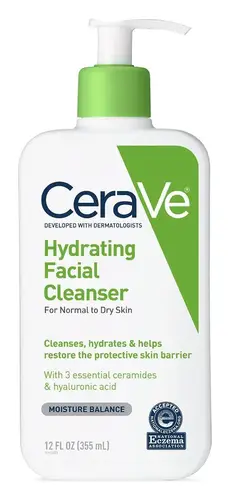
This gel makeup remover is made to dissolve makeup, sunscreen, and daily buildup.
This lactic acid gel cleanser is formulated around Lactic Acid to exfoliate and smooth skin.

What's inside
What's inside
 Key Ingredients
No key ingredients
Benefits
Concerns
Ingredients Side-by-side
Water
Skin ConditioningSodium Lauryl Sulfoacetate
CleansingSodium Chloride
MaskingSodium Methyl 2-Sulfolaurate
CleansingPanthenol
Skin Conditioning




Hydroxypropyl Methylcellulose
Emulsion StabilisingAllantoin
Skin Conditioning
Disodium 2-Sulfolaurate
CleansingLaminaria Japonica Extract
Skin Protecting
Malva Sylvestris Leaf Extract
Skin ConditioningPlukenetia Volubilis Seed Extract
Skin ConditioningButylene Glycol
Humectant
Chlorphenesin
Antimicrobial
Benzoic Acid
Masking
Sorbic Acid
Preservative
Caprylyl Glycol
Emollient
Phenoxyethanol
Preservative
Hexylene Glycol
EmulsifyingParfum
Masking



Water, Sodium Lauryl Sulfoacetate, Sodium Chloride, Sodium Methyl 2-Sulfolaurate, Panthenol, Hydroxypropyl Methylcellulose, Allantoin, Disodium 2-Sulfolaurate, Laminaria Japonica Extract, Malva Sylvestris Leaf Extract, Plukenetia Volubilis Seed Extract, Butylene Glycol, Chlorphenesin, Benzoic Acid, Sorbic Acid, Caprylyl Glycol, Phenoxyethanol, Hexylene Glycol, Parfum
Water
Skin ConditioningCoco-Betaine
Cleansing
Sodium Cocoyl Isethionate
Cleansing
Lauramidopropyl Betaine
CleansingPropanediol
Solvent
Phenethyl Alcohol
MaskingPolysorbate 20
Emulsifying
Caprylyl Glycol
Emollient
Lactic Acid
Buffering






Caprylic/Capric Triglyceride
Masking
Arginine/Lysine Polypeptide
Skin Conditioning
Leuconostoc/Radish Root Ferment Filtrate
Antimicrobial
Cucumis Sativus Fruit Extract
Emollient
Ethylhexylglycerin
Skin ConditioningMenthyl Ethylamido Oxalate
Skin ConditioningCitrus Aurantium Dulcis Peel Extract
Emulsion Stabilising
Citrus Limon Peel Extract
EmollientLimonene
Perfuming
Allantoin
Skin Conditioning
Calendula Officinalis Flower Extract
Masking
Camellia Oleifera Leaf Extract
AstringentChamomilla Recutita Flower Extract
Masking
Geranium Maculatum Extract
TonicHamamelis Virginiana Leaf Extract
Skin Conditioning
Magnesium Ascorbyl Phosphate
Antioxidant

Pseudoalteromonas Exopolysaccharides
Skin ConditioningPyrus Malus Fruit Extract
Skin Conditioning
Sodium Cocoyl Hydrolyzed Amaranth Protein
Skin Conditioning
Citric Acid
Buffering
Sebacic Acid
BufferingSodium Salicylate
Preservative
Sorbic Acid
Preservative
Water, Coco-Betaine, Sodium Cocoyl Isethionate, Lauramidopropyl Betaine, Propanediol, Phenethyl Alcohol, Polysorbate 20, Caprylyl Glycol, Lactic Acid, Caprylic/Capric Triglyceride, Arginine/Lysine Polypeptide, Leuconostoc/Radish Root Ferment Filtrate, Cucumis Sativus Fruit Extract, Ethylhexylglycerin, Menthyl Ethylamido Oxalate, Citrus Aurantium Dulcis Peel Extract, Citrus Limon Peel Extract, Limonene, Allantoin, Calendula Officinalis Flower Extract, Camellia Oleifera Leaf Extract, Chamomilla Recutita Flower Extract, Geranium Maculatum Extract, Hamamelis Virginiana Leaf Extract, Magnesium Ascorbyl Phosphate, Pseudoalteromonas Exopolysaccharides, Pyrus Malus Fruit Extract, Sodium Cocoyl Hydrolyzed Amaranth Protein, Citric Acid, Sebacic Acid, Sodium Salicylate, Sorbic Acid
Alternatives
Ingredients Explained
These ingredients are found in both products.
Ingredients higher up in an ingredient list are typically present in a larger amount.
Allantoin is a soothing ingredient known for its protective and moisturizing properties; it's basically a quiet workhorse ingredient you can find in a huge range of cosmetics.
Though it can be derived from the comfrey plant, allantoin is produced synthetically for cosmetic products to ensure purity.
Research shows it can encourage your skin cells to turn over and renew by stimulating keratinocyte and fibroblast proliferation.
It also has mild keratolytic properties to help loosen and shed dead skin cells without being harsh.
Studies also suggest allantoin can help calm inflammation by dialing down some of the chemical signals your skin sends out when it is irritated.
This ingredient is typically used in the 0.1-0.5% range, and the FDA recognizes it as a skin protectant in OTC products up to 2%.
Overall, allantoin is a wonderful addition to most routines; it is stable across a wide pH range (~4-8), works well with other ingredients, and is considered non-sensitizing/non-irritating.
Fun fact: Allantoin is naturally occurring in comfrey root, beets, chamomile, and wheat sprouts. Our bodies even produce it as a byproduct of uric acid metabolism.
Learn more about AllantoinCaprylyl Glycol is a humectant, skin conditioner, emollient, and preservative booster derived from either caprylic acid or synthetically created.
Typical use levels vary from 0.3-1% as a preservative booster and go up to 2% to condition skin.
Because it is not a free-fatty acid, this ingredient is fungal acne safe (there's nothing for Malassezia to feed on).
Learn more about Caprylyl GlycolSorbic Acid is a preservative that stops your product from spoiling by stopping microbes from growing.
As a preservative, it's kind of a specialist: it has a broad spectrum of activity against yeast and molds but is weaker against bacteria. That's why it's often paired with another preservative to cover that gap.
This ingredient is also pretty picky about pH; it performs best at pH 6.5 or below.
At the right pH level, sorbic acid is "active" and can slip through the outer wall of a microbe. Once inside, it turns the cell's interior more acidic to shut down the microbe from the inside.
The EU caps this ingredient at 0.6% while the CIR has concluded it's safe at concentrations up to 1%. It's most often used around 0.05-0.2% in cosmetics.
Though this ingredient is considered low-sensitizing and well-tolerated, a very small number of people may have a contact allergy to it. Be sure to patch test if you have a history of allergies towards preservatives.
Learn more about Sorbic AcidWater. It's the most common cosmetic ingredient of all. You'll usually see it at the top of ingredient lists, meaning that it makes up the largest part of the product.
So why is it so popular? Water most often acts as a solvent - this means that it helps dissolve other ingredients into the formulation.
You'll also recognize water as that liquid we all need to stay alive. If you see this, drink a glass of water. Remember to stay hydrated!
Learn more about Water