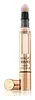
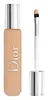
Charlotte Tilbury Magic Away Liquid Concealer Versus Dior Backstage Face & Body Flash Perfector Concealer


What's inside
What's inside
 Key Ingredients
Benefits
Concerns
No concerns
Ingredients Side-by-side
Water
Skin ConditioningHydrogenated Polyisobutene
EmollientHydrogenated Didecene
Skin ConditioningGlycerin
Humectant


Trimethylsiloxysilicate
Emollient
Cetyl PEG/PPG-10/1 Dimethicone
Emulsifying
Palmitoyl Glycine
CleansingAlbizia Julibrissin Bark Extract
MaskingMethicone
Emollient
Sodium Chloride
MaskingPolymethylsilsesquioxane
Disteardimonium Hectorite
StabilisingHydroxyacetophenone
Antioxidant


Lauryl PEG-8 Dimethicone
Surfactant
Hydrogenated Styrene/Isoprene Copolymer
Hdi/Trimethylol Hexyllactone Crosspolymer
Propanediol
Solvent
1,2-Hexanediol
Skin Conditioning
Caprylyl Glycol
Emollient
Tocopheryl Acetate
Antioxidant

Trisodium Ethylenediamine Disuccinate
Tephrosia Purpurea Seed Extract
Skin ConditioningLauroyl Lysine
Skin Conditioning
Talc
Abrasive
Darutoside
Skin ConditioningPentaerythrityl Tetra-Di-T-Butyl Hydroxyhydrocinnamate
Antioxidant
CI 77891
Cosmetic ColorantIron Oxides
Water, Hydrogenated Polyisobutene, Hydrogenated Didecene, Glycerin, Trimethylsiloxysilicate, Cetyl PEG/PPG-10/1 Dimethicone, Palmitoyl Glycine, Albizia Julibrissin Bark Extract, Methicone, Sodium Chloride, Polymethylsilsesquioxane, Disteardimonium Hectorite, Hydroxyacetophenone, Lauryl PEG-8 Dimethicone, Hydrogenated Styrene/Isoprene Copolymer, Hdi/Trimethylol Hexyllactone Crosspolymer, Propanediol, 1,2-Hexanediol, Caprylyl Glycol, Tocopheryl Acetate, Trisodium Ethylenediamine Disuccinate, Tephrosia Purpurea Seed Extract, Lauroyl Lysine, Talc, Darutoside, Pentaerythrityl Tetra-Di-T-Butyl Hydroxyhydrocinnamate, CI 77891, Iron Oxides
Water
Skin ConditioningPhenyl Trimethicone
Skin Conditioning
Isododecane
EmollientDimethicone
Emollient
Methyl Trimethicone
Skin Conditioning
Glycerin
Humectant
Mica
Cosmetic ColorantAcrylates/Dimethicone Copolymer
Skin Conditioning
Cetyl PEG/PPG-10/1 Dimethicone
Emulsifying
PEG-9 Polydimethylsiloxyethyl Dimethicone
Emulsifying
Butylene Glycol
Humectant
Trimethylsiloxysilicate
Emollient
Trimethyl Pentaphenyl Trisiloxane
Emollient
Sodium Myristoyl Glutamate
CleansingDisteardimonium Hectorite
StabilisingPolysilicone-11
Synthetic Fluorphlogopite
Caprylyl Glycol
Emollient
Butyrospermum Parkii Butter
Skin Conditioning


Glyceryl Undecyl Dimethicone
Propylene Carbonate
SolventLecithin
Emollient
Sodium Benzoate
Masking
Aluminum Hydroxide
EmollientHexadecene
SolventCaffeine
Skin Conditioning
Hydroxyacetophenone
Antioxidant
Parfum
Masking



Ascorbyl Glucoside
Antioxidant
Tocopherol
Antioxidant
Tin Oxide
Abrasive
Citric Acid
Buffering
Pentaerythrityl Tetra-Di-T-Butyl Hydroxyhydrocinnamate
Antioxidant
CI 77891
Cosmetic ColorantCI 77491
Cosmetic ColorantCI 77492
Cosmetic ColorantCI 77499
Cosmetic ColorantWater, Phenyl Trimethicone, Isododecane, Dimethicone, Methyl Trimethicone, Glycerin, Mica, Acrylates/Dimethicone Copolymer, Cetyl PEG/PPG-10/1 Dimethicone, PEG-9 Polydimethylsiloxyethyl Dimethicone, Butylene Glycol, Trimethylsiloxysilicate, Trimethyl Pentaphenyl Trisiloxane, Sodium Myristoyl Glutamate, Disteardimonium Hectorite, Polysilicone-11, Synthetic Fluorphlogopite, Caprylyl Glycol, Butyrospermum Parkii Butter, Glyceryl Undecyl Dimethicone, Propylene Carbonate, Lecithin, Sodium Benzoate, Aluminum Hydroxide, Hexadecene, Caffeine, Hydroxyacetophenone, Parfum, Ascorbyl Glucoside, Tocopherol, Tin Oxide, Citric Acid, Pentaerythrityl Tetra-Di-T-Butyl Hydroxyhydrocinnamate, CI 77891, CI 77491, CI 77492, CI 77499
Reviews
Ingredients Explained
These ingredients are found in both products.
Ingredients higher up in an ingredient list are typically present in a larger amount.
Caprylyl Glycol is a humectant, skin conditioner, emollient, and preservative booster derived from either caprylic acid or synthetically created.
Typical use levels vary from 0.3-1% as a preservative booster and go up to 2% to condition skin.
Because it is not a free-fatty acid or alcohol, this ingredient is fungal acne safe (there's nothing for Malassezia to feed on).
Learn more about Caprylyl GlycolThis ingredient is a silicone-based emulsifer that helps the water and oil phases play nicely together.
It's pretty effective because one end of the molecule loves oil and the other one loves water.
Besides holding formulas together, it also leaves a silky and lightweight feel on skin without the greasiness. A manufacturer also claims it can help with the controlled release of active ingredients.
The CIR Expert Panel found this ingredient to not be sensitizing in concentrations up to 15% in human maximazation testing and dimethicone-based compounds were not comedogenic.
It has a high molecular weight well above 1,000 g/mol which means it limits meaningful skin penetration.
A 2019 study specifically tested this ingredient and found no observable Malassezia growth in its presence.
Learn more about Cetyl PEG/PPG-10/1 DimethiconeCi 77891 is a white pigment from Titanium dioxide. It is naturally found in minerals such as rutile and ilmenite.
It's main function is to add a white color to cosmetics. It can also be mixed with other colors to create different shades.
Ci 77891 is commonly found in sunscreens due to its ability to block UV rays.
Learn more about CI 77891Disteardimonium Hectorite comes from the clay mineral named hectorite. It is used to add thickness to a product.
It can also help stabilize a product by helping to disperse other ingredients.
Hectorite is a rare, white clay mineral.
Learn more about Disteardimonium HectoriteGlycerin (or glycerol) is a compound naturally found in your skin. It's a powerhouse humectant that pulls water into the stratum corneum.
Topically, glycerin does several things at once:
Your skin makes glycerin on its own (mostly from sebaceous oil breakdown) and shuttles it to your outermost layer of skin, or your epidermis, via aquaporin-3.
Aquaporin-3 is a transporter that is essential for normal skin hydration, elasticity, and repair. Interestingly, mice lacking in AQP3 have dry and less elastic skin that can be fully corrected with glycerin.
This ingredient is non-irritating, plays well with almost every ingredient, and works across all skin types. Typical use is anywhere between 3-10% but can go up to 79% in some leave-on products.
Just know very high concentrations (>40%) can feel tacky in low humidity.
Glycerin is the name for this ingredient in American English. British English uses Glycerol/Glycerine.
Learn more about GlycerinHydroxyacetophenone is antioxidant with skin conditioning and soothing properties. It also boosts the efficiency of preservatives.
Though naturally occuring in Norwegian spruce needles, this ingredient is usually synthetically created.
This ingredient is not irritating or sensitizing. Recent research also suggests it may have skin-brightening effects through tyrosinase inhibition.
Learn more about HydroxyacetophenonePentaerythrityl Tetra-Di-T-Butyl Hydroxyhydrocinnamate (long name, huh?) is a synthetic antioxidant.
It is used to help stabilize other antioxidants or prevent the color from changing in a product.
As an antioxidant, it helps fight free-radical molecules. Free-radical molecules are capable of damaging our cells and other genetic material. Thus, antioxidants may reduce the signs of aging.
This ingredient is oil-soluble.
Learn more about Pentaerythrityl Tetra-Di-T-Butyl HydroxyhydrocinnamateThis silicone is an emollient. Emollients create a thin film on the skin to prevent moisture from escaping.
It is not soluble in water and helps increase water-resistance in products.
According to a manufacturer, it can blend seamlessly with silicone oils, such as Cyclopentasiloxane.
Learn more about TrimethylsiloxysilicateWater. It's the most common cosmetic ingredient of all. You'll usually see it at the top of ingredient lists, meaning that it makes up the largest part of the product.
So why is it so popular? Water most often acts as a solvent - this means that it helps dissolve other ingredients into the formulation.
You'll also recognize water as that liquid we all need to stay alive. If you see this, drink a glass of water. Remember to stay hydrated!
Learn more about Water
