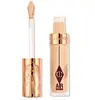
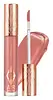
Charlotte Tilbury Airbrush Flawless Blur Concealer Versus Charlotte Tilbury Airbrush Flawless Lip Blur

What's inside
What's inside
 Key Ingredients
Benefits
Concerns
Ingredients Side-by-side
Water
Skin ConditioningDimethicone
Emollient

Caprylyl Methicone
Skin Conditioning
Lauryl Polyglyceryl-3 Polydimethylsiloxyethyl Dimethicone
Skin Conditioning
Squalane
Emollient


Propanediol
Solvent
Polyglyceryl-3 Polydimethylsiloxyethyl Dimethicone
Skin Conditioning
Mica
Cosmetic ColorantDisteardimonium Hectorite
StabilisingDimethicone/Vinyl Dimethicone Crosspolymer
Skin Conditioning
Aluminum Starch Octenylsuccinate
Absorbent
CI 77120
Cosmetic ColorantSodium Chloride
MaskingTrimethylsiloxysilicate
Emollient
Aluminum Hydroxide
EmollientLevulinic Acid
Perfuming

Sodium Dehydroacetate
Preservative
Glycogen
HumectantSodium Levulinate
Skin ConditioningPolyhydroxystearic Acid
Emulsifying

Sodium Lauroyl Glutamate
SurfactantGlycerin
Humectant
Sodium Hyaluronate
Humectant

Lysine
Skin ConditioningHydrogen Dimethicone
Magnesium Chloride
Tocopherol
Antioxidant



CI 77891
Cosmetic ColorantCI 77491
Cosmetic ColorantCI 77492
Cosmetic ColorantCI 77499
Cosmetic ColorantWater, Dimethicone, Caprylyl Methicone, Lauryl Polyglyceryl-3 Polydimethylsiloxyethyl Dimethicone, Squalane, Propanediol, Polyglyceryl-3 Polydimethylsiloxyethyl Dimethicone, Mica, Disteardimonium Hectorite, Dimethicone/Vinyl Dimethicone Crosspolymer, Aluminum Starch Octenylsuccinate, CI 77120, Sodium Chloride, Trimethylsiloxysilicate, Aluminum Hydroxide, Levulinic Acid, Sodium Dehydroacetate, Glycogen, Sodium Levulinate, Polyhydroxystearic Acid, Sodium Lauroyl Glutamate, Glycerin, Sodium Hyaluronate, Lysine, Hydrogen Dimethicone, Magnesium Chloride, Tocopherol, CI 77891, CI 77491, CI 77492, CI 77499
Dimethicone
Emollient
Polyglyceryl-2 Triisostearate
Emulsifying
Dimethicone Crosspolymer
Emulsion Stabilising
Trimethylsiloxysilicate
Emollient
Ethylhexyl Palmitate
Emollient


Aroma
Tocopherol
Antioxidant
Isopropyl Titanium Triisostearate
Emollient
Helianthus Annuus Seed Oil
Emollient
Silica Dimethyl Silylate
EmollientButylene Glycol
Humectant
Caprylyl Glycol
Emollient
Phenoxyethanol
Preservative
Sodium Hyaluronate
Humectant
Hexylene Glycol
EmulsifyingBenzyl Benzoate
Antimicrobial

CI 77891
Cosmetic ColorantIron Oxides
CI 15850
Cosmetic ColorantDimethicone, Polyglyceryl-2 Triisostearate, Dimethicone Crosspolymer, Trimethylsiloxysilicate, Ethylhexyl Palmitate, Aroma, Tocopherol, Isopropyl Titanium Triisostearate, Helianthus Annuus Seed Oil, Silica Dimethyl Silylate, Butylene Glycol, Caprylyl Glycol, Phenoxyethanol, Sodium Hyaluronate, Hexylene Glycol, Benzyl Benzoate, CI 77891, Iron Oxides, CI 15850
Reviews
Ingredients Explained
These ingredients are found in both products.
Ingredients higher up in an ingredient list are typically present in a larger amount.
Ci 77891 is a white pigment from Titanium dioxide. It is naturally found in minerals such as rutile and ilmenite.
It's main function is to add a white color to cosmetics. It can also be mixed with other colors to create different shades.
Ci 77891 is commonly found in sunscreens due to its ability to block UV rays.
Learn more about CI 77891Dimethicone is a type of synthetic silicone created from natural materials such as quartz. It is also known as polydimethylsiloxane.
What it does:
Dimethicone comes in different viscosities:
Depending on the viscosity, dimethicone has different properties.
Ingredients lists don't always show which type is used, so we recommend reaching out to the brand if you have questions about the viscosity.
This ingredient is unlikely to cause irritation because it does not get absorbed into skin. However, people with silicone allergies should be careful about using this ingredient.
Note: Dimethicone may contribute to pilling. This is because it is not oil or water soluble, so pilling may occur when layered with products. When mixed with heavy oils in a formula, the outcome is also quite greasy.
Learn more about DimethiconeSodium Hyaluronate is the salt form of hyaluronic acid. It is a long sugar chain that is naturally found in your skin, joints, and connective tissue that maintains hydration and elasticity.
In skincare, it works as a humectant. It pulls water from the environment and deeper layers of skin and binds it to the surface.
Interestingly, the size of the molecule affects its behavior:
Some clinical evidence links low molecular weight versions to improved wrinkle depth, elasticity, anti-inflammatory effects, and barrier repair.
Many serums use a blend of both weights so you can get surface hydration plus longer-lasting and deeper effects.
You'll typically see concentrations between 0.1-2% for this ingredient.
Learn more about Sodium HyaluronateTocopherol is a fat-soluble antioxidant known as Vitamin E.
You'll find this ingredient in the vast majority of skincare (for good reason). It works to neutralize free radicals, or unstable molecules generated by UV exposure, pollution, and other environmental stressors, before they can cause oxidative damage to your skin cells.
Topically applied tocopherol has been shown to protect against UV damage by ramping up the skin's own natural defense enzymes.
It also acts as a skin conditioning agent; some studies show that regular topical use can improve the skin's water-binding capacity over 2-4 weeks.
This ingredient is especially loved for being a team player. When combined with Vitamin C, the photoprotective effect of both ingredients roughly doubles and the combo also helps reduce UV-induced DNA damage.
This ingredient has some brightening potential but it's more of a prevention ingredient than spot-fader. Cell studies show it can slow down melanin production but it's worth noting that it's not the most powerful brightener out there.
In formulations, it also serves as a stabilizer that helps protect other oxidation-prone ingredients from degrading.
Concentrations usually range from 0.1-1% in most leave-on products.
Learn more about TocopherolThis silicone is an emollient. Emollients create a thin film on the skin to prevent moisture from escaping.
It is not soluble in water and helps increase water-resistance in products.
According to a manufacturer, it can blend seamlessly with silicone oils, such as Cyclopentasiloxane.
Learn more about Trimethylsiloxysilicate

