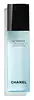
This hydrating toner is formulated around Sodium PCA to hydrate skin and strengthen the skin barrier.
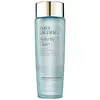
This oil-control toner is formulated around Zinc PCA and Citric Acid to balance excess oil.


What's inside
What's inside
 Key Ingredients
Benefits
Concerns
Ingredients Side-by-side
Water
Skin ConditioningPEG-32
HumectantPEG/PPG/Polybutylene Glycol-8/5/3 Glycerin
HumectantPEG-11 Methyl Ether Dimethicone
Emulsifying
Methyl Gluceth-20
Humectant
Glycerin
Humectant

1,2-Hexanediol
Skin Conditioning
Algae Extract
Emollient

Salicornia Herbacea Extract
Skin ConditioningSodium Citrate
BufferingSodium PCA
Humectant
PPG-13-Decyltetradeceth-24
EmulsifyingCitric Acid
Buffering


Potassium Sorbate
Preservative
Parfum
Masking


Maris Aqua
HumectantSodium Hyaluronate
Humectant


Phytic Acid
Chelating
Caprylic/Capric Triglyceride
Masking
Sodium Hydroxide
BufferingSodium Benzoate
Masking
Tocopherol
Antioxidant


Water, PEG-32, PEG/PPG/Polybutylene Glycol-8/5/3 Glycerin, PEG-11 Methyl Ether Dimethicone, Methyl Gluceth-20, Glycerin, 1,2-Hexanediol, Algae Extract, Salicornia Herbacea Extract, Sodium Citrate, Sodium PCA, PPG-13-Decyltetradeceth-24, Citric Acid, Potassium Sorbate, Parfum, Maris Aqua, Sodium Hyaluronate, Phytic Acid, Caprylic/Capric Triglyceride, Sodium Hydroxide, Sodium Benzoate, Tocopherol
Water
Skin ConditioningDimethicone
Emollient
Isododecane
EmollientHamamelis Virginiana Water
Astringent
Disodium Cocoamphodiacetate
CleansingSucrose
Humectant
PEG-32
HumectantGentiana Lutea Root Extract
Skin ConditioningSilybum Marianum Extract
Skin Conditioning
Algae Extract
Emollient
Zinc PCA
Humectant



Sorbitol
Humectant
Glycerin
Humectant
Caffeine
Skin Conditioning
PPG-26-Buteth-26
Skin ConditioningPEG-4 Dilaurate
Emulsifying
Caprylyl Glycol
Emollient
PEG-40 Hydrogenated Castor Oil
Emulsifying
Hexylene Glycol
Emulsifying1,2-Hexanediol
Skin Conditioning
PEG-6
HumectantCitric Acid
Buffering
Lauramidopropyl Betaine
CleansingParfum
Masking
Phenoxyethanol
Preservative
Water, Dimethicone, Isododecane, Hamamelis Virginiana Water, Disodium Cocoamphodiacetate, Sucrose, PEG-32, Gentiana Lutea Root Extract, Silybum Marianum Extract, Algae Extract, Zinc PCA, Sorbitol, Glycerin, Caffeine, PPG-26-Buteth-26, PEG-4 Dilaurate, Caprylyl Glycol, PEG-40 Hydrogenated Castor Oil, Hexylene Glycol, 1,2-Hexanediol, PEG-6, Citric Acid, Lauramidopropyl Betaine, Parfum, Phenoxyethanol
Ingredients Explained
These ingredients are found in both products.
Ingredients higher up in an ingredient list are typically present in a larger amount.
1,2-Hexanediol is a synthetic liquid and another multi-functional powerhouse.
It is a:
- Humectant, drawing moisture into the skin
- Emollient, helping to soften skin
- Solvent, dispersing and stabilizing formulas
- Preservative booster, enhancing the antimicrobial activity of other preservatives
Algae Extract is one of the vaguest names on any label because it just means "extract of some alga" (and there are thousands of species and dozens of ways to extract them). This just means two products listing it can contain completely different things.
This ingredient name was actually officially retired in the INCI dictionary in 2015 and brands were pushed toward species-specific names instead (like Laminaria Digitata Extract or Chondrus Crispus Extract).
Generally, it is used to hold water and soften skin in a formula. Algae are rich in polysaccharides, pigments, and amino-acids that act as humectants, emollients, and skin-conditioning agents.
It isn't on standard cosmetic-patch test panels and "seaweed dermatitis" is actually an acute irritant reaction to algal toxins in seawater and not the cosmetic ingredient.
You'll see algae listed as a 5/5 on a lot of pore-clogging charts and that number doesn't come from anywhere; it's not in the original rabbit-ear studies that most comedogenic ratings trace back to.
The reasoning behind the reputation is that seaweed is high in iodine and iodine can trigger acne-like breakouts when eaten. This traces back to a 1976 letter in Archives of Dermatology describing two women whose breakouts cleared after they stopped taking high-dose kelp supplements orally.
And the reaction of these two women wasn't clogged pores at all: it was an iodine-triggered pustular rash. Later research found normal dietary iodine doesn't meaningfully affect acne either and nobody has shown topical algae delivers enough iodine to matter.
What we do have is dozens of brown and red algae ingredients found to be non-irritating and non-sensitizing, and a handful of studies that found algae compounds may actually help acne.
However, plenty of people do report breaking out from algae-containing products. Skin is individual and it's worth avoiding if yours has reacted to algae before.
Learn more about Algae ExtractCitric Acid is an alpha hydroxy acid (AHA) naturally found in citrus fruits like oranges, lemons, and limes.
Like other AHAs, citric acid can exfoliate skin by breaking down the bonds that hold dead skin cells together. This helps reveal smoother and brighter skin underneath.
However, this exfoliating effect only happens at high concentrations (20%) which can be hard to find in cosmetic products.
Due to this, citric acid is usually included in small amounts as a pH adjuster. This helps keep products slightly more acidic and compatible with skin's natural pH.
In skincare formulas, citric acid can:
While it can provide some skin benefits, research shows lactic acid and glycolic acid are generally more effective and less irritating exfoliants.
Most citric acid used in skincare today is made by fermenting sugars (usually from molasses). This synthetic version is identical to the natural citrus form but easier to stabilize and use in formulations.
Rosacea skin has a lower threshold for acids generally, with 62.5% of rosacea subjects in one study reacting to lactic acid in a sting test. This is why we mark citric acid as a potential rosacea trigger.
However, this ingredient shows up as a pH adjuster or chelator at roughly 0.1-1% in many products. These low levels are unlikely to be an issue for rosacea skin and becomes a potential trigger at exfoliating concentrations (20%). Because everybody's skin is unique, we recommend a patch test if you are unsure.
Learn more about Citric AcidGlycerin (or glycerol) is a compound naturally found in your skin. It's a powerhouse humectant that pulls water into the stratum corneum.
Topically, glycerin does several things at once:
Your skin makes glycerin on its own (mostly from sebaceous oil breakdown) and shuttles it to your outermost layer of skin, or your epidermis, via aquaporin-3.
Aquaporin-3 is a transporter that is essential for normal skin hydration, elasticity, and repair. Interestingly, mice lacking in AQP3 have dry and less elastic skin that can be fully corrected with glycerin.
This ingredient is non-irritating, plays well with almost every ingredient, and works across all skin types. Typical use is anywhere between 3-10% but can go up to 79% in some leave-on products.
Just know very high concentrations (>40%) can feel tacky in low humidity.
Glycerin is the name for this ingredient in American English. British English uses Glycerol/Glycerine.
Learn more about GlycerinParfum is a catch-all term for an ingredient or more that is used to give a scent to products.
Also called "fragrance", this ingredient can be a blend of hundreds of chemicals or plant oils. This means every product with "fragrance" or "parfum" in the ingredients list is a different mixture.
For instance, Habanolide is a proprietary trade name for a specific aroma chemical. When used as a fragrance ingredient in cosmetics, most aroma chemicals fall under the broad labeling category of “FRAGRANCE” or “PARFUM” according to EU and US regulations.
The term 'parfum' or 'fragrance' is not regulated in many countries. In many cases, it is up to the brand to define this term.
For instance, many brands choose to label themselves as "fragrance-free" because they are not using synthetic fragrances. However, their products may still contain ingredients such as essential oils that are considered a fragrance by INCI standards.
One example is Calendula flower extract. Calendula is an essential oil that still imparts a scent or 'fragrance'.
Depending on the blend, the ingredients in the mixture can cause allergies and sensitivities on the skin. Some ingredients that are known EU allergens include linalool and citronellol.
Parfum can also be used to mask or cover an unpleasant scent.
The bottom line is: not all fragrances/parfum/ingredients are created equally. If you are worried about fragrances, we recommend taking a closer look at an ingredient. And of course, we always recommend speaking with a professional.
Learn more about ParfumPEG-32 is a synthetic and water-soluble polymer with 32 repeating units. It has humectant, solvent, and emulsifying properties.
As a solvent and emulsifier, it helps dissolve and blend ingredients. It is also able to attract water as a humectant to help hydrate skin. According to a manufacturer, this ingredient is non-greasy, gentle, and mildly scented.
Japanese manufacturers will sometimes call this ingredient PEG 1540.
Learn more about PEG-32Water. It's the most common cosmetic ingredient of all. You'll usually see it at the top of ingredient lists, meaning that it makes up the largest part of the product.
So why is it so popular? Water most often acts as a solvent - this means that it helps dissolve other ingredients into the formulation.
You'll also recognize water as that liquid we all need to stay alive. If you see this, drink a glass of water. Remember to stay hydrated!
Learn more about Water

