

What's inside
What's inside
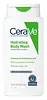 Key Ingredients
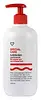
Benefits
Concerns
Ingredients Side-by-side
Water
Skin ConditioningCocamidopropyl Betaine
Cleansing



Petrolatum
Emollient


Lauric Acid
Cleansing

Sodium Cocoyl Glycinate
Cleansing
Glycerin
Humectant

Glycine Soja Oil
Emollient

Urea
Buffering

Stearic Acid
Cleansing
Sodium Cocoyl Isethionate
Cleansing
Sodium Hydroxypropyl Starch Phosphate
Abrasive
Sodium Lauroamphoacetate
CleansingSodium Methyl Cocoyl Taurate
Cleansing
Sodium Chloride
MaskingCeramide NP
Skin Conditioning


Ceramide AP
Skin Conditioning
Ceramide EOP
Skin Conditioning
Hyaluronic Acid
Humectant
Phenoxyethanol
Preservative
Guar Hydroxypropyltrimonium Chloride
Skin ConditioningSodium Hydroxide
BufferingSodium PCA
Humectant
Ophiopogon Japonicus Root Extract
Skin ConditioningTetrasodium EDTA
ChelatingEthylhexylglycerin
Skin ConditioningSodium Lauroyl Lactylate
EmulsifyingPhytosphingosine
Skin Conditioning
Cholesterol
Emollient
Carbomer
Emulsion StabilisingXanthan Gum
EmulsifyingWater, Cocamidopropyl Betaine, Petrolatum, Lauric Acid, Sodium Cocoyl Glycinate, Glycerin, Glycine Soja Oil, Urea, Stearic Acid, Sodium Cocoyl Isethionate, Sodium Hydroxypropyl Starch Phosphate, Sodium Lauroamphoacetate, Sodium Methyl Cocoyl Taurate, Sodium Chloride, Ceramide NP, Ceramide AP, Ceramide EOP, Hyaluronic Acid, Phenoxyethanol, Guar Hydroxypropyltrimonium Chloride, Sodium Hydroxide, Sodium PCA, Ophiopogon Japonicus Root Extract, Tetrasodium EDTA, Ethylhexylglycerin, Sodium Lauroyl Lactylate, Phytosphingosine, Cholesterol, Carbomer, Xanthan Gum



Ingredients Explained
These ingredients are found in both products.
Ingredients higher up in an ingredient list are typically present in a larger amount.
Sodium Hydroxide is also known as lye or caustic soda. It is used to adjust the pH of products; many ingredients require a specific pH to be effective.
In small amounts, sodium hydroxide is considered safe to use. However, large amounts may cause chemical burns due to its high alkaline.
Your skin has a natural pH and acid mantle. This acid mantle helps prevent harmful bacteria from breaking through. The acid mantle also helps keep your skin hydrated.
"Alkaline" refers to a high pH level. A low pH level would be considered acidic.
Learn more about Sodium HydroxideUrea is also called carbamide and is the diamide of carbonic acid. In cosmetics, urea is used to hydrate the skin. It also provides exfoliation in higher concentrations.
As a humectant, urea helps draw moisture from the air and from deep within the skin. This helps hydrate your skin. Studies show urea is an effective moisturizer for dry skin conditions. 40% urea is typical in medications for treating eczema and other skin conditions.
Urea has the strongest exfoliation effect in concentrations higher than 10%. It is a keratolytic agent, meaning it breaks down the keratin protein in the top layer of skin. This helps remove dead skin cells and flaking skin.
In medicine, urea has been shown to help increase the potency of other ingredients, such as fungal treatments.
Humans and animals use urea to metabolize nitrogen-containing compounds. Urea is highly soluble in water. Once dissolved, it is neither acidic nor alkaline.
Urea is actually one of the more well-studied and well-supported ingredients out there if you have eczema.
Clinical trials have shown that urea creams in the 5 - 10% range can:
Higher concentrations (20 -30%) can also help with thickened, scaly patches but is also more likely to sting on active flares.
Skip urea if you have rosacea. The AAD (American Academy of Dermatology) lists it alongside alcohol, menthol, and fragrance as a potential irritant for rosacea-prone skin. Urea's keratolytic and penetration-enhancing properties can trigger stinging, burning, and redness.
As always, your skin is unique, so definitely check in with your dermatologist.
Learn more about UreaWater. It's the most common cosmetic ingredient of all. You'll usually see it at the top of ingredient lists, meaning that it makes up the largest part of the product.
So why is it so popular? Water most often acts as a solvent - this means that it helps dissolve other ingredients into the formulation.
You'll also recognize water as that liquid we all need to stay alive. If you see this, drink a glass of water. Remember to stay hydrated!
Learn more about Water

