Cathy Doll L-Glutathione Magic Cream Whitening Sunscreen SPF 50 Versus Camou Super Lightweight Sunscreen Serum SPF 50 PA++++
This mineral sunscreen covers the full UV range and blocks ~98% of UVB at SPF 50.
This chemical sunscreen covers burning UVB and near UVA but not the deep UVA that drives aging.


What's inside
What's inside
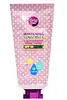 Key Ingredients
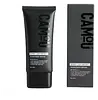
Benefits
Concerns
Ingredients Side-by-side
Water
Skin ConditioningCyclomethicone
Emollient
Glycerin
Humectant


Propylene Glycol
Humectant

Titanium Dioxide
Cosmetic Colorant

Paraffinum Liquidum
Emollient


Dimethiconol
Emollient
Cetyl PEG/PPG-10/1 Dimethicone
Emulsifying
Sodium Chloride
MaskingMenthol
Masking

Isopropyl Myristate
Emollient

Allantoin
Skin Conditioning

Diazolidinyl Urea
Preservative
Xanthan Gum
EmulsifyingParfum
Masking

Tocopheryl Acetate
Antioxidant


Water
Skin ConditioningGlycerin
Humectant
Octocrylene
UV Absorber
Cetyl Ethylhexanoate
EmollientEthylhexyl Methoxycinnamate
UV Absorber
Butylene Glycol
Humectant
Cetearyl Alcohol
Emollient

Dimethicone
Emollient
CI 77891
Cosmetic ColorantC14-22 Alcohols
Emulsion Stabilising
Sodium Acrylate/Sodium Acryloyldimethyl Taurate Copolymer
Emulsion StabilisingPotassium Cetyl Phosphate
EmulsifyingCeteareth-2
EmulsifyingCeteareth-21
EmollientPhenoxyethanol
Preservative
Isohexadecane
EmollientC12-20 Alkyl Glucoside
Emulsifying3-O-Ethyl Ascorbic Acid
Skin Conditioning


Silica
Abrasive

Polysorbate 80
Emulsifying
Niacinamide
Smoothing



Triethoxycaprylylsilane
Alumina
Abrasive
Xanthan Gum
EmulsifyingSorbitan Oleate
Emulsifying
Disodium EDTA
CI 19140
Cosmetic ColorantCentella Asiatica Extract
Cleansing
Theobroma Cacao Seed Extract
Antioxidant
Water, Glycerin, Octocrylene, Cetyl Ethylhexanoate, Ethylhexyl Methoxycinnamate, Butylene Glycol, Cetearyl Alcohol, Dimethicone, CI 77891, C14-22 Alcohols, Sodium Acrylate/Sodium Acryloyldimethyl Taurate Copolymer, Potassium Cetyl Phosphate, Ceteareth-2, Ceteareth-21, Phenoxyethanol, Isohexadecane, C12-20 Alkyl Glucoside, 3-O-Ethyl Ascorbic Acid, Silica, Polysorbate 80, Niacinamide, Triethoxycaprylylsilane, Alumina, Xanthan Gum, Sorbitan Oleate, Disodium EDTA, CI 19140, Centella Asiatica Extract, Theobroma Cacao Seed Extract
Reviews
Ingredients Explained
These ingredients are found in both products.
Ingredients higher up in an ingredient list are typically present in a larger amount.
Glycerin (or glycerol) is a compound naturally found in your skin. It's a powerhouse humectant that pulls water into the stratum corneum.
Topically, glycerin does several things at once:
Your skin makes glycerin on its own (mostly from sebaceous oil breakdown) and shuttles it to your outermost layer of skin, or your epidermis, via aquaporin-3.
Aquaporin-3 is a transporter that is essential for normal skin hydration, elasticity, and repair. Interestingly, mice lacking in AQP3 have dry and less elastic skin that can be fully corrected with glycerin.
This ingredient is non-irritating, plays well with almost every ingredient, and works across all skin types. Typical use is anywhere between 3-10% but can go up to 79% in some leave-on products.
Just know very high concentrations (>40%) can feel tacky in low humidity.
Glycerin is the name for this ingredient in American English. British English uses Glycerol/Glycerine.
Learn more about GlycerinWater. It's the most common cosmetic ingredient of all. You'll usually see it at the top of ingredient lists, meaning that it makes up the largest part of the product.
So why is it so popular? Water most often acts as a solvent - this means that it helps dissolve other ingredients into the formulation.
You'll also recognize water as that liquid we all need to stay alive. If you see this, drink a glass of water. Remember to stay hydrated!
Learn more about WaterXanthan gum is used as a stabilizer and thickener within cosmetic products. It helps give products a sticky, thick feeling - preventing them from being too runny.
On the technical side of things, xanthan gum is a polysaccharide - a combination consisting of multiple sugar molecules bonded together.
Xanthan gum is a pretty common and great ingredient. It is a natural, non-toxic, non-irritating ingredient that is also commonly used in food products.
Learn more about Xanthan Gum

