
What's inside
What's inside
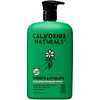 Key Ingredients
Benefits
Concerns
Ingredients Side-by-side
Water
Skin ConditioningCocamidopropyl Hydroxysultaine
Cleansing
Sodium Methyl 2-Sulfolaurate
CleansingSodium Lauroyl Methyl Isethionate
CleansingGlycerin
Humectant


Sclerocarya Birrea Seed Oil
Humectant

Psidium Guajava Seed Oil
Emollient
Astrocaryum Murumuru Seed Butter
Emollient
Hydrolyzed Rice Protein
Skin ConditioningArgania Spinosa Kernel Oil
Emollient


Olea Europaea Fruit Oil
Masking
Althaea Officinalis Root Extract
Skin Conditioning
Hydrolyzed Barley Protein
Skin ConditioningPanthenol
Skin Conditioning
Sodium Hyaluronate
Humectant

Potassium Sorbate
Preservative
Sodium Benzoate
Masking
Ethylhexylglycerin
Skin ConditioningDisodium 2-Sulfolaurate
CleansingAllantoin
Skin Conditioning
Guar Hydroxypropyltrimonium Chloride
Skin ConditioningChlorophyllin-Copper Complex
Antioxidant
Lactic Acid
Buffering





Parfum
Masking
Water, Cocamidopropyl Hydroxysultaine, Sodium Methyl 2-Sulfolaurate, Sodium Lauroyl Methyl Isethionate, Glycerin, Sclerocarya Birrea Seed Oil, Psidium Guajava Seed Oil, Astrocaryum Murumuru Seed Butter, Hydrolyzed Rice Protein, Argania Spinosa Kernel Oil, Olea Europaea Fruit Oil, Althaea Officinalis Root Extract, Hydrolyzed Barley Protein, Panthenol, Sodium Hyaluronate, Potassium Sorbate, Sodium Benzoate, Ethylhexylglycerin, Disodium 2-Sulfolaurate, Allantoin, Guar Hydroxypropyltrimonium Chloride, Chlorophyllin-Copper Complex, Lactic Acid, Parfum







Reviews
Ingredients Explained
These ingredients are found in both products.
Ingredients higher up in an ingredient list are typically present in a larger amount.
You may know this ingredient as argan oil. It has emollient and skin conditioning properties that help soften skin and reinforce the lipid barrier.
The fatty acid profile of argan oil is roughly 45-55% oleic acid, 28-36% linoleic acid, 10-15% palmitic acid, and 5-7% stearic acid. It also contains vitamin E, sterols, squalene, and polyphenols like ferulic acid.
Two clinical studies in postmenopausal women found that applying argan oil for 60 days significantly improved skin elasticity and moisturization (reduced transepidermal water loss and increased epidermal water content).
Since it is high in oleic and linoleic acid, this ingredient may not be fungal acne safe. Both of these fall in the C11-C24 range that Malassezia yeast can metabolize.
Learn more about Argania Spinosa Kernel OilGlycerin (or glycerol) is a compound naturally found in your skin. It's a powerhouse humectant that pulls water into the stratum corneum.
Topically, glycerin does several things at once:
Your skin makes glycerin on its own (mostly from sebaceous oil breakdown) and shuttles it to your outermost layer of skin, or your epidermis, via aquaporin-3.
Aquaporin-3 is a transporter that is essential for normal skin hydration, elasticity, and repair. Interestingly, mice lacking in AQP3 have dry and less elastic skin that can be fully corrected with glycerin.
This ingredient is non-irritating, plays well with almost every ingredient, and works across all skin types. Typical use is anywhere between 3-10% but can go up to 79% in some leave-on products.
Just know very high concentrations (>40%) can feel tacky in low humidity.
Glycerin is the name for this ingredient in American English. British English uses Glycerol/Glycerine.
Learn more about GlycerinWater. It's the most common cosmetic ingredient of all. You'll usually see it at the top of ingredient lists, meaning that it makes up the largest part of the product.
So why is it so popular? Water most often acts as a solvent - this means that it helps dissolve other ingredients into the formulation.
You'll also recognize water as that liquid we all need to stay alive. If you see this, drink a glass of water. Remember to stay hydrated!
Learn more about Water
