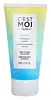
This barrier-repair moisturizer is formulated around Prunus Amygdalus Dulcis Oil and Butyrospermum Parkii Butter to strengthen the skin barrier and hydrate skin.
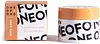
This wash off mask is made with Kaolin and Magnesium Ascorbyl Phosphate for a rinse-off brightening boost.

What's inside
What's inside
 Key Ingredients
Benefits
Concerns
Ingredients Side-by-side
Water
Skin ConditioningGlycerin
Humectant


Prunus Amygdalus Dulcis Oil
Skin Conditioning




Cetearyl Alcohol
Emollient


Butyrospermum Parkii Butter
Skin Conditioning
Leuconostoc/Radish Root Ferment Filtrate
Antimicrobial
Propanediol
Solvent
Cera Alba
Emollient
Rosa Centifolia Flower Water
Skin ConditioningCetearyl Glucoside
Emulsifying
Cetyl Palmitate
Emollient
Aloe Barbadensis Leaf Juice
Skin Conditioning

Xanthan Gum
EmulsifyingSodium Phytate
ChelatingHelianthus Annuus Seed Oil
Emollient
Oryza Sativa Extract
Absorbent

Tocopherol
Antioxidant


Actinidia Chinensis Fruit Extract
EmollientOctyldodecyl Myristate
EmollientFragaria Vesca Fruit Extract
AstringentCalendula Officinalis Flower Extract
Masking
Zea Mays Starch
Absorbent
Pyrus Malus Fruit Extract
Skin Conditioning
Sodium Benzoate
Masking
Potassium Sorbate
Preservative
Citric Acid
Buffering
Sodium Levulinate
Skin ConditioningWater, Glycerin, Prunus Amygdalus Dulcis Oil, Cetearyl Alcohol, Butyrospermum Parkii Butter, Leuconostoc/Radish Root Ferment Filtrate, Propanediol, Cera Alba, Rosa Centifolia Flower Water, Cetearyl Glucoside, Cetyl Palmitate, Aloe Barbadensis Leaf Juice, Xanthan Gum, Sodium Phytate, Helianthus Annuus Seed Oil, Oryza Sativa Extract, Tocopherol, Actinidia Chinensis Fruit Extract, Octyldodecyl Myristate, Fragaria Vesca Fruit Extract, Calendula Officinalis Flower Extract, Zea Mays Starch, Pyrus Malus Fruit Extract, Sodium Benzoate, Potassium Sorbate, Citric Acid, Sodium Levulinate
Water
Skin ConditioningKaolin
Abrasive


Sclerotium Gum
Emulsion StabilisingSynthetic Fluorphlogopite
Glycerin
Humectant
Aloe Barbadensis Leaf Juice
Skin Conditioning
Helianthus Annuus Seed Oil
Emollient
Curcuma Longa Callus Extract
Skin ProtectingAnanas Sativus Fruit Extract
Skin ConditioningMagnesium Ascorbyl Phosphate
Antioxidant

Ethylhexylglycerin
Skin ConditioningAllantoin
Skin Conditioning
Tetrasodium Glutamate Diacetate
ChelatingSodium Hyaluronate
Humectant
Cyclodextrin
AbsorbentCitric Acid
Buffering
Phenoxyethanol
Preservative
Tin Oxide
Abrasive
CI 77491
Cosmetic ColorantCI 77891
Cosmetic ColorantWater, Kaolin, Sclerotium Gum, Synthetic Fluorphlogopite, Glycerin, Aloe Barbadensis Leaf Juice, Helianthus Annuus Seed Oil, Curcuma Longa Callus Extract, Ananas Sativus Fruit Extract, Magnesium Ascorbyl Phosphate, Ethylhexylglycerin, Allantoin, Tetrasodium Glutamate Diacetate, Sodium Hyaluronate, Cyclodextrin, Citric Acid, Phenoxyethanol, Tin Oxide, CI 77491, CI 77891
Ingredients Explained
These ingredients are found in both products.
Ingredients higher up in an ingredient list are typically present in a larger amount.
Aloe Barbadensis Leaf Juice is the filtered, stabilized liquid pressed from the inner gel of the aloe vera leaf.
In cosmetics, it shows up as either soothing active or a water-replacement base. It is roughly 98-99% water and the last 1-2% is an interesting mix of polysaccharides, amino acids, vitamins, minerals, and enzymes.
The polysaccharides do most of the work: they bind water at the skin surface for a light, non-greasy hydration boost. And one of the polysaccharides, glycomannan, is linked to fibroblast stimulation + collagen synthesis. This is also why aloe has such a long track record in wound and burn healing.
This ingredient is also calming with anti-inflammatory and mild antimicrobial activity, making it a great pick for sensitive, irritated, or post-sun skin.
Realistic expectations matter though; the solid evidence is mostly limited to hydration, soothing, and wound support. Deeper claims about anti-aging or sun protection are not well backed, and science reviews note it does not prevent radiation-induced skin injury.
Because it plays well with almost everything, it's commonly used as a base alongside other actives like niacinamide or vitamin C.
Typical usage concentrations range from 0.5% (where hydration benefits already show up) all the way to 90%+ (where it replaces water as the main base).
The safety for this ingredient is well-establish as well. Overall, this is a great supporting ingredient for those who want a boost in hydration.
Learn more about Aloe Barbadensis Leaf JuiceCitric Acid is an alpha hydroxy acid (AHA) naturally found in citrus fruits like oranges, lemons, and limes.
Like other AHAs, citric acid can exfoliate skin by breaking down the bonds that hold dead skin cells together. This helps reveal smoother and brighter skin underneath.
However, this exfoliating effect only happens at high concentrations (20%) which can be hard to find in cosmetic products.
Due to this, citric acid is usually included in small amounts as a pH adjuster. This helps keep products slightly more acidic and compatible with skin's natural pH.
In skincare formulas, citric acid can:
While it can provide some skin benefits, research shows lactic acid and glycolic acid are generally more effective and less irritating exfoliants.
Most citric acid used in skincare today is made by fermenting sugars (usually from molasses). This synthetic version is identical to the natural citrus form but easier to stabilize and use in formulations.
Rosacea skin has a lower threshold for acids generally, with 62.5% of rosacea subjects in one study reacting to lactic acid in a sting test. This is why we mark citric acid as a potential rosacea trigger.
However, this ingredient shows up as a pH adjuster or chelator at roughly 0.1-1% in many products. These low levels are unlikely to be an issue for rosacea skin and becomes a potential trigger at exfoliating concentrations (20%). Because everybody's skin is unique, we recommend a patch test if you are unsure.
Learn more about Citric AcidGlycerin (or glycerol) is a compound naturally found in your skin. It's a powerhouse humectant that pulls water into the stratum corneum.
Topically, glycerin does several things at once:
Your skin makes glycerin on its own (mostly from sebaceous oil breakdown) and shuttles it to your outermost layer of skin, or your epidermis, via aquaporin-3.
Aquaporin-3 is a transporter that is essential for normal skin hydration, elasticity, and repair. Interestingly, mice lacking in AQP3 have dry and less elastic skin that can be fully corrected with glycerin.
This ingredient is non-irritating, plays well with almost every ingredient, and works across all skin types. Typical use is anywhere between 3-10% but can go up to 79% in some leave-on products.
Just know very high concentrations (>40%) can feel tacky in low humidity.
Glycerin is the name for this ingredient in American English. British English uses Glycerol/Glycerine.
Learn more about GlycerinHelianthus Annuus Seed Oil is a plant oil derived from the seeds of a sunflower.
It is rich in fatty acids, primarily linoleic acid and oleic acid. This gives it emollient and skin conditioning properties.
The reason this ingredient is so effective is because it forms a thin film on the skin that reduces transepidermal water loss (TEWL) while supplying linoleic acid to the stratum corneum to improve barrier strength.
The high linoleic acid content is particularly noteworthy for acne-prone skin.
Research suggests that acne-prone skin tends to be deficient in linoleic acid in sebum. Topical application may help replenish this to support a healthier follicular environment and less comedone-promoting sebum.
One randomized study found sunflower seed oil preserved skin barrier integrity in adult volunteers with and without atopic dermatitis (outperforming olive oil).
This ingredient is well-studied, gentle, and an effective emollient suitable for most skin types.
On fungal acne: This ingredient may not be Fungal acne (Malassezia folliculitis) safe. This is because it contains fatty acids with carbon chain lengths in the C11-C24 range.
Learn more about Helianthus Annuus Seed OilWater. It's the most common cosmetic ingredient of all. You'll usually see it at the top of ingredient lists, meaning that it makes up the largest part of the product.
So why is it so popular? Water most often acts as a solvent - this means that it helps dissolve other ingredients into the formulation.
You'll also recognize water as that liquid we all need to stay alive. If you see this, drink a glass of water. Remember to stay hydrated!
Learn more about Water

