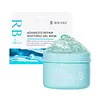
This wash off mask is made with Glycyrrhiza Glabra Root Extract and Niacinamide for a rinse-off calming boost.

What's inside
What's inside
 Key Ingredients
Benefits
Concerns
Ingredients Side-by-side
Water
Skin ConditioningGlycerin
Humectant


Glycyrrhiza Glabra Root Extract
Bleaching



Niacinamide
Smoothing





Inulin
Skin Conditioning
Yogurt Powder
Carbomer
Emulsion StabilisingBiosaccharide Gum-1
Humectant
Boswellia Serrata Gum
Masking
Propanediol
Solvent
Butylene Glycol
Humectant
Propylene Glycol
Humectant

Quartz
Abrasive
Panthenol
Skin Conditioning
Menthyl Lactate
Masking
Triethanolamine
BufferingPentylene Glycol
Skin Conditioning
Caprylyl Glycol
Emollient
Decylene Glycol
Skin ConditioningWater
Skin ConditioningGlycerin
Humectant
Propanediol
Solvent
Butylene Glycol
Humectant
Pentylene Glycol
Skin Conditioning
Squalane
Emollient
Carbomer
Emulsion StabilisingLonicera Japonica Flower Extract
Skin ConditioningHydroxypropyl Starch Phosphate
Benzyl Alcohol
Perfuming




Hydrolyzed Jojoba Esters
Skin Conditioning
Lonicera Caprifolium Flower Extract
Perfuming
Alcohol Denat.
Antimicrobial
Agave Tequilana Leaf Extract
AstringentBisabolol
Antioxidant
Allantoin
Skin Conditioning
Sodium Gluconate
ChelatingCaprylhydroxamic Acid
ChelatingTotarol
Antioxidant
Sodium Hyaluronate
Humectant
Mirabilis Jalapa Flower/Leaf/Stem Extract
Skin ConditioningPhenethyl Alcohol
MaskingCaprylyl Glycol
Emollient
Potassium Sorbate
Preservative
Beta-Glucan
Skin Conditioning
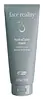
Water, Glycerin, Propanediol, Butylene Glycol, Pentylene Glycol, Squalane, Carbomer, Lonicera Japonica Flower Extract, Hydroxypropyl Starch Phosphate, Benzyl Alcohol, Hydrolyzed Jojoba Esters, Lonicera Caprifolium Flower Extract, Alcohol Denat., Agave Tequilana Leaf Extract, Bisabolol, Allantoin, Sodium Gluconate, Caprylhydroxamic Acid, Totarol, Sodium Hyaluronate, Mirabilis Jalapa Flower/Leaf/Stem Extract, Phenethyl Alcohol, Caprylyl Glycol, Potassium Sorbate, Beta-Glucan
Ingredients Explained
These ingredients are found in both products.
Ingredients higher up in an ingredient list are typically present in a larger amount.
Butylene Glycol (or BG) is used within cosmetic products for a few different reasons:
Overall, Butylene Glycol is a safe and well-rounded ingredient that works well with other ingredients.
Though this ingredient works well with most skin types, some people with sensitive skin may experience a reaction such as allergic rashes, closed comedones, or itchiness.
Learn more about Butylene GlycolCaprylyl Glycol is a humectant, skin conditioner, emollient, and preservative booster derived from either caprylic acid or synthetically created.
Typical use levels vary from 0.3-1% as a preservative booster and go up to 2% to condition skin.
Because it is not a free-fatty acid, this ingredient is fungal acne safe (there's nothing for Malassezia to feed on).
Learn more about Caprylyl GlycolCarbomer is a synthetic thickening and gelling agent. It's basically the ingredient that gives a lot of serums, gels, creams, and sunscreens their smooth, non-sticky texture.
Although legally permitted at very high levels, carbomers are normally used at concentrations below 1%.
It also needs to be neutralized to actually thicken, and because it is a large molecule, it doesn't really penetrate the skin barrier.
Allergy-wise, the risk is very low. Clinical studies show carbomers have low potential for skin irritation/sensitization even at concentrations up to 100%.
A 2024 UK study patch-tested 1,302 patients and found true allergy to the parent group of carbomer to be rare with no confirmed relevant reactions.
Learn more about CarbomerGlycerin (or glycerol) is a compound naturally found in your skin. It's a powerhouse humectant that pulls water into the stratum corneum.
Topically, glycerin does several things at once:
Your skin makes glycerin on its own (mostly from sebaceous oil breakdown) and shuttles it to your outermost layer of skin, or your epidermis, via aquaporin-3.
Aquaporin-3 is a transporter that is essential for normal skin hydration, elasticity, and repair. Interestingly, mice lacking in AQP3 have dry and less elastic skin that can be fully corrected with glycerin.
This ingredient is non-irritating, plays well with almost every ingredient, and works across all skin types. Typical use is anywhere between 3-10% but can go up to 79% in some leave-on products.
Just know very high concentrations (>40%) can feel tacky in low humidity.
Glycerin is the name for this ingredient in American English. British English uses Glycerol/Glycerine.
Learn more about GlycerinPentylene Glycol (1,2-pentanediol) is a multitasking little diol with three main roles in a formula:
Research on alkanediols (the family pentylene glycol belongs to) show they work by disrupting microbial cell membranes. This disruption helps the primary preservative system in a product work more effectively at lower doses.
On the safety side, the Cosmetic Ingredient Review Expert Panel has concluded this ingredient to be safe as used in current cosmetic practices + concentrations.
Typical use levels in a formula run about 1-5%.
Learn more about Pentylene GlycolPropanediol is an all-star ingredient. It softens, hydrates, and smooths the skin.
It’s often used to:
Propanediol is not likely to cause sensitivity and considered safe to use. It is derived from corn or petroleum with a clear color and no scent.
Learn more about PropanediolWater. It's the most common cosmetic ingredient of all. You'll usually see it at the top of ingredient lists, meaning that it makes up the largest part of the product.
So why is it so popular? Water most often acts as a solvent - this means that it helps dissolve other ingredients into the formulation.
You'll also recognize water as that liquid we all need to stay alive. If you see this, drink a glass of water. Remember to stay hydrated!
Learn more about Water

