This mild cream cleanser is made to cleanse without leaving your skin tight or dry.
This oil-based cleanser is made to cleanse while calming and soothing your skin.

What's inside
What's inside
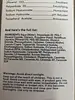 Key Ingredients
Benefits
Concerns
Ingredients Side-by-side
Water
Skin ConditioningPolysorbate 20
Emulsifying

PEG-7 Glyceryl Cocoate
Emulsifying


Glycerin
Humectant


Propylene Glycol
Humectant
Paraffinum Liquidum
Emollient


PEG-100 Stearate
Surfactant
Glyceryl Stearate
Emollient
Phenoxyethanol
Preservative
Carbomer
Emulsion StabilisingCetearyl Alcohol
Emollient

Caprylic/Capric Triglyceride
Masking
Tocopheryl Acetate
Antioxidant


Ethylhexylglycerin
Skin ConditioningSodium Hydroxide
BufferingO-Cymen-5-Ol
Antimicrobial
Disodium EDTA
Octyldodecanol
Emollient
Hydrogenated Lecithin
Emulsifying
Sodium Hyaluronate
Humectant


Ceramide NP
Skin Conditioning

Polyglyceryl-10 Stearate
Skin Conditioning
1,2-Hexanediol
Skin Conditioning
Sucrose Stearate
EmollientPhytosphingosine
Skin Conditioning
Cholesterol
Emollient
Phospholipids
Skin Conditioning
Ceramide Ns
Skin Conditioning
Ceramide Ng
Skin Conditioning
Ceramide As
Skin Conditioning
Ceramide AP
Skin Conditioning
Ceramide EOP
Skin Conditioning
Water, Polysorbate 20, PEG-7 Glyceryl Cocoate, Glycerin, Propylene Glycol, Paraffinum Liquidum, PEG-100 Stearate, Glyceryl Stearate, Phenoxyethanol, Carbomer, Cetearyl Alcohol, Caprylic/Capric Triglyceride, Tocopheryl Acetate, Ethylhexylglycerin, Sodium Hydroxide, O-Cymen-5-Ol, Disodium EDTA, Octyldodecanol, Hydrogenated Lecithin, Sodium Hyaluronate, Ceramide NP, Polyglyceryl-10 Stearate, 1,2-Hexanediol, Sucrose Stearate, Phytosphingosine, Cholesterol, Phospholipids, Ceramide Ns, Ceramide Ng, Ceramide As, Ceramide AP, Ceramide EOP


Alternatives
Ingredients Explained
These ingredients are found in both products.
Ingredients higher up in an ingredient list are typically present in a larger amount.
Paraffinum Liquidum is a highly-refined cosmetic-grade mineral oil. It is also known as liquid paraffin.
Despite its controversial reputation, the science is pretty clear: it's one of the most well-studied and effective moisturizing ingredients out there.
As an occlusive, it forms a protective layer on the skin that locks in moisture and prevents transepidermal water loss (TEWL). This makes it especially great for compromised skin barriers.
The "it clogs your pores" myth has been around for decades; a study found that industrial-grade mineral oil may be comedogenic but cosmetic-grade mineral oil is not (these two are very, very different).
A 2017 review concluded that cosmetic use of mineral oils and waxes does not present a risk to consumers due to absorption.
Mineral oil got a bad rap from the old rabbit ear studies. When tested on actual human skin, cosmetic-grade mineral oil showed no comedogenic activity. The rating of 0 is a correction of outdated science.
Mineral oil is an inert substance with no fatty acids so there's nothing to feed Malassezia. This ingredient is fungal acne safe.
Learn more about Paraffinum Liquidum


