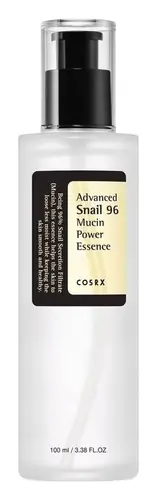
bondi sands Fragrance Free Sunscreen Daily Face Lotion SPF 50+ Versus Sunsense Moisturising Face SPF 50+
This chemical sunscreen covers most of the UV range, lighter on the deep UVA that drives aging.
This chemical sunscreen covers the full UV range and blocks ~98% of UVB at SPF 50.

What's inside
What's inside
 Key Ingredients
Benefits
Concerns
Ingredients Side-by-side
Butyl Methoxydibenzoylmethane 3%
UV Absorber
Homosalate 10%
Skin Conditioning
Ethylhexyl Salicylate 5%
UV Absorber
Octocrylene 8%
UV Absorber

Water
Skin ConditioningCera Alba
Emollient




Aloe Barbadensis Leaf Juice
Skin Conditioning

Isopropyl Palmitate
Emollient
Cetearyl Alcohol
Emollient

Cyclopentasiloxane
Emollient
Cyclohexasiloxane
Emollient
Ceteareth-20
Cleansing
Hydroxyacetophenone
Antioxidant
Carbomer
Emulsion StabilisingBenzyl Alcohol
Perfuming




Saccharide Isomerate
Humectant
Phenoxyethanol
Preservative
Sodium Stearoyl Glutamate
CleansingTriethanolamine
BufferingTocopheryl Acetate
Antioxidant

Sodium Chloride
MaskingCitric Acid
Buffering
Butyl Methoxydibenzoylmethane 3%, Homosalate 10%, Ethylhexyl Salicylate 5%, Octocrylene 8%, Water, Cera Alba, Aloe Barbadensis Leaf Juice, Isopropyl Palmitate, Cetearyl Alcohol, Cyclopentasiloxane, Cyclohexasiloxane, Ceteareth-20, Hydroxyacetophenone, Carbomer, Benzyl Alcohol, Saccharide Isomerate, Phenoxyethanol, Sodium Stearoyl Glutamate, Triethanolamine, Tocopheryl Acetate, Sodium Chloride, Citric Acid
Bis-Ethylhexyloxyphenol Methoxyphenyl Triazine
UV Absorber
Methylene Bis-Benzotriazolyl Tetramethylbutylphenol
UV Filter
Ethylhexyl Salicylate
UV Absorber
C12-15 Alkyl Benzoate
AntimicrobialMagnesium Aluminum Silicate
Absorbent
Carbomer
Emulsion StabilisingCitric Acid
Buffering
Decyl Glucoside
Cleansing
Diisopropyl Adipate
EmollientGlycerin
Humectant
Glyceryl Stearate
Emollient
Isopropyl Palmitate
Emollient
Niacinamide
Smoothing





PEG-100 Stearate
Surfactant
Potassium Cetyl Phosphate
EmulsifyingPropylene Glycol
Humectant
Water
Skin ConditioningSodium
Methylparaben
Preservative
Propylparaben
Preservative
Xanthan Gum
EmulsifyingBis-Ethylhexyloxyphenol Methoxyphenyl Triazine, Methylene Bis-Benzotriazolyl Tetramethylbutylphenol, Ethylhexyl Salicylate, C12-15 Alkyl Benzoate, Magnesium Aluminum Silicate, Carbomer, Citric Acid, Decyl Glucoside, Diisopropyl Adipate, Glycerin, Glyceryl Stearate, Isopropyl Palmitate, Niacinamide, PEG-100 Stearate, Potassium Cetyl Phosphate, Propylene Glycol, Water, Sodium, Methylparaben, Propylparaben, Xanthan Gum
Reviews
Ingredients Explained
These ingredients are found in both products.
Ingredients higher up in an ingredient list are typically present in a larger amount.
Carbomer is a synthetic thickening and gelling agent. It's basically the ingredient that gives a lot of serums, gels, creams, and sunscreens their smooth, non-sticky texture.
Although legally permitted at very high levels, carbomers are normally used at concentrations below 1%.
It also needs to be neutralized to actually thicken, and because it is a large molecule, it doesn't really penetrate the skin barrier.
Allergy-wise, the risk is very low. Clinical studies show carbomers have low potential for skin irritation/sensitization even at concentrations up to 100%.
A 2024 UK study patch-tested 1,302 patients and found true allergy to the parent group of carbomer to be rare with no confirmed relevant reactions.
Learn more about CarbomerCitric Acid is an alpha hydroxy acid (AHA) naturally found in citrus fruits like oranges, lemons, and limes.
Like other AHAs, citric acid can exfoliate skin by breaking down the bonds that hold dead skin cells together. This helps reveal smoother and brighter skin underneath.
However, this exfoliating effect only happens at high concentrations (20%) which can be hard to find in cosmetic products.
Due to this, citric acid is usually included in small amounts as a pH adjuster. This helps keep products slightly more acidic and compatible with skin's natural pH.
In skincare formulas, citric acid can:
While it can provide some skin benefits, research shows lactic acid and glycolic acid are generally more effective and less irritating exfoliants.
Most citric acid used in skincare today is made by fermenting sugars (usually from molasses). This synthetic version is identical to the natural citrus form but easier to stabilize and use in formulations.
Rosacea skin has a lower threshold for acids generally, with 62.5% of rosacea subjects in one study reacting to lactic acid in a sting test. This is why we mark citric acid as a potential rosacea trigger.
However, this ingredient shows up as a pH adjuster or chelator at roughly 0.1-1% in many products. These low levels are unlikely to be an issue for rosacea skin and becomes a potential trigger at exfoliating concentrations (20%). Because everybody's skin is unique, we recommend a patch test if you are unsure.
Learn more about Citric AcidEthylhexyl Salicylate (also called Octisalate or Octyl Salicylate) is an oil-soluble organic UV filter that's been used in sunscreen since the 1950's.
It absorbs UVB light in the 280-320 nm range with a peak absorbance around 306 nm.
You'll often see it paired with other UV filters to boost overall SPF because octisalate is a fairly week filter on its own.
The reason you'll see it so often is because it can help solubilize and stabilize the trickier filters like oxybenzone and avobenzone.
Unlike these filters, octisalate has pretty good photostability and doesn't create skin-damaging free radicals when exposed to sunlight.
The fatty-alcohol part of the molecule also gives it a light, emollient feel so it doubles as a nice texture enhancer.
Usage levels vary around the world:
Safety-wise, this ingredient has a pretty reassuring track record. The EU's Scientific Committee on Consumer Products (SCCP) found very low skin penetration in human skin tests and negative results for irritation, phototoxicity, and photoallergy.
The real-world allergy risk is pretty low too; a 2012 European study of 1,031 people recorded only 2 reactions to it (a rate of 0.19%).
You might have seen scary headlines about sunscreen getting into your blood.
In 2019, the FDA found that several chemical filters can absorb through the skin and show up in the bloodstream at small but measurable levels.
Here's the important part: these tiny levels are just a cutoff the FDA uses to decide which ingredients need more testing and doesn't mean anything harmful was found.
The researchers were clear that the results are no reason to stop wearing sunscreen.
Learn more about Ethylhexyl SalicylateIsopropyl Palmitate is a lightweight emollient made by combining isopropyl alcohol and palmitic acid.
It is an emollient that leaves skin feeling smooth and silky without leaving a greasy feel.
Typical usage concentrations range from 1-5%.
Human testing shows it's non-irritating and non-sensitizing, and the EU Scientific Committee on Consumer Safety (SCCS) has cleared it at very high levels (79% in leave-on products).
The one thing worth knowing about its comedogenic score of 3-4 is to keep it in perspective: these ratings come from old rabbit-ear tests using 100% of pure ingredient and doesn't reflect how it behaves at low levels in a finished product.
Because it is an ester of palmitic acid (C16), it falls into the range that the Malassezia yeast can feed on and is considered not fungal acne safe.
Learn more about Isopropyl PalmitateWater. It's the most common cosmetic ingredient of all. You'll usually see it at the top of ingredient lists, meaning that it makes up the largest part of the product.
So why is it so popular? Water most often acts as a solvent - this means that it helps dissolve other ingredients into the formulation.
You'll also recognize water as that liquid we all need to stay alive. If you see this, drink a glass of water. Remember to stay hydrated!
Learn more about Water