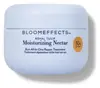
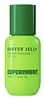
Bloom Effects Royal Tulip Moisturizing Nectar Versus Experiment Beauty Buffer Jelly Barrier Boosting Oil Gel
This hydrating treatment is formulated around Panthenol and 3-O-Ethyl Ascorbic Acid to hydrate skin and strengthen the skin barrier.
This barrier-repair oil is formulated around Simmondsia Chinensis Seed Oil and Squalane to strengthen the skin barrier and hydrate skin.


What's inside
What's inside
 Key Ingredients
Benefits
Concerns
Ingredients Side-by-side
Glycerin
Humectant


Propanediol
Solvent
Caprylic/Capric Triglyceride
Masking
Water
Skin ConditioningSodium Acrylates Copolymer
Hydrogenated Polydecene
EmollientPanthenol
Skin Conditioning

Phospholipids
Skin Conditioning
Helianthus Annuus Seed Oil
Emollient


Polyglyceryl-10 Stearate
Skin Conditioning
Leuconostoc/Radish Root Ferment Filtrate
Antimicrobial
3-O-Ethyl Ascorbic Acid
Skin Conditioning



Isosorbide Dicaprylate
Skin ConditioningBenzyl Alcohol
Perfuming






Cocodimonium Hydroxypropyl Silk Amino Acids
Skin ConditioningMarrubium Vulgare Meristem Cell Culture
Skin ProtectingButylene Glycol
Humectant
Caprylhydroxamic Acid
ChelatingHydrolyzed Verbascum Thapsus Flower
Antioxidant
Tulipa Hybrid Flower Extract
Skin ConditioningSodium Gluconate
ChelatingSodium Lactate
Buffering
Rumex Occidentalis Extract
Skin ConditioningNonapeptide-1
Skin Conditioning
Dextran
Xanthan Gum
EmulsifyingSodium Hyaluronate
Humectant

Phenethyl Alcohol
MaskingPotassium Sorbate
Preservative
Caprylyl Glycol
Emollient
Tocopherol
Antioxidant

Dimethylmethoxy Chromanol
Antioxidant
Citric Acid
Buffering
Hamamelis Virginiana Water
Astringent
Sodium Hydroxide
BufferingGlycerin, Propanediol, Caprylic/Capric Triglyceride, Water, Sodium Acrylates Copolymer, Hydrogenated Polydecene, Panthenol, Phospholipids, Helianthus Annuus Seed Oil, Polyglyceryl-10 Stearate, Leuconostoc/Radish Root Ferment Filtrate, 3-O-Ethyl Ascorbic Acid, Isosorbide Dicaprylate, Benzyl Alcohol, Cocodimonium Hydroxypropyl Silk Amino Acids, Marrubium Vulgare Meristem Cell Culture, Butylene Glycol, Caprylhydroxamic Acid, Hydrolyzed Verbascum Thapsus Flower, Tulipa Hybrid Flower Extract, Sodium Gluconate, Sodium Lactate, Rumex Occidentalis Extract, Nonapeptide-1, Dextran, Xanthan Gum, Sodium Hyaluronate, Phenethyl Alcohol, Potassium Sorbate, Caprylyl Glycol, Tocopherol, Dimethylmethoxy Chromanol, Citric Acid, Hamamelis Virginiana Water, Sodium Hydroxide
Carthamus Tinctorius Seed Oil
Masking
Simmondsia Chinensis Seed Oil
Emollient
Squalane
Emollient
C13-15 Alkane
SolventDextrin Palmitate/Ethylhexanoate
Emulsifying
Petrolatum
Emollient
Jojoba Esters
Emollient
Avena Sativa Kernel Oil
Skin Conditioning
Euphorbia Cerifera Wax
Tocopherol
Antioxidant
Panthenyl Triacetate
Ceramide NP
Skin Conditioning
Euterpe Oleracea Sterols
Skin ConditioningEthyl Linoleate
Emollient
Camellia Sinensis Leaf Wax
Naringenin
Skin ConditioningLinoleic Acid
Cleansing
Oleic Acid
Emollient
Linolenic Acid
Cleansing
Carthamus Tinctorius Seed Oil, Simmondsia Chinensis Seed Oil, Squalane, C13-15 Alkane, Dextrin Palmitate/Ethylhexanoate, Petrolatum, Jojoba Esters, Avena Sativa Kernel Oil, Euphorbia Cerifera Wax, Tocopherol, Panthenyl Triacetate, Ceramide NP, Euterpe Oleracea Sterols, Ethyl Linoleate, Camellia Sinensis Leaf Wax, Naringenin, Linoleic Acid, Oleic Acid, Linolenic Acid
Reviews
Ingredients Explained
These ingredients are found in both products.
Ingredients higher up in an ingredient list are typically present in a larger amount.
Tocopherol is a fat-soluble antioxidant known as Vitamin E.
You'll find this ingredient in the vast majority of skincare (for good reason). It works to neutralize free radicals, or unstable molecules generated by UV exposure, pollution, and other environmental stressors, before they can cause oxidative damage to your skin cells.
Topically applied tocopherol has been shown to protect against UV damage by ramping up the skin's own natural defense enzymes.
It also acts as a skin conditioning agent; some studies show that regular topical use can improve the skin's water-binding capacity over 2-4 weeks.
This ingredient is especially loved for being a team player. When combined with Vitamin C, the photoprotective effect of both ingredients roughly doubles and the combo also helps reduce UV-induced DNA damage.
This ingredient has some brightening potential but it's more of a prevention ingredient than spot-fader. Cell studies show it can slow down melanin production but it's worth noting that it's not the most powerful brightener out there.
In formulations, it also serves as a stabilizer that helps protect other oxidation-prone ingredients from degrading.
Concentrations usually range from 0.1-1% in most leave-on products.
Learn more about Tocopherol

